Elon Musk’s Vision Unveiled: The Terafab Project and the Future of Space Civilization
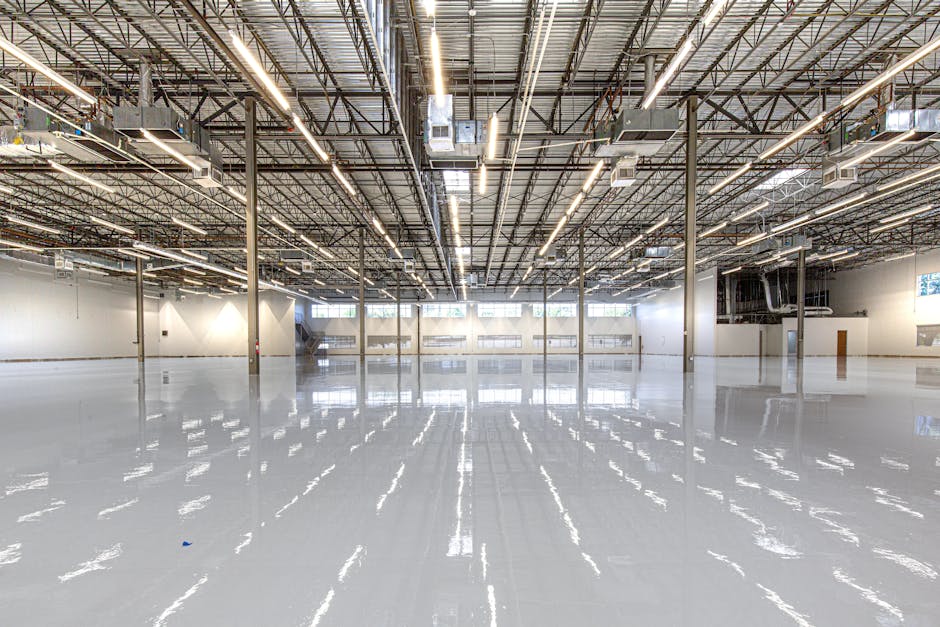
Elon Musk introduces the Terafab project, a chip manufacturing revolution aiming to scale AI compute and power, enabling humanity’s expansion into space.
Elon Musk has presented his vision to achieve the next leap in human civilization with the announcement of the "Terafab" project. This ambitious plan aims to revolutionize chip manufacturing to scale AI compute to unprecedented levels, ultimately laying the foundation for humanity's expansion into space.
Scaling Civilization: The Role of AI Compute and Space Energy
During his announcement, Musk outlined the fundamental problem facing current Earth-based energy and computational systems. While the sun produces an almost unimaginable amount of energy, Earth captures only a tiny fraction of it due to its physical size and atmospheric interference. According to Musk, civilization must look to space to fully harness solar energy and create highly scalable power systems.
The current annual output of AI compute is a mere 20 gigawatts worldwide, and Musk's “Terafab” project aims to bridge this gap. The goal is a leap to terawatt-scale AI compute, but the existing global chip manufacturing capacity can meet only 2% of this demand. This presents the necessity for an entirely new paradigm: a self-sufficient, cutting-edge chip manufacturing facility in Austin, Texas—dubbed the "Terafab."
Why Space Holds the Key
Musk argues that space offers enormous advantages for generating power and deploying AI systems:
- Constant Solar Energy: In space, solar panels can operate at full efficiency without day-night cycles, atmospheric attenuation, or seasonal variations.
- Less Infrastructure Required: Unlike terrestrial solar setups, space-based solar panels don’t need protective glass or robust framing.
- Scalability: As Musk notes, launching energy and compute systems into space becomes easier and more cost-effective over time, while expanding Earth-based power comes with land-use and social constraints.
What Is the Terafab?
The Terafab represents a groundbreaking new facility that will serve as the cornerstone of this venture. Located in Austin, Texas, it will have the unique capability to build logic and memory chipsets while also developing in-house lithography masks. Musk states that this approach will enable a recursive improvement loop, allowing rapid design iterations previously unattainable anywhere in the world.
Key Features of the Terafab:
- Integrated Chip Design: The facility will combine all necessary processes—design, testing, and manufacturing—under one roof.
- Rapid Iteration: A unique recursive design loop will accelerate innovation by quickly cycling through testing and improvement cycles.
- Advanced Physics Applications: Musk alludes to pushing the limits of current physics in computation, exploring unconventional methods to optimize efficiency.
These innovations make the Terafab not merely another chip manufacturing plant but a platform for experimentation and progress. It will support diverse applications, including terrestrial and space-grade chipsets.
Tesla, SpaceX, and XAI: A Collaborative Effort
The execution of this vision requires combining the expertise of Musk’s three major ventures—Tesla, SpaceX, and XAI. Each entity brings unique strengths to the table:
- Tesla: Known globally for its electric vehicles, Tesla is now scaling its humanoid robot production (Optimus) and its domestic solar energy systems. Musk projects that humanoid robot production will dwarf vehicle output, reaching between 1 billion and 10 billion units per year.
- SpaceX: The Starship program is pivotal in enabling large-scale payload delivery to space. Starship's V4 iteration will increase its payload capacity from 100 tons to 200 tons per launch, facilitating the transport of essential hardware like solar panels and AI compute systems.
- XAI: Though a newer addition, XAI has already constructed the first gigawatt-scale compute cluster. Its integration within SpaceX speeds development of AI systems that require massive computational resources.
Musk highlighted how these companies have defied skepticism in the past. From reusable rockets to Tesla vehicles’ meteoric rise, Musk believes this collaboration can achieve similar breakthroughs in AI compute and energy.
Comparative Achievements:
| Company | Key Achievement | Significance |
|---|---|---|
| Tesla | 2 million EVs produced annually | Leadership in clean transport |
| SpaceX | Over 500 rocket landings, Starship program | Revolutionized space logistics |
| XAI | Completed gigawatt-scale compute cluster | Pioneering AI infrastructure |
The Path to a Multi-Planetary Civilization
Musk envisions a future where becoming a multi-planetary species is not just science fiction but reality. Achieving this requires scaling civilizational power and computational output beyond Earth:
- Lunar Mining and Mass Drivers: Musk mooted the idea of using the moon's lower gravity to develop mass drivers capable of shipping hardware directly into space without rockets.
- Mars and Beyond: Cities on Mars, a self-sustaining lunar economy, and eventually journeys to other star systems are long-term goals.
- Abundance Through AI and Robotics: With advanced AI-driven robotics, Musk predicts that Earth’s economy could potentially scale a million times larger. In such a future, scarcity could disappear, offering “amazing abundance” for everyone.
Proposed Energy Hierarchy:
| Civilization Level | Energy Requirement | Status |
|---|---|---|
| Type 1 | Harnesses all planetary energy | Earth not yet Type 1 |
| Type 2 | Uses a star’s full energy output | Terafab aids progress |
| Type 3 | Taps galaxy-wide energy | Long-term ambition |
Challenges and Musk’s Confidence
The hurdles to realizing the Terafab vision are substantial, including:
- Chip Manufacturing Constraints: Current production rates fall far short of the demands for terawatt-scale compute.
- Energy Efficiency: Space-grade hardware requires unique design adjustments, such as resisting cosmic radiation and operating under extreme conditions.
- Scaling Infrastructure: Building an economy in space above a certain critical mass will require vast coordination and resource mobilization.
Yet, Musk remains confident. He foresees AI compute in space becoming cheaper than Earth-based alternatives within 2–3 years, a game-changer for global AI development.
Practical Insights for the Near Term
From this announcement, several actionable points emerge:
- Advanced Chip Design: The Terafab’s recursive loop could set a new standard for rapid iterative chip development.
- Sustainable Energy Goals: Space solar represents a viable answer to Earth’s growing energy needs.
- AI Growth Acceleration: Leveraging space capabilities could reduce global AI operational costs sooner than expected.
Musk's ultimate ambition remains clear: a civilization so advanced that journeys to the rings of Saturn—and perhaps beyond—become accessible to all.
Conclusion
The Terafab project marks a pivotal step in reimagining the boundaries of energy production, chip manufacturing, and computation. With contributions from Tesla, SpaceX, and XAI, this initiative seeks to lay the technological groundwork for a multi-planetary future. While immense challenges lie ahead, Elon Musk's track record suggests that this vision, however audacious, might just become reality.
Staff Writer
Nina writes about new car models, EV infrastructure, and transportation policy.
Comments
Loading comments…


