How the Zamboni Revolutionized Ice Maintenance
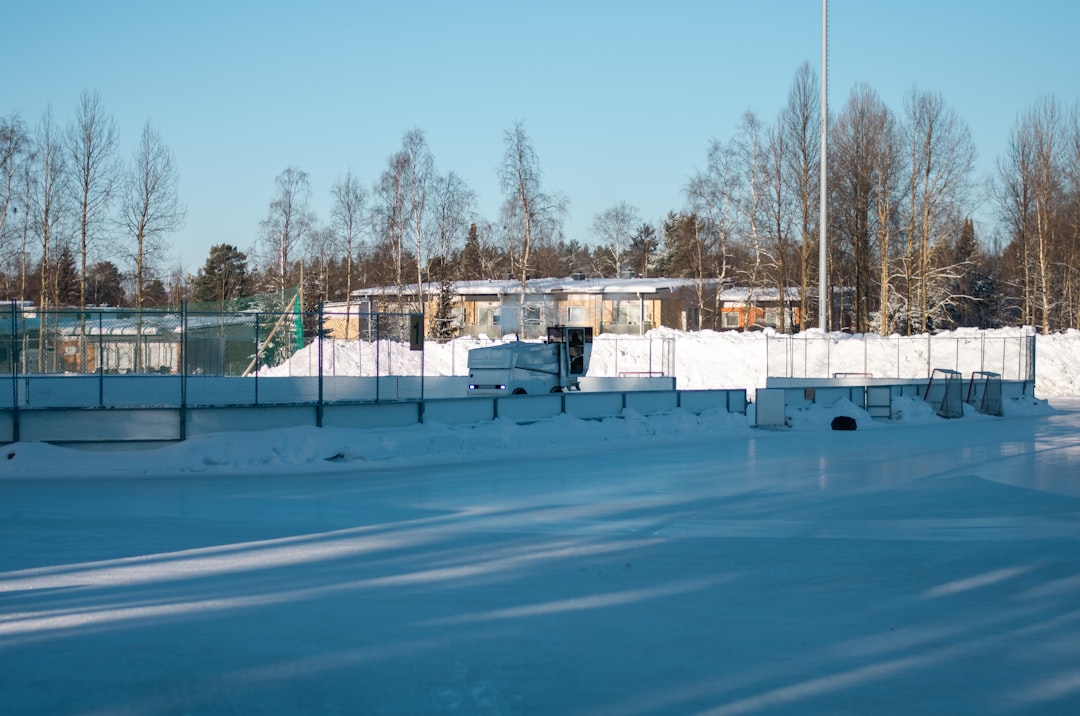
The Zamboni transformed ice rink maintenance, cutting time from hours to mere minutes. Here's an inside look at its history, mechanics, and modern iterations.
For many, the Zamboni is more than a machine—it's an icon synonymous with ice hockey and skating. Anyone who has been to an NHL game has likely marveled at the sight of the Zamboni methodically smoothing the ice during game intervals. But what makes this $150,000 machine tick, and how did it come to dominate rink maintenance worldwide?
The Origins of the Zamboni
While it may seem like the Zamboni hails from some snow-covered land, its origins are much more grounded—Frank and Lawrence Zamboni created the first ice-resurfacing machine in sunny Southern California. In 1940, the Zambonis opened Iceland, an ice rink in Los Angeles, and quickly confronted a problem: maintaining the ice in a usable condition was time-consuming and labor-intensive.
Early methods involved pulling a sled to shave the ice while workers shoveled away the shavings and poured water by hand to fill the surface. Recognizing the inefficiency, Frank Zamboni sought to streamline the process. By 1949, he unveiled the Model A ice resurfacer, a machine that performed every step of ice maintenance in one go. Using surplus Jeep parts, steel tubing, and wood, the Model A could scrape, collect, and resurface the ice, reducing the process time from an hour to mere minutes. The rest is history.
Why the Zamboni Works
At its core, the Zamboni is a marvel of engineering. Today’s machines still operate under the principles of the original Model A, albeit with modern refinements. Here's how it works:
-
Scraping the Ice: A sharp blade shaves the top layer of the ice, creating snow-like shavings.
-
Collecting the Snow: Horizontal and vertical augers scoop and transport the snow to an onboard collection tank.
-
Washing the Ice: Wash water is sprayed onto the ice to clean dirt and debris. This water is then vacuumed and filtered.
-
Resurfacing: Finally, a nozzle sprays clean, pressurized water to create a new, smooth surface. This water freezes quickly, leaving the ice both durable and level for skaters.
These steps are completed in a matter of minutes, allowing the Zamboni to maintain the ice surface multiple times during a game or event.
Modern Features
Modern Zambonis incorporate advanced technology to meet the high standards of professional and recreational rinks alike. For instance, the Zamboni at the Crypto.com Arena in Los Angeles includes a 2.4-liter liquid-cooled engine powered by propane, keeping the operation efficient and environmentally conscious. Optional add-ons, like tire washers, further enhance performance by reducing blemishes caused by tire residue.
The machine’s conditioner spans 77 inches and contains a horizontal auger at the base. Operators can fine-tune the cut depth using a blade adjustment wheel, ensuring consistent ice thickness. Some models even include integrated environmental monitoring systems. At the Crypto.com Arena, the team uses a Simco IQ Elite system to measure ice temperature at 91,000 points, ensuring optimal skating conditions.
A Day in the Life of a Zamboni Operator
Maintaining an NHL-grade rink is no small feat. Chris, a seasoned Zamboni operator at Crypto.com Arena, describes his job as a blend of passion and precision. On game days, his work begins as early as 4:00 or 5:00 a.m., walking the ice to check for blemishes. From there, Chris and his team edge, dry cut, and flood the ice, constantly building up its thickness and ensuring a flawless surface.
Regular maintenance continues throughout the day. Using two Zambonis, the team floods the ice every hour, maintaining consistency and keeping the ice game-ready. As Chris explains, ensuring the ice isn’t too cold is equally important—overly cold ice can become brittle, leading to cracking during intense gameplay.
Beyond the NHL: Zambonis Everywhere
Zambonis aren’t just for professional hockey arenas. The company designs a range of models for various applications, from community rinks to specialty models like the tiny "Edgar," which conditions the edges of the ice along the boards. This attention to detail ensures every corner of the rink meets player standards.
Special collaborations have also spawned custom Zamboni designs for brands and events. For example, some rinks showcase flashy designs like the Zamboni ZX-5, a machine that’s as much about aesthetics as functionality. Zamboni's enduring partnership with events and sponsors further solidifies its iconic status.
Why the Zamboni Matters
The Zamboni is more than a utilitarian machine—it’s an essential part of the ice sports ecosystem. Without it, maintaining the smooth, fast surfaces required by hockey players and figure skaters would be labor-intensive and inefficient. Its reliability and efficiency have made it indispensable, cutting down maintenance time from hours to just minutes during intermissions.
Conclusion
Few machines in the world hold such a symbolic place in both sports and engineering as the Zamboni. Born from one man's vision and the need to simplify a tedious process, the Zamboni has become a cultural icon, all while ensuring ice rinks maintain the highest standards of quality. Whether you’re a die-hard hockey fan or an occasional skater, the next time you see a Zamboni in action, you’ll know it’s not just smoothing ice—it’s preserving a legacy.
Staff Writer
Nina writes about new car models, EV infrastructure, and transportation policy.
Comments
Loading comments…


