Maine EV rebates return with updated income requirements
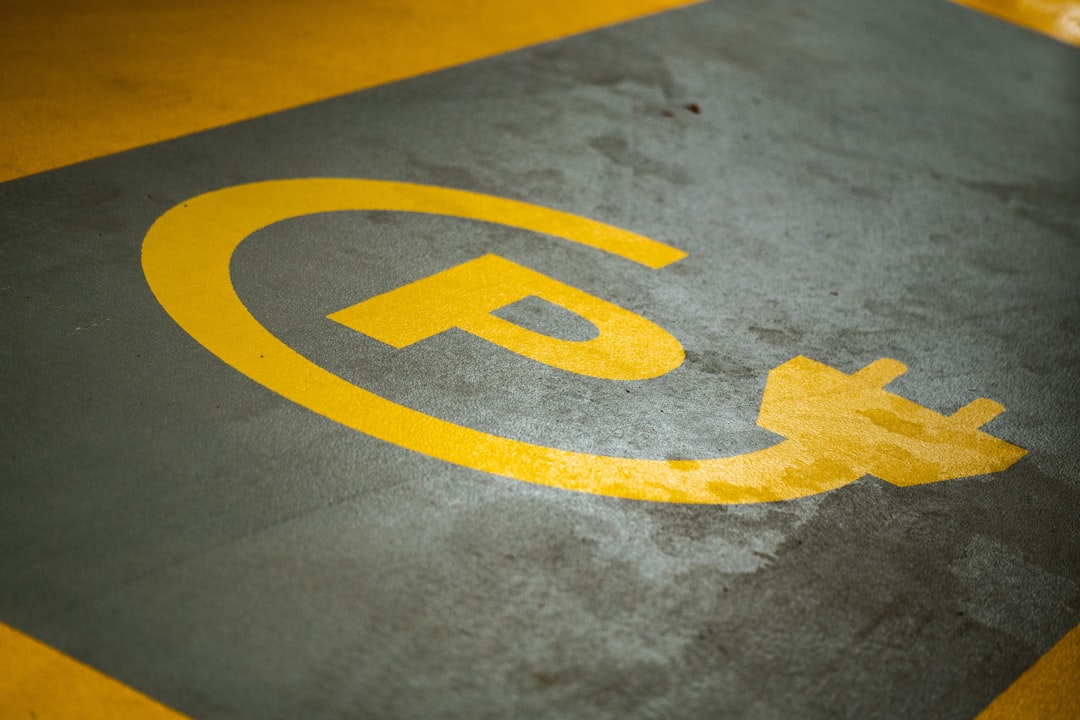
Efficiency Maine Trust reintroduces EV rebates with adjusted income guidelines, offering up to $8000 for low-income individuals. Learn who qualifies.
In a significant move to encourage the adoption of electric vehicles (EVs), the Efficiency Maine Trust has announced the return of its popular EV rebate program, with adjustments made to better address income disparities. The program, which had been put on pause in 2024, is now back with higher rebate amounts for low-income buyers and specific eligibility criteria for moderate-income households.
Larger rebates for low-income households
Individuals and families with particularly low incomes stand to benefit the most from the updated program. Efficiency Maine states that eligible participants falling into this category can receive an $8000 rebate on the purchase of a brand-new EV. For those considering used EVs, the rebate amounts to $4000. This adjustment is part of an effort to make EV ownership, often deemed prohibitive due to upfront costs, attainable for those in lower income brackets.
Rebates for moderate-income individuals and couples
The program doesn't only cater to low-income households. Those classified under the moderate income category can also claim significant rebates. Efficiency Maine defines moderate-income eligibility using income figures: individuals earning up to $70,000 annually and couples with combined earnings of $100,000 or less qualify. For this group, the rebate stands at $6000 for a newly purchased EV and $3000 for a used one. This tier ensures that middle-class buyers also receive support in the transition to energy-efficient vehicles.
Businesses and nonprofits included
Efficiency Maine is extending its EV rebate program beyond individual customers. Businesses and nonprofits are eligible to receive these incentives as well, reflecting a drive to ensure that fleet owners and organizational buyers can also join Maine's push toward sustainable transportation options. While rebate amounts for these entities have not been explicitly detailed, their inclusion signals a broad effort to decarbonize Maine’s roads.
Environmental and financial goals
The renewed rebate initiative aligns with broader state and national goals to reduce greenhouse gas emissions and accelerate the adoption of cleaner vehicles. Electric vehicles are heralded for their reduced operating costs, improved energy efficiency, and lower environmental impact. By providing rebates, Efficiency Maine aims to mitigate the sticker shock often associated with EVs while easing the transition toward a greener economy.
According to the organization, this program is also about long-term energy efficiency. EVs not only reduce carbon emissions but also diminish reliance on traditional fossil fuels, which can experience volatile pricing. For Maine residents who adopt EVs, this could mean considerable savings over time, particularly as charging infrastructure continues to expand and electricity remains a more cost-stable energy source.
Regional and economic context
Maine's decision to relaunch these rebates coincides with nationwide efforts to bolster EV adoption through subsidies and tax credits. Federally, programs like the Inflation Reduction Act have made EV tax credits available, further incentivizing the purchase of electric vehicles across various income levels. With Efficiency Maine targeting a specific demographic of buyers, it effectively dovetails with these federal provisions to ensure even broader access.
The updated rebate program also reflects an acknowledgment of Maine's unique financial landscape. By differentiating between low- and moderate-income brackets, the program has avoided a one-size-fits-all approach, ensuring resources are distributed where they are most impactful. This targeted approach is likely to resonate with supporters of equitable green initiatives.
What this means for consumers
For Maine residents considering the switch to an EV, the updated rebate program substantially reduces the initial investment. Depending on household income and the type of vehicle purchased, consumers could recoup up to $8000 in upfront costs through these rebates. This makes high-quality electric vehicles more accessible to a wider range of buyers, from low-income households to middle-class families and even organizations.
The inclusion of used vehicles within the rebate program is another strategic choice that expands access. Used EVs often come at a lower initial price point than their brand-new counterparts, making them particularly attractive to buyers who may have hesitated due to budget constraints.
How to learn more and apply
Efficiency Maine encourages potential applicants to visit their website (efficiencymaine.com) for detailed guidelines on eligibility, documentation requirements, and other important information regarding the program. Whether you’re a consumer looking to buy your first EV, a business seeking to electrify its fleet, or part of a nonprofit organization, this platform provides tools to streamline the rebate application process.
There is no firm timeline for how long these rebates will remain in place, so interested buyers are advised to act promptly to secure their benefits. By bringing back these rebates, Maine is doubling down on its commitment to a cleaner and more sustainable future.
For now, the message is clear: if you live in Maine and have been considering an EV, now might be the time to make your move.
Staff Writer
Mike covers electric vehicles, autonomous driving, and the automotive industry.
Comments
Loading comments…


