Massive lithium battery plant nearing completion in Karachi, fueling Pakistan’s EV and renewable energy future
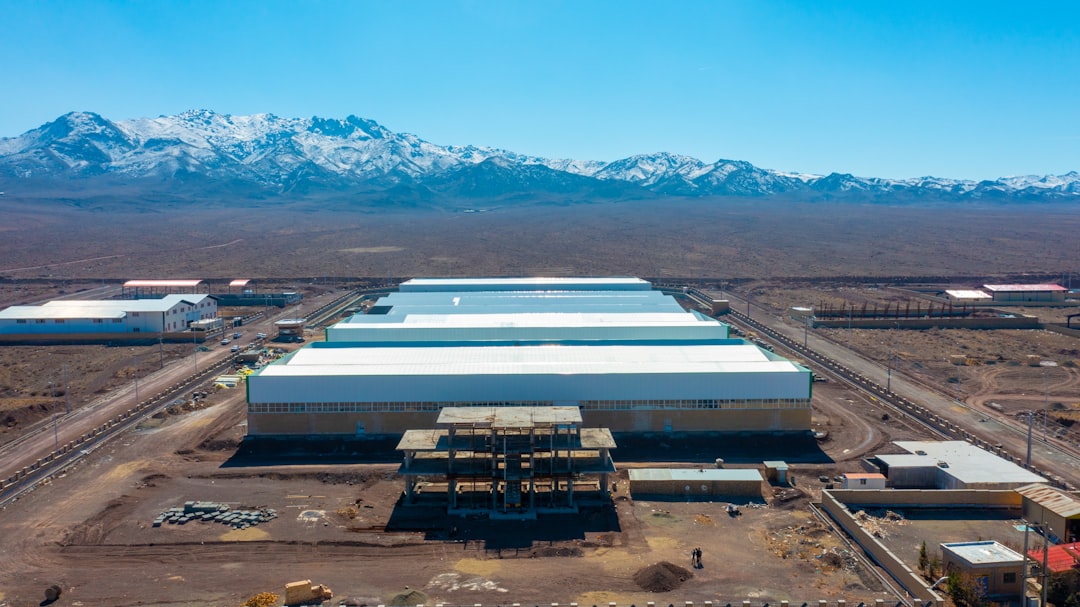
Crown Group's nearly completed lithium battery plant in Karachi promises to power Pakistan's EV and renewable energy sectors with high-performance batteries.
Crown Group is poised to revolutionize Pakistan’s electric vehicle (EV) and renewable energy sectors with its new lithium battery manufacturing facility. Located at Port Qasim in Karachi, the factory is already 80% complete with operations scheduled to commence in the next two months. This development signifies a significant milestone for Pakistan’s clean energy ambitions, as the country intensifies its efforts to reduce reliance on fossil fuel imports and accelerate the growth of its EV industry.
A closer look at the facility
The Port Qasim plant will specialize in producing high-performance lithium iron phosphate batteries, which are tailored for both electric vehicles and solar energy storage systems. According to Crown Group, the facility will initially manufacture approximately 8,000 batteries per month. Over time, production is set to scale up dramatically, achieving an annual output capacity of 120,000 units. This expansion promises to generate hundreds of new manufacturing jobs for the local workforce, fostering economic growth alongside technological advancement.
While the factory will import raw battery cells, assembly and other manufacturing processes will take place domestically. This approach allows the plant to leverage local labor and expertise while minimizing upfront costs associated with raw material sourcing. The move also aligns with national goals to develop domestic supply chains in emerging industries like energy and transportation.
Supporting EV adoption
Crown Group, which already offers 12 electric vehicle models with ranges of up to 200 kilometers, stands to further enhance its product lineup with the launch of this battery facility. Reliable and cost-effective batteries are often cited as a key barrier to wider EV adoption in Pakistan. By investing in local manufacturing, Crown Group is addressing one of the most pressing challenges for customers—high costs associated with imported components.
Affordable and efficient battery production could prove transformative for the local EV market, enabling vehicles that accommodate a variety of price points and use cases. For example, low-cost EV options could be developed for urban commuters, while higher-capacity batteries could be utilized in freight vehicles or long-distance passenger cars. Beyond EVs, the batteries' application for solar energy storage aligns perfectly with Pakistan's renewable energy goals, including efforts to reduce dependency on an unpredictable power grid.
Broader impact on energy independence
The plant’s role extends beyond manufacturing. By locally producing batteries, Pakistan aims to reduce its heavy reliance on imported fuel and diversify its energy portfolio. Complementing the growth of EVs, widespread adoption of solar energy storage systems could bolster the uptake of renewable energy nationwide. Such a shift would bring multiple benefits, ranging from reduced carbon emissions to greater energy security.
Moreover, the presence of a robust domestic battery production base can attract further clean technology investments to Pakistan. International automotive manufacturers may see the region as more favorable for introducing EVs and renewable energy solutions, knowing local infrastructure exists to support their products.
Challenges on the horizon
However, challenges remain for Pakistan’s nascent EV and battery manufacturing industries. For one, importing raw battery cells while assembling locally limits the scope for entirely local production. To achieve full energy independence, Pakistan will likely need to invest in mining or synthetic production of lithium and other key raw materials.
In addition, EV adoption is still in its early stages in Pakistan compared to other countries, due in part to a lack of charging infrastructure and government policies that fully incentivize the transition to electric vehicles. While the battery plant is a positive step, Crown Group and others in the industry will need continued support from policymakers to ensure the success of these initiatives long-term.
What this means for the industry
The completion of Crown Group’s lithium battery manufacturing plant will likely catalyze growth in Pakistan’s energy and automotive industries. By targeting both EVs and solar energy storage systems, the facility is well-positioned to meet rising demand across multiple sectors. Additionally, its promise to create jobs and reduce reliance on imported fuel illustrates the intersection of clean energy technology and economic development.
As Pakistan prepares to enter the global EV supply chain and ramp up its renewable energy ambitions, developments such as these reveal a roadmap for sustainable growth. Turning these aspirations into reality will depend on continued investment, innovation, and commitment across both public and private sectors.
The next two months will be pivotal as Crown Group transitions from construction to production, with expectations high for its impact on Pakistan’s clean energy roadmap. Whether the nation is truly ready for an EV future, however, depends on how well stakeholders navigate the challenges ahead.
Staff Writer
Mike covers electric vehicles, autonomous driving, and the automotive industry.
Comments
Loading comments…


