Rising Fuel Prices Drive Surge in Electric Vehicle Interest
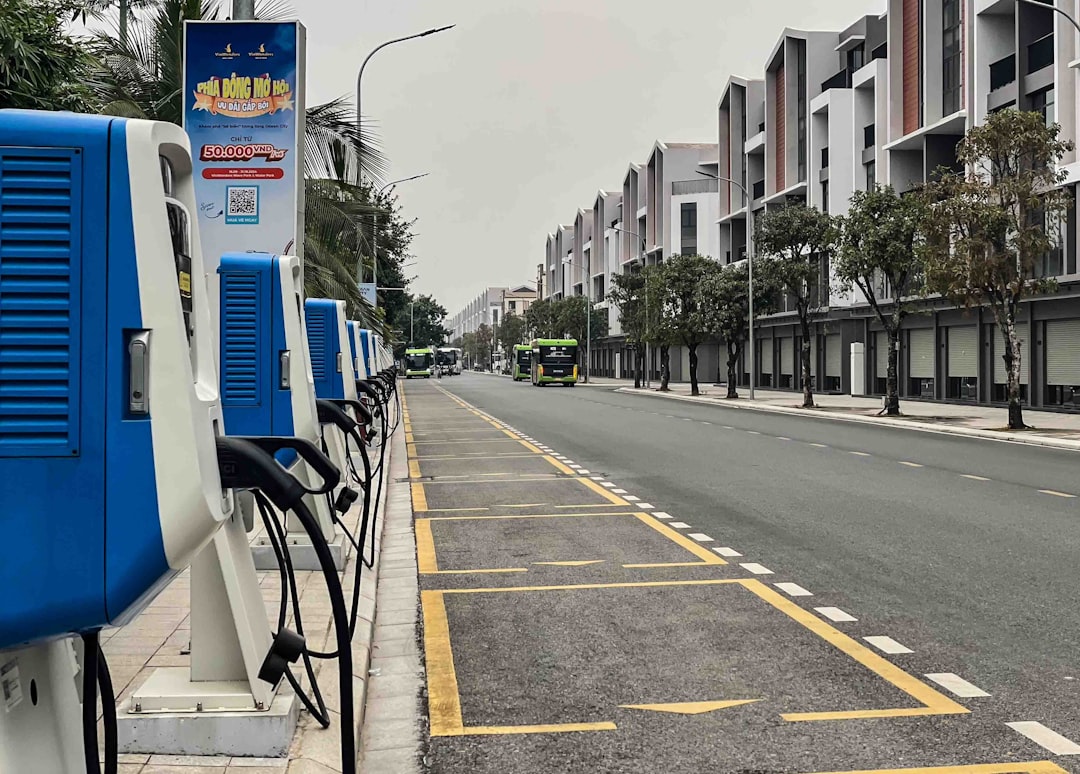
High gas prices prompt a renewed wave of interest in electric vehicles, with lower charging costs and convenience attracting buyers.
High gasoline prices are compelling more drivers to consider switching to electric vehicles (EVs). Amid rising fuel costs, online searches for EVs have surged, highlighting a distinct shift in buyer priorities and interests. Car dealerships and charging stations are seeing increased activity as potential buyers explore what EVs have to offer. While some EV owners already feel confident about their choice, others are flocking to dealerships for the first time, encouraged by cost savings and convenience.
Why Drivers Are Switching to Electric Vehicles
Fuel prices have reached unprecedented levels in some areas, and for many households, filling up a gas-powered car has become a significant financial strain. Most drivers now report spending $50 to $100 per fill-up, depending on the vehicle. By contrast, EV owners claim it costs about $12 to charge their vehicles fully, making the switch from gas to electric a compelling financial decision.
One EV owner noted that buying their vehicle a few years ago felt like a foresighted decision. “With the price of gas now, this is way more economic,” they explained. Owners also value the added benefit of avoiding trips to the gas station entirely, praising the convenience of charging at home or at readily available stations.
Incentives and Charging Accessibility
Although federal incentives for purchasing electric vehicles have largely been phased out, some new cars still offer perks such as free charging for the first few years. These benefits provide additional encouragement for buyers wary of upfront costs. Meanwhile, cities and private companies are investing heavily in expanding charging infrastructure, making EV ownership increasingly practical.
Charging stations are becoming a regular feature in public spaces and residential developments. This expansion reflects the growing demand for EVs and the need to support drivers who might otherwise hesitate to make the switch because of charging accessibility concerns.
Gas Prices and EV Affordability Comparison
| Cost Aspect | Traditional Gas Vehicles | Electric Vehicles |
|---|---|---|
| Fuel/Charging Cost | $50–$100 per fill-up | ~$12 per charge |
| Incentives | Limited | Some free charging |
| Maintenance | Higher (oil changes, etc.) | Lower maintenance |
Electric Vehicle Market Snapshot
While EV sales dipped slightly last year—representing 7.8% of total car sales—industry experts predict this trend may reverse as fuel prices remain high. Prolonged geopolitical tensions, such as the ongoing conflict involving Iran, contribute to volatile gas prices. Consequently, many analysts expect rising energy costs to spur further growth in the EV market.
Cities are not the only entities doubling down on EV adoption. Private property owners and businesses are recognizing the benefits of investing in charging stations. By offering charging infrastructure, they cater to the growing number of EV drivers and enhance the appeal of their locations.
Practical Takeaways for Potential Buyers
- Cost Savings: EVs offer significant savings on fuel costs, with charging expenses averaging just a fraction of traditional gas prices.
- Convenience: Many EV owners highlight the convenience of home charging and the freedom to skip trips to the gas station.
- Infrastructure Growth: The rapid expansion of public charging stations ensures reliability for long-distance drivers.
- Long-Term Investment: While upfront costs may seem higher, the reduced maintenance and charging expenses create overall economic benefits.
Is It the Right Time to Switch?
For many drivers, the decision comes down to cost, convenience, and the rising expense of gasoline. As EV infrastructure continues to expand, accessibility and ease of use are on the rise. Combined with the ongoing development of more affordable EV models, this ensures that transitioning to electric transportation is not only feasible but increasingly appealing to a broader demographic.
So, is now the right time to make the switch? While personal circumstances vary, the financial and environmental incentives for choosing an EV have never been more compelling.
If fuel prices remain high, automotive trends seem to favor an electric future.
Staff Writer
Mike covers electric vehicles, autonomous driving, and the automotive industry.
Comments
Loading comments…


