Rolls-Royce unveils Project Nightingale, a nod to art deco elegance
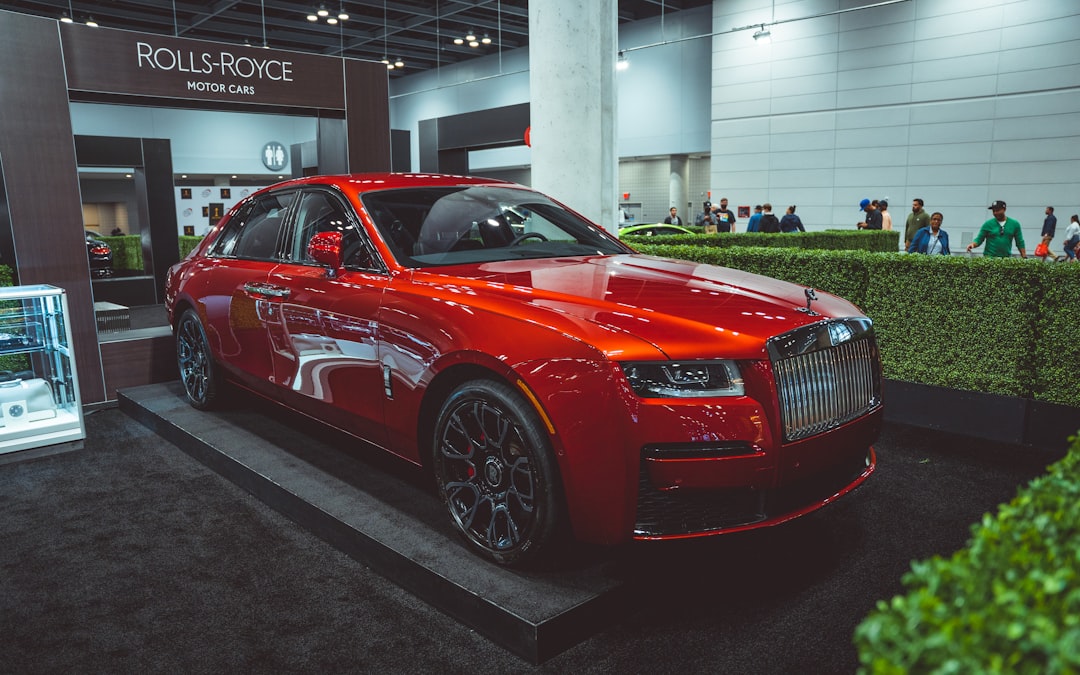
Rolls-Royce unveils Project Nightingale, an electric all-wheel-drive masterpiece inspired by the 1920s art deco era and legendary torpedo models.
Rolls-Royce has unveiled its latest creation, Project Nightingale, a luxury electric vehicle (EV) that marries modern innovation with timeless design. According to the company, the project has been in development for two years and is intended to showcase what the brand’s designers and engineers can achieve when given full creative freedom.
Measuring 5.76 meters in length, Project Nightingale is comparable in size to the company’s flagship Phantom sedan. However, unlike its internal combustion predecessor, Nightingale is driven by an all-wheel-drive electric powertrain. Rolls-Royce has designed this setup to perfectly complement the car’s intended purpose and the needs of its discerning clientele, highlighting the growing importance of sustainability even in ultra-premium automotive manufacturing.
A tribute to art deco luxury
One of the most defining characteristics of Project Nightingale is its design language. Drawing inspiration from the art deco era of the 1920s, Rolls-Royce’s creative team reimagined features and forms from this period and brought them into the modern context. The company has cited two historical models as specific sources of inspiration: the Rolls-Royce 116EX and the 1017EX from 1928. Both vehicles were experimental torpedo-labeled cars that represented the cutting-edge of design and engineering during their respective eras.
The influence of these models is evident in Nightingale’s styling. While precise details of the car’s aesthetics haven’t been revealed, Rolls-Royce suggests that the design blends the spirit of the early 20th-century vehicles with forward-looking elements reflective of the brand’s future. The 1920s art deco period was known for its bold geometric shapes, sleek contours, and opulent finishes—principles likely revisited in Nightingale’s exterior and interior forms.
Rolls-Royce and the future of electrics
With the advent of Project Nightingale, Rolls-Royce continues to signal its shift toward electrification. The company has already outlined a roadmap toward full electric mobility, working to align its signature focus on luxury with the imperatives of sustainability. By incorporating an all-wheel-drive system, Nightingale emphasizes both practicality and performance.
This positioning is strategic. Not only does it ensure Rolls-Royce satisfies evolving regulatory and consumer preferences, but it also allows the brand to cater to a new generation of high-net-worth customers seeking luxury EVs unencumbered by environmental concerns or compromises in refinement. While the exact details of the powertrain remain under wraps, the focus on precise matching to the lifestyle needs of its clients ensures it will offer the hallmark Rolls-Royce experience.
Balancing history and innovation
What makes Project Nightingale particularly notable is how it typifies Rolls-Royce’s knack for blending legacy with modernity. By rooting itself in the design ethos of the 1920s—using historical references like the 116EX and 1017EX—the company draws a line that connects its storied past with its aspirational future.
This isn’t Rolls-Royce’s first homage to its archives. The brand has a long-standing tradition of reinterpreting past models and themes to maintain a continuous narrative in its portfolio. Yet with Nightingale, there's the added layer of incorporating electric propulsion, a defining technological shift in the automotive world. It’s a move that asserts Rolls-Royce's adaptability without sacrificing its identity.
What Nightingale means for luxury EVs
The unveiling of Project Nightingale indicates more than just a new addition to the Rolls-Royce lineup; it serves as a statement about how the luxury automotive market is evolving. Where performance metrics and gadgetry often dominate broader EV conversations, Rolls-Royce is emphasizing intangibles like craftsmanship, heritage, and user experience.
If successful, Nightingale will reinforce that green technology and high luxury can coexist seamlessly. It also sets a high bar for competitors attempting to occupy the same ultra-luxury EV niche. Coupled with its tribute to a pivotal design era, the car could carve out a unique space by appealing to buyers who value artistry and heritage just as much as innovation.
The road ahead
As of now, details such as production timelines, pricing, and specifications for Project Nightingale remain tightly controlled. However, given Rolls-Royce’s penchant for exclusivity, it’s likely that this car will be positioned as a limited-edition or bespoke offering. The brand has historically used one-off or low-volume projects like this to demonstrate its design and engineering muscle.
What’s clear is that the industry at large will be taking notes. Rolls-Royce continues to be a bellwether for how tradition-driven brands can navigate modern demands without diluting their essence. Whether Project Nightingale evolves into a production model or simply serves as a halo vehicle for the company’s electrification efforts, it confirms that sustainability and style are not mutually exclusive in the realm of automotive luxury.
Staff Writer
Mike covers electric vehicles, autonomous driving, and the automotive industry.
Comments
Loading comments…


