Tesla Software Update 2026.8.3 and App Update 4.55.0: Key Features Reviewed
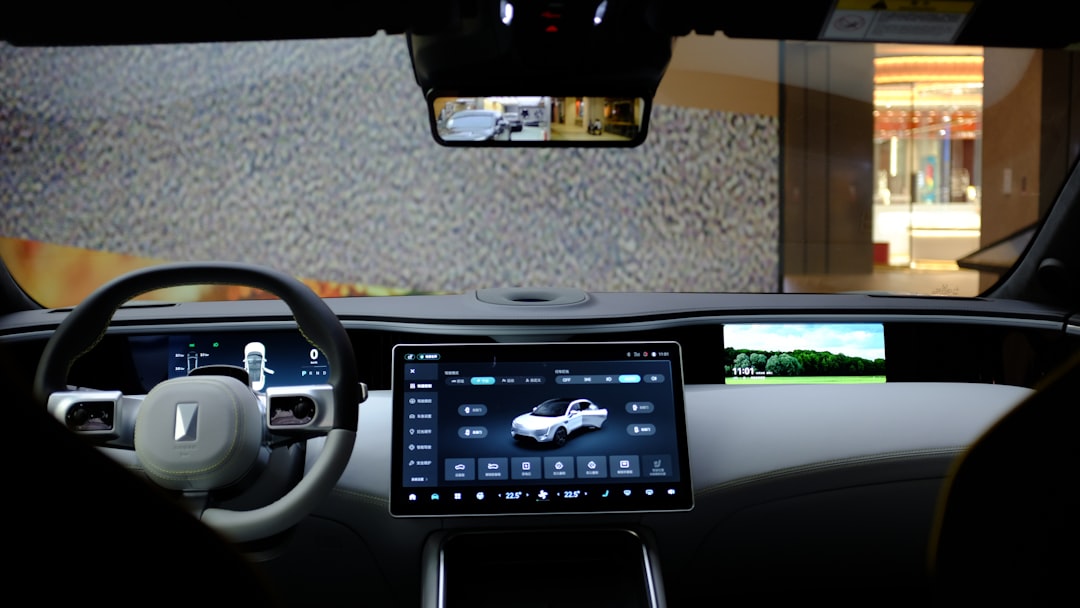
Tesla rolls out software update 2026.8.3 and app update 4.55.0, enhancing driving comfort and service features.
Tesla has rolled out its latest software update, version 2026.8.3, alongside an app update, version 4.55.0. These updates, announced shortly after the previous version, introduce refinements to the driving experience and Tesla's app functionalities. Here is an in-depth review of the latest improvements based on user observations and feedback.
Key Highlights from Software Update 2026.8.3
The 2026.8.3 software update brings ongoing improvements to Tesla's electric vehicles. Although the release notes primarily indicate “important security improvements and overall enhancements,” a notable addition is the refinement of the "Comfort Braking" feature.
What Is Comfort Braking?
The most significant update within 2026.8.3 revolves around what Tesla refers to as "Comfort Braking." This adjustment specifically impacts newer Tesla models equipped with an updated tandem master brake cylinder. The Comfort Braking aims to provide smoother stops during one-pedal driving, especially as the vehicle slows to a standstill.
Earlier complaints highlighted a slight jolting sensation at low speeds due to the interplay between the hydraulic and electric braking systems. With this new update, Tesla fine-tunes the braking modulation, ensuring a gradual and jerk-free stop. This improvement enhances passenger comfort, resembling what’s often termed a "chauffeur stop" — where the vehicle comes to a complete halt without causing abrupt body movement for its occupants.
However, the presenter suggests this update is more about fixing minor calibration issues in the original setup than introducing groundbreaking technology. Legacy Tesla models remain unaffected as their braking systems already incorporate established E-boosters and do not employ the newly updated hardware.
Context of Recent Updates
Prior to 2026.8.3, Tesla's 2026.8 update included smaller changes, including improvements to features like software functionality nicknamed "Crock." These kinds of continuous refinements underscore Tesla’s iterative approach to enhancing the driving experience.
Tesla App Version 4.55.0: What's New?
Alongside the vehicle software update, Tesla's mobile app moved to version 4.55.0. This app update focuses on improving the service interface (Service UI) to make handling vehicle-related issues more intuitive.
Enhanced Service Menu Organization
The newly designed service menu now features two primary tabs:
- Requests Tab: This section allows users to select specific vehicle issues using a more detailed categorization of problems. An AI-driven chatbot assists users, offering guidance on resolving matters or funneling the information to Tesla support teams. Additionally, users can access emergency roadside assistance from within this tab in urgent situations.
- Resources Tab: This area consolidates helpful materials such as video tutorials, the online user manual, and information about the vehicle's battery health. This structured approach ensures that essential support materials are easily accessible.
One major highlight of Tesla's app continues to be its free functionality, which contrasts starkly with competitors’ subscription models. As the video’s presenter highlighted, certain EV companies charge hefty annual fees just for app access to basic metrics like battery health.
Real-World Driving Tests and Observations
As part of the review of the new updates, the presenter took a 55-kilometer-long highway trip from Warms Abenheim to Landau. Data gathered from this drive offered insights into Tesla's efficiency and functionality after the software update.
Energy Efficiency Insights
Driving an electric vehicle comes with a keen focus on energy efficiency. In this test, the vehicle averaged a consumption rate of approximately 19.5 kWh per 100 kilometers. While this figure might vary depending on conditions like temperature and driving speed, the presenter noted that moderate weather (13°C/55.4°F) minimized the winter energy inefficiencies often associated with EVs.
Autopilot’s Role
During the trip, the Autopilot was activated and operated seamlessly within its current limits. The system supported adaptive capabilities: the vehicle maintained a consistent speed (up to 140 km/h) and handled lane changes efficiently after brief signals from the driver during overtaking maneuvers. The legacy model utilized for the test had no significant changes to adaptive cruise control or Autopilot features in this update.
Impact of Photovoltaic Charging
The presenter also addressed questions about using a photovoltaic (PV) home setup for charging. Tesla owners with solar panels can match charging times with optimal sunlight hours, reducing reliance on grid electricity. However, for cases requiring night charging, storage battery limitations might necessitate supplemental grid power. In one instance, a 7.7 kWh storage battery was exhausted by 4 a.m., requiring a modest 2 kWh draw from the electrical grid before solar generation resumed.
Practical Implications of the Updates
For Tesla owners, these enhancements align with their ongoing focus on improving driver convenience. Here are the key takeaways:
- Smoother Stopping: Comfort Braking eliminates abrupt stops, especially for newer models, improving ride quality for passengers.
- User-Friendly App: The redesigned service interface keeps Tesla ahead of competitors, providing superior functionality without imposing annual subscription fees.
- Efficiency Remains Solid: Updates appear to have no adverse effect on battery efficiency, as real-world tests showed reasonable consumption levels given driving conditions.
Tesla's Iterative Updates Continue to Lead
Tesla’s emphasis on rolling out small but meaningful updates solidifies its reputation as a forward-thinking automaker. Software version 2026.8.3 and app version 4.55.0 are examples of how Tesla refines both on-road performance and user experience through frequent updates. While drivers of legacy models won’t see major changes related to braking, current owners can enjoy enhanced driving comfort with smoother braking modulation. Tesla’s uncompromising approach to app functionality further distinguishes it within the competitive EV market.
Staff Writer
Nina writes about new car models, EV infrastructure, and transportation policy.
Comments
Loading comments…


