Tesla's 50,000 Unsold EVs: How Inventory Woes Are Reshaping Charging Infrastructure Economics
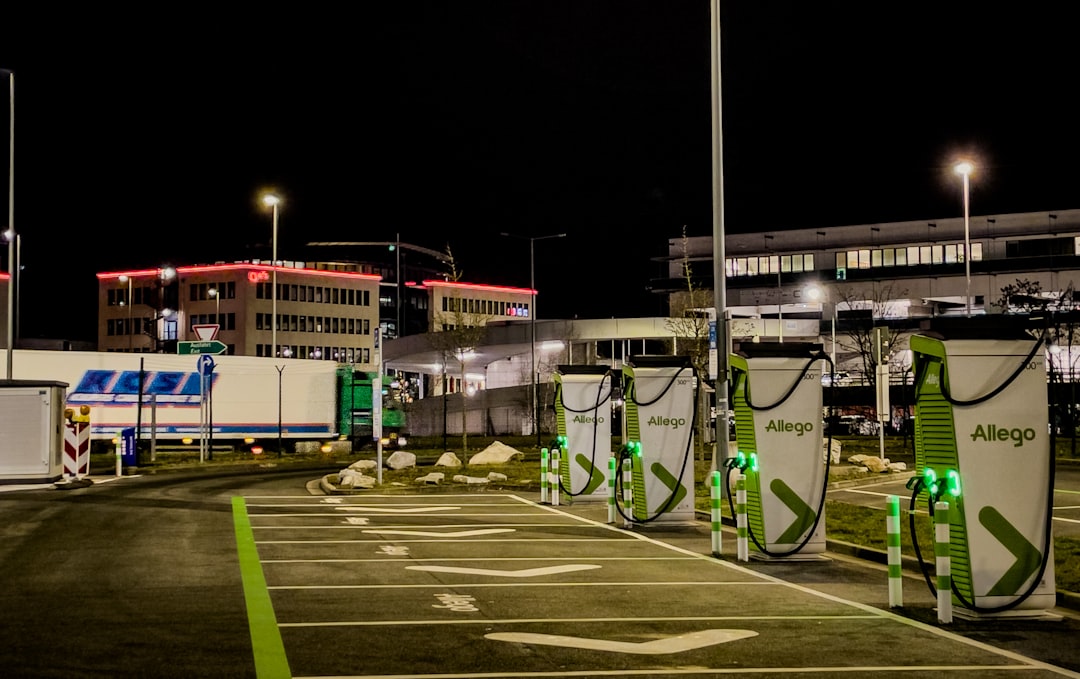
Tesla’s record inventory of 50,000 unsold EVs highlights vulnerabilities in EV charging infrastructure and logistics real estate assumptions.
Tesla, a hallmark of the electric vehicle (EV) revolution, now faces an unlikely challenge: an overhang of 50,000 unsold vehicles sitting idle in storage lots. This inventory accumulation, the largest in Tesla’s history, reveals a slowdown in customer uptake—offering a stark contrast to the bullish growth predictions once driving many economic assumptions about EV-related industries.
While a slowdown in supply chain efficiency or one-off market corrections might explain such an overhang for some companies, Tesla’s case has broader implications. Two sectors tied closely to the EV industry's success—charging infrastructure and EV logistics real estate—are beginning to feel the knock-on effects of these softened adoption curves. This inventory pileup might signal a recalibration of what once seemed like untouchable growth narratives.
Charging Infrastructure: Stress-Testing Demand Projections
The rapid deployment of EV charging infrastructure relies on one crucial assumption: EV adoption will continue to accelerate, increasingly justifying the number of charging stations in place. As Tesla and other brands sell more vehicles, the need for EV chargers increases, making this infrastructure a reliable bet for investors.
However, Tesla’s inventory of unsold vehicles raises questions about the speed of that adoption. If the industry leader is experiencing a slowdown—even while offering discounts to boost demand—it's a red flag. A flattening EV growth curve doesn't align well with the assumptions behind extensive charging station buildouts.
Why does this matter for investors? Charging stations typically generate returns on the basis of projected utilization rates. In high-demand scenarios, a well-placed charging station would serve hundreds or even thousands of vehicles over a given period, achieving profitability through usage volume, subscription models, and partnerships. But if vehicle sales slow and fewer EVs hit the roads, station utilization drops. Lower utilization compresses earned revenue and undermines the core financial models underwriting these charging projects.
For property owners relying on such leases, there’s an added layer of complexity. Many EV charging stations operate on triple-net leases, wherein operators pay property taxes, insurance, and maintenance costs. Lower revenues at charging stations could stress operators’ businesses—and, in turn, their ability to meet lease obligations. This might precipitate renegotiations or even defaults, forcing lenders and investors to reconsider their risk exposure in this sector.
Logistics Real Estate: Premiums Under Pressure
Another area showing signs of strain is EV-related logistics real estate. Over the past few years, institutional capital flowed heavily into staging yards, last-mile EV fleet depots, and battery storage facilities. These spaces were assumed to be vital for an industry primed to skyrocket. A persistently undersupplied EV market was supposed to create sustained demand for such properties, driving rents higher.
The inventory overhang Tesla is now shouldering complicates this outlook. Excess inventory in storage lots suggests that operators—whether end users, leasing tenants, or automakers themselves—are pulling back on growth timelines. Instead of ramping up operations or requiring new logistic facilities to manage downstream growth, many players may be deferring commitments and reducing expansions.
This creates a ripple effect on commercial real estate (CRE). Properties that were valued based on aggressive growth assumptions could face declining premiums if expansion plans slow. Moreover, higher capital expenses for real estate development in the wake of inflationary pressures compound these challenges, making speculative development in EV logistics increasingly fraught with risk.
The Bigger Picture: EV Markets Challenged But Not Doomed
It’s worth noting that the EV industry isn’t stalling out altogether. Many other automakers are still pushing forward with aggressive EV adoption goals, and global regulatory frameworks increasingly favor electrification. However, Tesla’s inventory issues spotlight the challenges inherent in scaling complex industries tethered to both manufacturing logistics and consumer behavior.
Economic realities often adjust faster than grand industry theses. Investors who bet heavily on EV-adjacent sectors like charging stations or logistics facilities may now need to re-evaluate their timelines and return expectations. For charging infrastructure, strategies might shift toward focusing on locations with dense urban adoption or closer integration into mixed-use developments. In logistics, flexibility—such as lease agreements that account for fluctuating tenant demand—will be key to mitigating operational risks.
Lessons for the Market
The situation underscores a larger lesson for investors: the market doesn’t price original theses or optimistic growth assumptions; it prices what’s happening today. For EV infrastructure and logistics stakeholders, the Tesla inventory story might serve as a wake-up call to recalibrate expectations and diversification strategies.
EV adoption remains a megatrend, but the road may be bumpier in the near term than many anticipated. Economic shifts, adoption headwinds, and inventory cycles will challenge both automakers and ancillary industries. While the EV revolution isn’t slowing to a halt, its accelerative phase appears due for a speed check.
Staff Writer
Mike covers electric vehicles, autonomous driving, and the automotive industry.
Comments
Loading comments…


