Tesla's driverless robotaxi service expands to Dallas
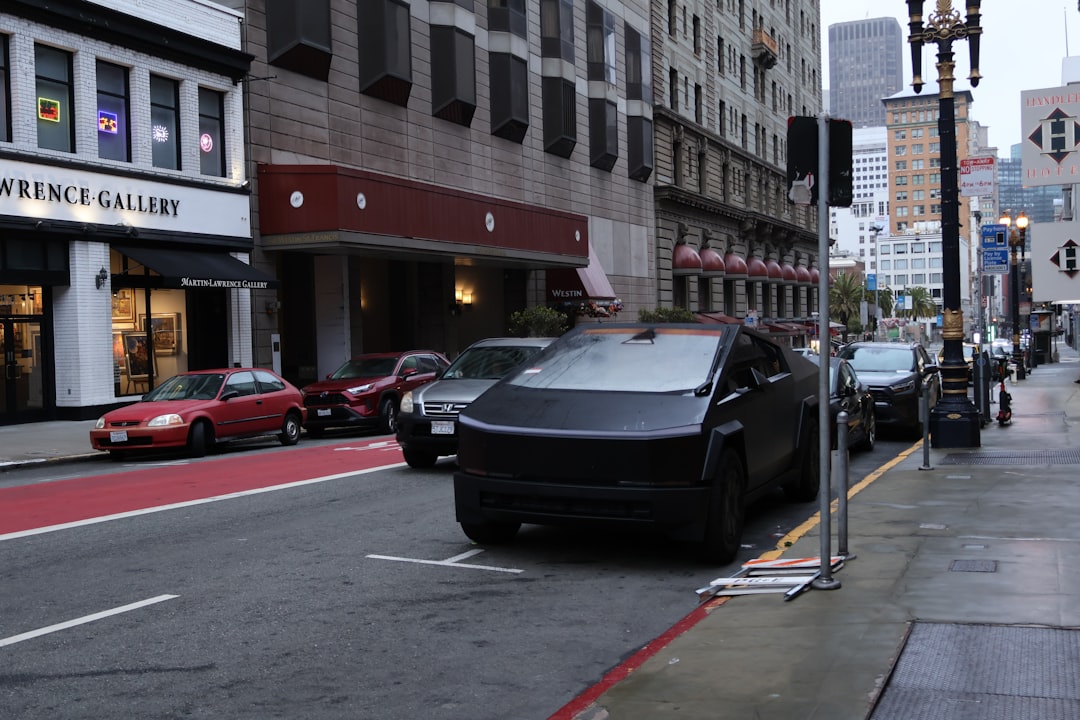
Tesla expands its robotaxi service to Dallas, bringing driverless vehicles to downtown and Highland Park, following operations in Austin.
Tesla is accelerating the rollout of its robotaxi service, announcing over the weekend that Dallas is the latest city to join its autonomous vehicle network. Following its earlier launch in Austin, Tesla’s driverless taxis will now be navigating the streets of North Texas, with coverage planned for downtown Dallas and Highland Park.
What Tesla’s expansion means for Dallas
The arrival of driverless taxis in Dallas signals a broader push by Tesla to scale its autonomous mobility offerings. The service, which aims to provide convenient, on-demand transportation without human drivers, is expected to primarily serve busy urban areas. In this case, Tesla has targeted downtown Dallas, the city’s bustling financial hub, and Highland Park, a suburb known for its affluence and heavy traffic.
While autonomous vehicle deployments are often met with curiosity and skepticism, Dallas provides a promising landscape for Tesla’s expansion. The city’s growing population, urban development, and prevalent rideshare demand make it a logical choice for integrating a robotaxi network. Whether picking up commuters heading to work, shuttling visitors around city landmarks, or helping Highland Park residents with local errands, the driverless fleet appears set to fill a notable gap in the region’s transportation ecosystem.
Tesla’s ongoing strategy in Texas
Tesla’s choice of Texas as a proving ground for its robotaxi service seems intentional. The automaker’s major manufacturing facility, Gigafactory Texas, is located in the state capital of Austin, and Texas itself has a reputation for being relatively welcoming to autonomous vehicle testing. Austin, often dubbed a tech hub and a forward-thinking city, was the initial launch site for the service.
Expansion to Dallas suggests Tesla is not only aiming at urban centers known for congestion but is also leveraging the state’s regulatory environment. Texas reportedly has favorable policies for autonomous vehicle developers, providing the legal and administrative framework needed for real-world deployments.
How Tesla robotaxis operate
Tesla’s robotaxi service, which uses its advanced Full Self-Driving (FSD) software, relies on the company’s existing fleet of electric vehicles. These are equipped with multiple cameras, ultrasonic sensors, and an onboard computer powered by Tesla-designed AI chips. The FSD software guides the vehicle, enabling it to navigate roads, avoid obstacles, and make decisions without human intervention. However, the specifics of Dallas’ deployment, such as fleet size or pricing, are yet to be revealed.
Critically, Tesla’s FSD software is still considered a beta product. Some users have highlighted its limitations, including difficulty handling complex traffic scenarios or unpredictable human behavior. As Tesla brings robotaxis to a new metropolitan area, the robustness of its software will likely face heightened scrutiny.
Local challenges and concerns
Launching a robotaxi service in Dallas comes with its own set of challenges. For one, the city’s infrastructure and driving culture may introduce variables Tesla’s FSD software has not fully addressed. Factors such as weather conditions, road maintenance, and varying levels of driver unpredictability in urban versus suburban areas will test Tesla’s system.
There is also the question of public perception. While some Dallas residents and businesses may see autonomous taxis as innovative, others may have reservations. Questions about safety, cybersecurity, and the displacement of traditional driver jobs are common criticisms of autonomous vehicle technology. Tesla will need to address these concerns to foster trust and adoption among users.
The bigger picture for autonomous mobility
Tesla’s move into Dallas is part of a broader trend of tech companies racing to commercialize robotaxis. Industry players such as Waymo and Cruise have also expanded autonomous ride-hailing services in select U.S. cities, though Tesla differentiates itself by utilizing its customer-owned vehicle fleet to provide these services. The robotaxi vision, however, is not without setbacks. Regulatory hurdles, technical limitations, and public skepticism remain major obstacles for these services to scale broadly.
For now, Tesla’s robotaxis operate in limited geographic areas, while rivals like Waymo have begun adding major urban expansions like Phoenix and San Francisco to their networks. However, Tesla retains a strategic edge in its vertically integrated approach. By owning both the vehicles and the self-driving software, Tesla minimizes external dependencies—a factor that could accelerate its rollout compared to competitors reliant on partnerships.
What’s next for Tesla in Dallas
As with any new rollout, Tesla is likely to evaluate its operations in Dallas and refine its service based on local challenges and user feedback. Service expansions to nearby cities or farther outlying suburbs cannot be ruled out, especially if the initial deployment gains traction. For now, Dallas is a crucial test case for whether Tesla can successfully bring its robotaxi vision to new metropolitan markets.
The rollout also raises broader questions about the future of urban mobility. If integrated smoothly, autonomous taxis could reduce traffic congestion, lower rideshare costs, and give cities an edge in innovation. However, achieving these outcomes depends heavily on how well companies like Tesla navigate the regulatory, technical, and cultural roadblocks that stand in their way.
For North Texas, the rise of driverless taxis is more than a technological curiosity—it’s a preview of what cities across America could soon experience as autonomous vehicles continue expanding their footprint.
Staff Writer
Nina writes about new car models, EV infrastructure, and transportation policy.
Comments
Loading comments…


