The Mercedes C-Class: Driving the Electric Vehicle Revolution Forward
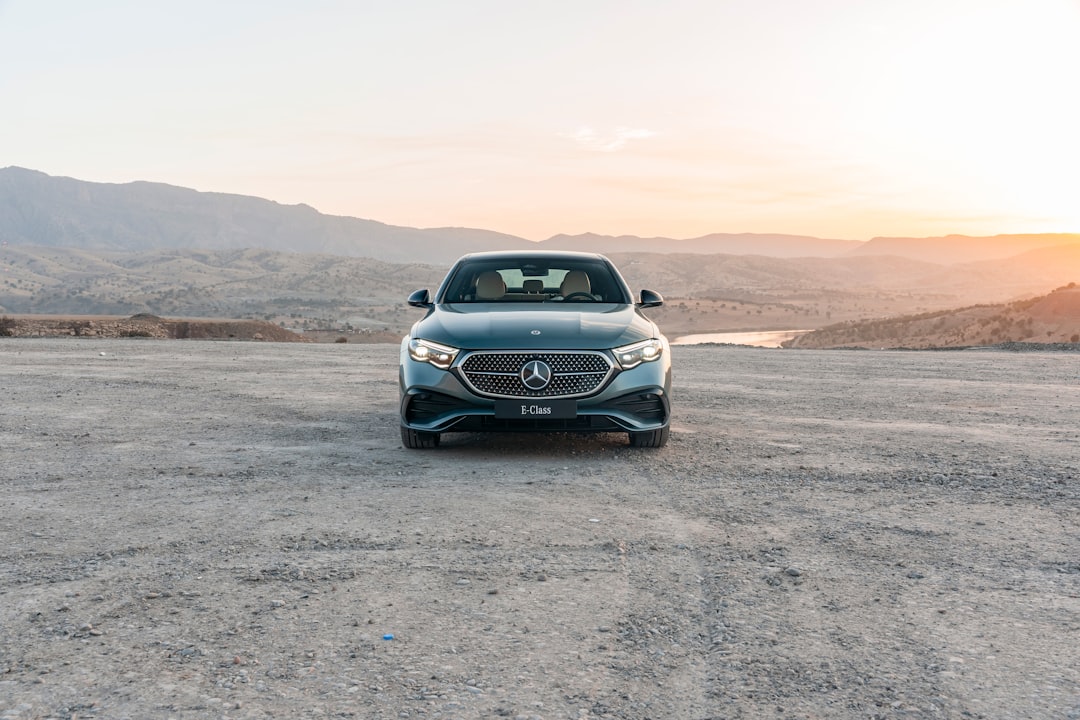
The new electric Mercedes C-Class promises a 250-mile range, sleek design, and cutting-edge technology, redefining the future of sustainable driving.
Imagine a future where electric vehicles (EVs) dominate the roads—not as an ambitious dream, but as an everyday reality. Playing a pivotal role in this rapidly growing movement is the new Mercedes C-Class, an electric vehicle that pushes the boundaries of what drivers can expect in terms of design, sustainability, and technology. Combining an impressive driving range of 250 miles on a single charge with state-of-the-art features, the Mercedes C-Class is positioned as a standout leader in the shift toward sustainable transportation. But Mercedes isn’t just making a car; it's driving a change that reverberates across the auto industry.
The Specs: What Makes the C-Class Special
One of the defining features of the new electric Mercedes C-Class is its robust 250-mile range, which places it in direct competition with market leaders like Tesla’s Model 3 and the Polestar 2. This respectable range addresses a key concern for many prospective EV buyers—range anxiety—as it comfortably supports both daily commutes and extended road trips with proper planning.
Under the hood, the electric motor promises responsiveness and power, delivering a smooth yet dynamic driving experience. On top of its technical prowess, the C-Class exudes a sleek, aerodynamic design that blends luxury with efficiency. The car doesn’t sacrifice the hallmark comfort associated with the Mercedes brand either. From a plush interior to an advanced infotainment system, the C-Class offers a premium experience aimed at meeting the expectations of discerning buyers.
What truly sets it apart are its advanced technological features. Highlights include autonomous driving capabilities, cutting-edge safety systems like collision mitigation, and an intuitive, tech-forward infotainment suite. These elements are not just conveniences; they represent Mercedes' commitment to integrating the latest innovations to shape the future of driving.
Addressing Challenges in EV Adoption
While the electric vehicle surge is undeniably gaining momentum, it’s not without its hurdles. One of the primary obstacles highlighted is the uneven availability of charging infrastructure across the globe. Although the 250-mile range mitigates immediate concerns, the lack of accessible and fast charging stations in every region remains a sticking point for many potential buyers.
Mercedes, along with other automakers, is actively investing in solutions. Improvements in charging infrastructure—including partnerships for rapid-charge stations and the development of home charging units—are at the heart of ensuring consumer confidence. As the marketplace continues to evolve, it’s likely that infrastructure challenges will be met with greater innovation and collaboration, potentially transforming how and where drivers charge their vehicles.
The Industry Impact
The shift toward electric vehicles, as underscored by the release of models like the Mercedes C-Class, is reshaping the auto industry in ways that few could have envisioned a decade ago. This transition responds to increasing consumer demand for sustainable alternatives to traditional gas-powered cars. In turn, manufacturers are forced to rethink production lines, vehicle design, and long-term strategies to align with a future that favors zero-emission transportation.
This movement carries exciting implications for the job market and ancillary industries. Developing new EV models requires investment in research, design, and manufacturing, creating opportunities across engineering, software development, and renewable energy technologies. Meanwhile, governments are rolling out incentives to speed up adoption, such as tax rebates and subsidies, aimed at making EVs more accessible to broader demographics.
Strong Environmental Incentives
Environmental benefits are at the core of the EV surge. Electric vehicles, including the Mercedes C-Class, produce zero tailpipe emissions, which makes them a critical weapon in combating urban pollution and reducing greenhouse gas emissions. With long-distance capabilities and improved access to renewable energy grids, EVs are becoming a practical and ethical choice for eco-conscious drivers.
That said, challenges remain in ensuring that the manufacturing process itself, including battery production, aligns with sustainable practices. Addressing this requires ongoing innovation in battery technology, such as the adoption of solid-state batteries or recycling initiatives aimed at conserving rare earth materials.
What's Next for the Electric Revolution?
The release of the electric Mercedes C-Class is symbolic of a broader shift in the transportation industry, but it’s just one chapter in a rapidly evolving story. As global commitment to addressing climate change intensifies, automakers are doubling down on EV development. We can expect significant breakthroughs in areas like battery longevity, charging speeds, and pricing, which will make EV ownership more viable and attractive for a broader range of consumers.
Additionally, collaboration between car manufacturers and governments will be crucial in driving progress. Building comprehensive charging networks, advancing renewable energy infrastructure, and creating EV-friendly policy environments are areas that require cooperative effort. Consumers, too, play a part in accelerating adoption through conscious purchasing decisions.
Why It Matters
The Mercedes C-Class represents more than a luxury electric car; it's a statement about where the industry—and the world—is headed. By combining sustainability with advanced technology and unmatched comfort, it challenges the outdated notion that environmental responsibility necessitates compromise. As more automakers follow suit, it’s clear that electric driving is not simply a trend—it’s the future.
For those considering a switch to an EV, the Mercedes C-Class serves as an exciting glimpse of what’s already possible. And for the industry as a whole, it underscores the immense potential for innovation, sustainability, and opportunity in a transportation system that's moving steadily toward zero emissions. The road ahead is electric, and it seems Mercedes is confidently leading the convoy.
Staff Writer
Nina writes about new car models, EV infrastructure, and transportation policy.
Comments
Loading comments…


