Uber to Invest $1.25 Billion in Rivian for Robotaxi Market Expansion
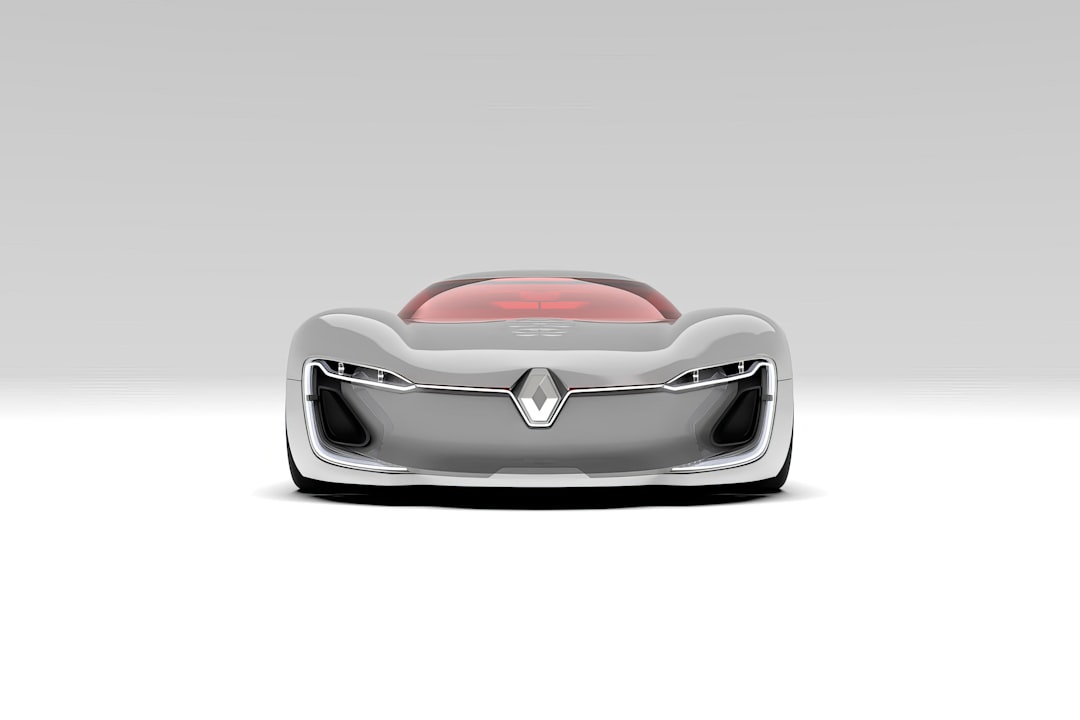
Uber and Rivian team up, with Uber investing $1.25 billion in Rivian to develop driverless robotaxis in 25 cities by 2031, starting with San Francisco and Miami.
Uber is making a serious commitment to the future of autonomous ride-hailing by announcing an investment of up to $1.25 billion in electric vehicle (EV) maker Rivian. This strategic partnership is set to pave the way for the deployment of driverless robotaxis in over 25 cities worldwide by 2031, with the first rollouts planned for San Francisco and Miami in 2028.
The Uber-Rivian Collaboration
Rivian, a well-known name in the EV sector, is now venturing into the burgeoning robo-taxi market with Uber's support. By teaming up, both companies aim to cement their positions as leaders in sustainable and autonomous transportation. This initiative aligns with Uber's broader efforts to integrate cutting-edge technology into its ridesharing platform.
Under the agreement, Uber will channel $1.25 billion into Rivian, providing the EV maker with the critical resources it needs to expedite the development and production of its autonomous vehicles. In return, Rivian’s proven innovation in EV design and manufacturing will allow Uber to operate a fleet of sustainable, self-driving ride-hailing vehicles.
Deployment Timeline and Target Cities
The companies plan to begin testing and early-stage deployments of the robotaxi fleet by 2028, starting in the bustling cities of San Francisco and Miami. These locations were likely chosen due to their dense urban environments and high demand for rideshare services. More cities will join the roster in subsequent years, ultimately expanding to 25 or more markets by 2031.
Market Reaction
Following the announcement, Rivian’s stock surged nearly 10%, reflecting investor enthusiasm for the deal. The partnership represents a significant vote of confidence in Rivian as it expands its focus beyond passenger EVs to autonomous vehicles.
Implications for the Autonomous Vehicle Industry
This partnership gives both Uber and Rivian a competitive edge in the highly contested autonomous vehicle market. While rivals like Waymo and Cruise have already launched limited autonomous ride-hailing services, Uber and Rivian’s approach offers a unique advantage through their emphasis on building a robust, city-spanning fleet powered by Rivian’s electric technology.
What This Means for Consumers
For riders, this collaboration could result in more widely available and affordable autonomous vehicle options in the next decade. The integration of Rivian’s electric vehicle capabilities ensures that these robotaxis will also contribute to reduced emissions, aligning with the growing demand for sustainable transportation solutions.
Challenges Ahead
Despite the excitement the partnership has generated, substantial challenges remain. Regulatory approvals, technological milestones, and public acceptance of autonomous vehicles must all be addressed before large-scale implementation can occur. Moreover, competing in the already crowded autonomous vehicle market will require careful strategy and flawless execution.
Key Facts at a Glance
- Investment: Uber will invest $1.25 billion in Rivian.
- Launch Cities: The first rollout will be in San Francisco and Miami in 2028.
- Expansion Plan: Over 25 cities targeted by 2031.
- Stock Impact: Rivian's shares climbed nearly 10% after the announcement.
The Future of Uber and Rivian Collaboration
This deal marks a bold step forward for both companies in their long-term goals. Uber gains access to cutting-edge EV technology to enhance its ridesharing platform with autonomous capabilities. Meanwhile, Rivian broadens its scope, stepping into the growing robo-taxi market, potentially generating new revenue streams and solidifying its place as an innovator in EV technology.
As the partnership matures over the coming years, it has the potential to reshape urban transportation, delivering cleaner, more efficient, and accessible ride-hailing solutions globally.
Comments
Loading comments…


