Volkswagen ID.3 Neo (2026): A refined EV for everyday drivers
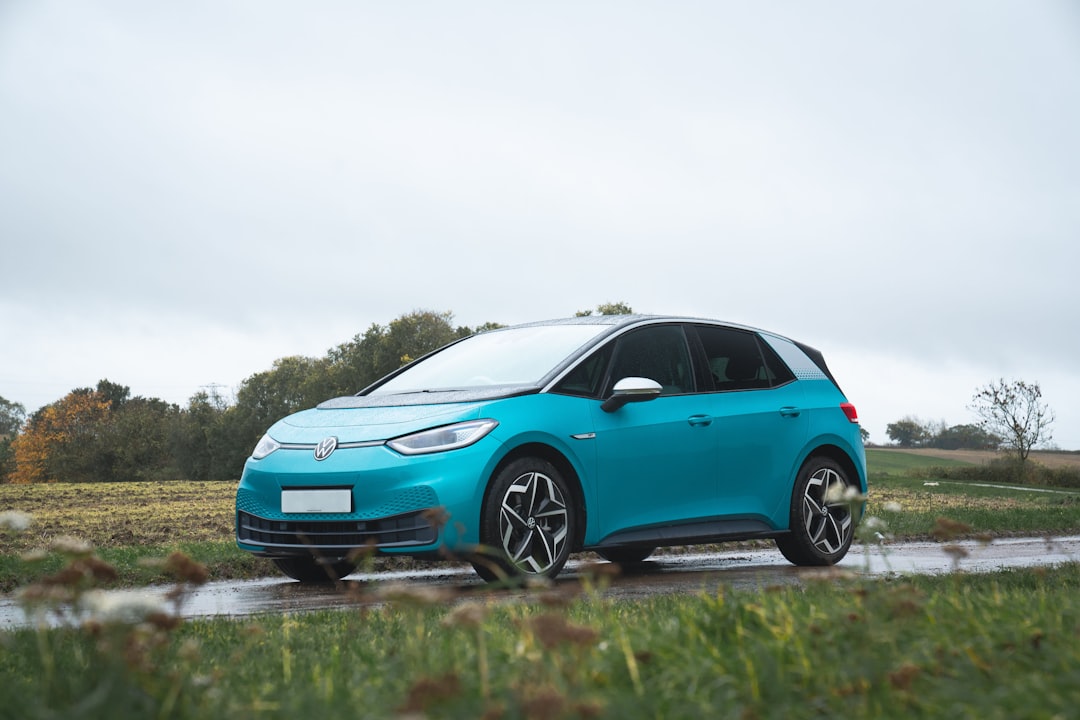
The 2026 VW ID.3 Neo debuts as an evolution in practicality, featuring enhanced design, improved interiors, and user-friendly tech for long-term ownership value.
Volkswagen has revealed an updated version of its electric hatchback, the ID.3 Neo, scheduled for its global debut in April 2026. Framed as more than just a "facelift," the ID.3 Neo aims to deliver a refined combination of practicality, timeless design, and enhanced comfort. It directly targets buyers looking for an electric vehicle (EV) that prioritizes long-term usability rather than flashy gimmicks. Here’s what we learned about the upcoming model and how it stands apart in a competitive EV market.
Sleek yet subtle design refresh
One of the most noticeable evolutions is the vehicle’s design. The early, somewhat playful aesthetic of the first ID.3 generation has been traded for a more sophisticated, no-nonsense appearance. The sharper front end features a redesigned LED matrix lighting setup, exuding a premium look while remaining understated. Volkswagen’s choice to steer clear of oversized grilles or overly aggressive lines reflects a conscious move toward timeless aesthetics—a statement that likely appeals to Germany’s discerning drivers, who often favor utility over showiness.
The rear continues this philosophy. Slim, continuous LED taillights lend the ID.3 Neo a broader appearance without resorting to superfluous faux vents or spoilers. In total, the design updates reflect more maturity, positioning the ID.3 Neo as a car for buyers who value understated elegance paired with everyday functionality.
A driver-centered interior makeover
Changes to the interior are arguably the most significant. Volkswagen has visibly responded to customer feedback on earlier ID.3 models. The inclusion of physical buttons on the steering wheel marks a return to tactile controls that many drivers find indispensable. Unlike purely touch-based systems—which can be finicky when traveling at speed—the physical buttons offer intuitive usability, especially for tasks like adjusting volume or changing settings.
The dashboard features a revamped 12.9-inch display that is angled toward the driver for easier access. This updated infotainment system runs on Volkswagen’s new Software 6.0—a platform designed to be faster, more stable, and more intuitive than its predecessors. An in-car app store has also been introduced, allowing owners to unlock new digital functionalities, such as audio streaming apps, navigation updates, and even light gaming options. This adaptable software ensures that the car evolves alongside its owner’s needs.
Improved build materials further elevate the interior. Hard plastics have been replaced with soft-touch surfaces and sustainable fabric upholstery, creating a space that feels inviting and comfortable. It’s a noticeable leap forward from the utilitarian interiors of the earlier ID.3 model, which drew mixed reviews due to their reliability but lack of visual and tactile appeal.
Driving dynamics for the real world
Powering the ID.3 Neo is the new APP 350 motor, which delivers a smooth, well-measured acceleration designed to complement daily commutes rather than mimic a high-performance sports car. While speed enthusiasts might find it unsatisfying, this deliberate choice by Volkswagen aligns with the car’s goal of offering a serene and stress-free driving experience.
Enhancements to the suspension system ensure a ride quality that feels composed regardless of road conditions. Whether navigating cobblestone streets, rural backroads, or highway surfaces, the ID.3 Neo impresses with its ability to minimize vibrations and noise.
Another practical upgrade is the addition of one-pedal driving functionality. The regenerative braking system allows the vehicle to come to a complete stop without additional application of the brake pedal. This feature is especially convenient in stop-and-go city traffic, reducing fatigue and adding to the car’s overall efficiency.
Advanced tech for modern drivers
The ID.3 Neo incorporates a new iteration of VW’s Travel Assist, which now includes traffic light recognition. This system adds a layer of proactive, semi-autonomous driving in urban settings. For those seeking innovative utility, the ID.3 Neo also touts a Vehicle-to-Load (V2L) function, allowing owners to power external devices with up to 3.6 kilowatts. Whether it’s charging an e-bike, running a portable grill, or using a laptop while camping, the car doubles as a flexible mobile energy source.
How it stacks up against competitors
The primary rival to the ID.3 Neo in its segment is the MG4. Marketed as a sportier and more aggressively priced EV, the MG4 offers sharp handling and a style reminiscent of a compact hot hatch. For buyers seeking a thrilling driving experience on a budget, the MG4 might stand out. However, Volkswagen takes a distinctly different approach.
Rather than competing on price alone, the ID.3 Neo banks on its reputation for long-term quality, intuitive controls, and robust engineering. In markets like Germany, where resale value and durability are top priorities, the ID.3 Neo may hold greater appeal. While the MG4 excels in initial affordability, the ID.3 Neo is more about earning the driver’s trust through reliable performance and a carefully considered feature set.
What this means for everyday EV buyers
The 2026 Volkswagen ID.3 Neo targets pragmatic drivers looking for an EV that combines refinement, sustainability, and ease of use. By prioritizing long-term satisfaction over headline-grabbing features, Volkswagen has produced a car that caters to people who see their vehicles as functional companions rather than fashion statements.
It’s clear that VW has learned from past critiques, refining both design and functionality in the ID.3 Neo. The inclusion of tactile controls, consistently improving infotainment software, eco-friendly materials, and meaningful driving aids like one-pedal functionality and V2L makes this a strong option for EV buyers.
With the official unveiling slated for April 2026, details like pricing and range are yet to be confirmed. However, if the changes outlined so far align with Volkswagen’s execution, the ID.3 Neo could be a benchmark for practical electric cars under $35,000.
Staff Writer
Nina writes about new car models, EV infrastructure, and transportation policy.
Comments
Loading comments…


