Volkswagen’s Vehicle-to-Grid Technology Promises Income and Energy Savings for EV Owners
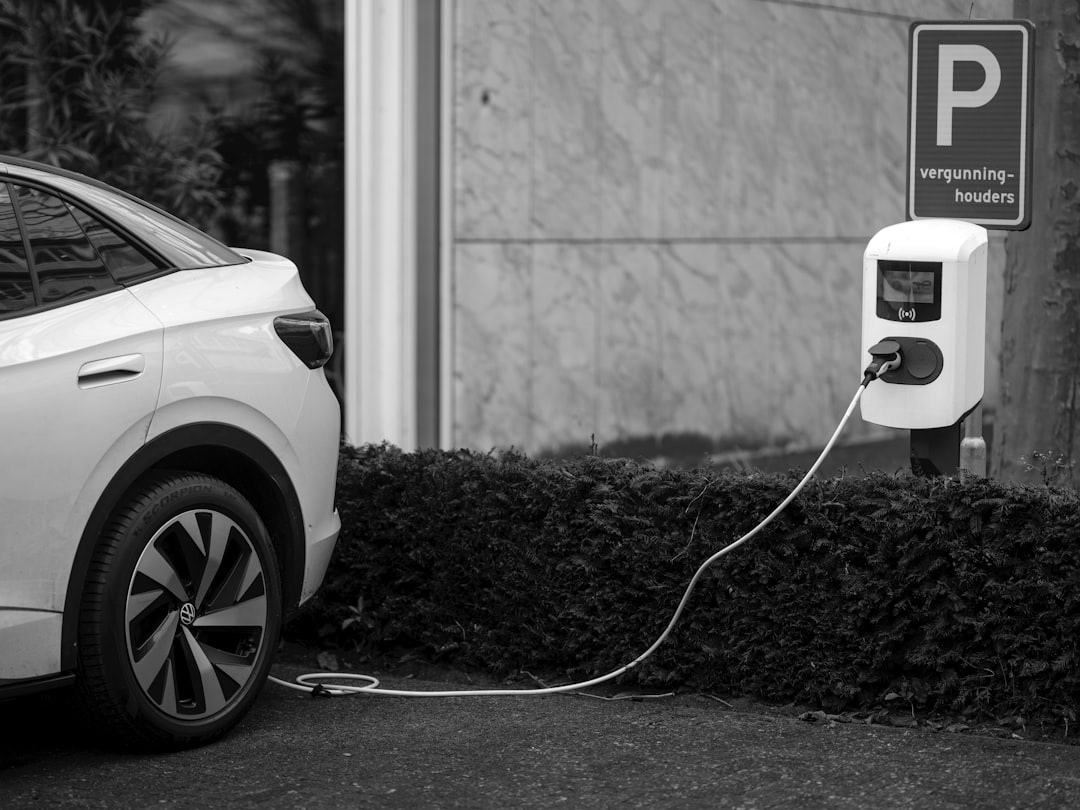
Volkswagen’s Vehicle-to-Grid technology allows EV owners to earn income and reduce costs by feeding electricity back into the grid, launching in 2026.
Volkswagen is taking a significant step toward the broader adoption of electric vehicles (EVs) with its innovative Vehicle-to-Grid (V2G) charging technology. This advancement promises not only to reduce the cost of EV ownership but also to transform these vehicles into an active component of the energy grid. Scheduled to launch in Germany by the fourth quarter of 2026, the system is set to enable EV owners to feed electricity back into the grid and earn financial compensation.
How Vehicle-to-Grid Works
At the heart of Volkswagen’s V2G system is the concept of bidirectional charging, which allows electric vehicles to both draw power from the grid and supply it back. Through this integration, the system turns an EV into a mobile energy resource capable of supporting the power grid during peak times or high demand periods.
Here’s how it works: EV owners will charge their vehicles primarily during off-peak hours, when electricity rates are lower. Later, when grid demand and electricity prices spike, the stored energy in the vehicle’s battery can be sold back to the grid. This not only generates income for the owner but also optimizes energy use in a way that benefits the overall grid.
Volkswagen sees this as more than just a tool for managing the fluctuating costs of electricity. The company envisions a fully integrated energy ecosystem where homes, vehicles, and the grid interact seamlessly. Martin Sander, member of Volkswagen’s Executive Board, explained the company’s ambition: “With Vehicle-to-Grid technology, we are significantly reducing home charging costs and, in the long term, moving toward virtually free charging.”
Financial and Environmental Benefits
For users, the financial benefits are compelling. According to Volkswagen, EV owners could cut their home charging costs substantially, saving an estimated 700 to 900 euros ($737–$947) annually using the V2G system. Over time, the company’s goal is to make charging “virtually cost-neutral” for its customers.
Beyond cost savings, V2G technology plays a major role in supporting energy sustainability. By returning unused energy to the grid, EV owners essentially act as micro energy hubs, alleviating pressure on centralized power plants and enabling more efficient use of renewable energy sources, like solar and wind.
A Seamless User Experience
Ease of use is key to encouraging widespread adoption of V2G technology, and Volkswagen is addressing this by automating most of the process. The system will comprise several components, including a bidirectional DC charger, a dynamic electricity rate, a smart meter, and a digital app. Through this app, users will be able to monitor and control their energy contributions while optimizing their mobility costs.
Giovanni Palazzo, CEO of Volkswagen’s energy subsidiary Elli, emphasized the importance of integrating vehicles, infrastructure, and the energy market: “The true value of Vehicle-to-Grid is only realized when these three elements are connected. That is precisely why we created Elli as the Group’s energy interface.”
Built on Proven Technology
Underpinning this ambitious system is Volkswagen’s Modular Electric Drive Toolkit (MEB) platform, which serves as the technological backbone for the company’s EVs. Starting in 2023, Volkswagen’s entire ID. lineup is built with bidirectional charging capabilities as standard. With the introduction of ID. Software 6, more models and battery configurations will be compatible with V2G.
One persistent concern about bidirectional charging is the potential impact on battery life. Volkswagen has addressed this by incorporating specific protection systems into the technology, ensuring that the additional cycling of batteries will not significantly affect their lifespan.
The Bigger Picture: A Network of Millions
Volkswagen isn’t stopping at a single market or a small-scale operation. The ultimate vision is to scale this technology across millions of vehicles and brands. The system is designed to adapt to energy markets in various countries, beginning with Germany before expanding into other European markets.
As more automakers and energy stakeholders invest in V2G technology, the concept is moving from niche innovation to mainstream application. Rather than being viewed as a standalone service, V2G is becoming a natural extension of home energy management and EV ownership.
Challenges and Opportunities
While the benefits of V2G are clear, there are some challenges to address. The system’s efficiency depends on energy market regulations and the pricing model for electricity. Owners must also adapt to the idea of their vehicle being more than just a mode of transportation but also a dynamic component of a home energy strategy.
Looking ahead, the success of Vehicle-to-Grid technology will likely depend on broader collaboration between automakers, energy providers, and governments. Incentivizing adoption through clear financial benefits and low barriers to entry will be essential for driving user uptake.
What’s Next for Volkswagen’s V2G?
Volkswagen’s focus on making V2G accessible to the general public underscores its commitment to advancing electric mobility on every front—cost, sustainability, and convenience. While the rollout begins in Germany, the company’s plans for wider adoption in Europe suggest that V2G could soon become a standard feature for EVs.
For EV owners, this development marks an exciting opportunity to not only lower their energy bills but also play an active role in shaping the future of energy consumption. By enabling vehicles to contribute to the grid, Volkswagen is turning the promise of electric vehicles into a more compelling and sustainable reality.
Staff Writer
Nina writes about new car models, EV infrastructure, and transportation policy.
Comments
Loading comments…


