Why the Transition to Electric Vehicles is Stalling
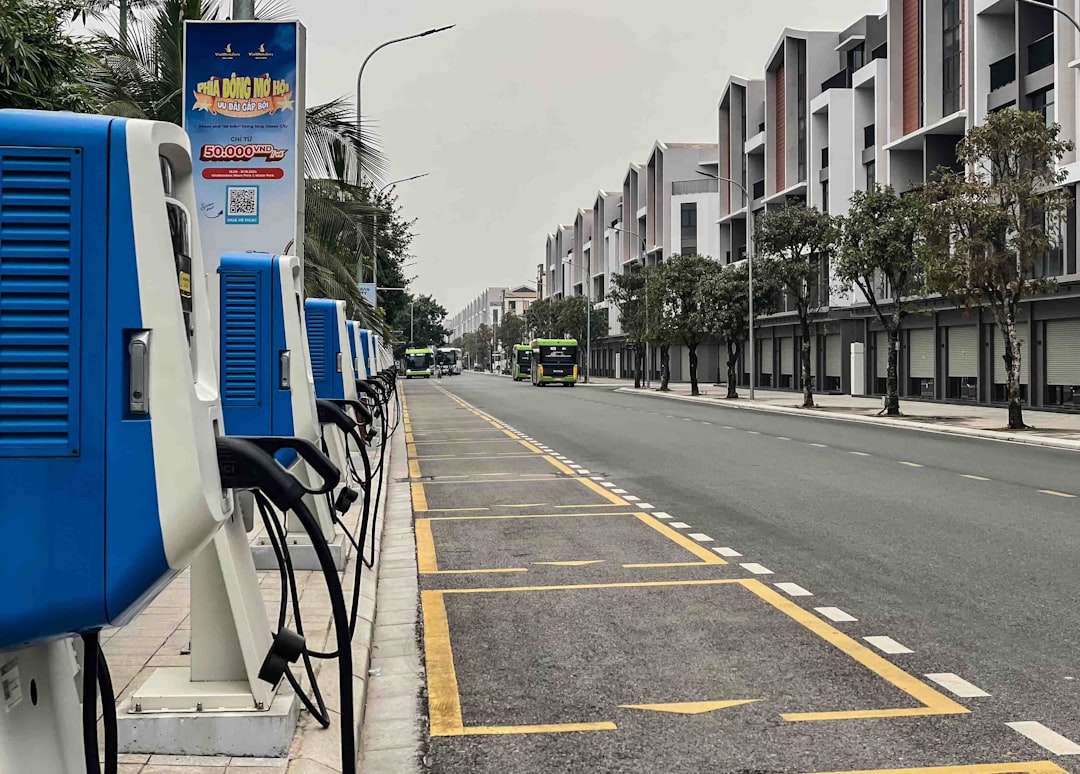
The shift to electric vehicles faces significant roadblocks, from infrastructure to global fuel crises—hindering widespread adoption.
The transition to electric vehicles (EVs) has been hailed as a cornerstone of the global push for sustainability and a necessary step to combat climate change. Governments and manufacturers alike have been investing heavily in this shift, but the reality remains stark: significant hurdles slow the progress of what many call the Verkehrswende, or "transportation revolution.”
Investment vs. Reality
One of the primary reasons for the delayed transformation lies in the economic and logistical resistance to large-scale investments in EV infrastructure. The argument is consistent: businesses and governments calculate that investments might only pay off over extended periods. While early adopters of EV technology can reap rewards if the transition gains quick momentum, a conservative approach to funding and development could mean opportunities are perpetually delayed.
The source material posits that had infrastructural investments, particularly in EV-specific projects, begun earnestly several years ago, the industry might be in a better position today. For instance, battery production facilities, EV charging networks, and supply chains for rare earth materials like lithium could have become more cost-efficient with economies of scale. Waiting, on the other hand, has prolonged financial return timelines on these investments, dissuading some stakeholders from a proactive commitment.
The Fuel Crisis Factor
In parallel, the conversation cannot ignore the broader global energy market issues. Fossil fuels—still forming the backbone of much of the EV-adjacent economy—have been subject to volatile supply chains and price fluctuations. Pointedly relevant is the persistent vulnerability linked to critical choke points in the world's fuel supply lines. Take, for example, the Strait of Hormuz: disruptions here cause domino effects that ripple through global markets, affecting production costs and consumer confidence simultaneously.
While EVs are commonly seen as a way to extricate transportation from the fossil fuel conundrum, the transition itself is ironically rooted in dependencies on those same resources, at least for now. Transport tankers, for instance, primarily rely on traditional fuels to deliver EVs and batteries worldwide. The report emphasizes that even if a massive ramp-up of EV production occurred, bottlenecks in traditional energy supplies could still hobble progress for weeks, or even months, depending on geopolitical tensions.
Infrastructure Gaps
One of the largest roadblocks in the broader adoption of EVs is the lagging infrastructure needed to support them. Charging stations, a fundamental necessity, remain far fewer than required in most countries. Urban centers may boast an improving network, but rural areas remain particularly underserved. Moreover, the speed of existing charging stations is often inadequate for mass adoption, leading to consumer hesitance.
Simply put, the lack of a cohesive, expansive charging network disincentivizes potential EV buyers. Addressing these gaps requires substantial government and private sector investment. Beyond just building more stations, innovations in charging speeds and standardization across vehicle types are critical for real-world usability.
Lessons from the Past
The report underscores how addressing infrastructural and energy investment earlier could have prevented many of the current predicaments. For example, if work on these issues had started in earnest during the so-called "22er Crisis,” the accumulated outcomes might have included resources that were more robust, affordable, and flexible. Today, delays have compounded, making the necessary transformations more expensive and complex. Policymakers now need to balance these long-since due actions alongside newer, emergent challenges.
Current Consumer Challenges
Even for those willing to adopt EVs immediately, affordability is a key concern. The high upfront costs of EVs make them less accessible for middle- and low-income households. While long-term cost benefits can offset the initial price due to lower fuel and maintenance costs, these savings don’t materialize instantly. This delay in economic payoff dampens widespread enthusiasm.
Furthermore, concerns about battery lifespan, replacement costs, and second-hand market value are creating additional resistance in the consumer base. Until these technological and economic perception-related hurdles are resolved, EV adoption rates are unlikely to skyrocket.
The Path Forward
For the so-called Verkehrswende to ultimately succeed, the various factors—economic, infrastructural, and geopolitical—must be addressed concurrently. Policymakers and businesses face the critical task of building trust among consumers, ensuring that investments now can prevent greater costs later.
Specifically, targeted investment in EV infrastructure and supply chains needs to occur quickly and at scale. At the same time, advancements in energy alternatives and innovations in battery technology must continue to reduce dependency on sensitive global supply lines—whether for fossil fuels or rare earth materials. Collaboration between governments, industries, and even the public is essential to ensure a sustainable transition.
Ultimately, the transition to electric vehicles is not just about swapping out traditional fuels for batteries. It requires a comprehensive, systemic overhaul of how society approaches transportation, energy, and technology. Failure to address these cascading challenges today risks long-term setbacks—not just for EVs, but for the broader goal of combating climate change itself.
Staff Writer
Mike covers electric vehicles, autonomous driving, and the automotive industry.
Comments
Loading comments…


