Wisconsin advances electric vehicle charging network despite funding challenges
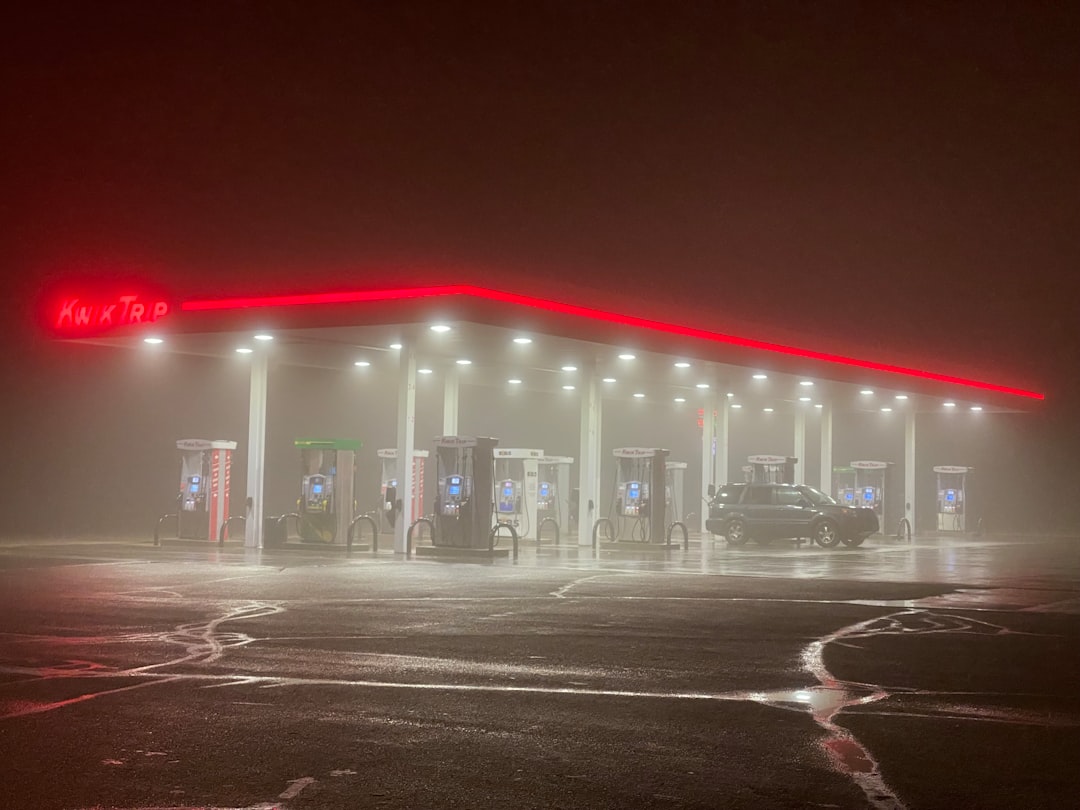
Wisconsin's EV charging network continues to expand, with 21 new stations open, despite efforts to reduce federal funding for the program.
Wisconsin's electric vehicle (EV) owners and enthusiasts have reason to be optimistic as the state's EV charging infrastructure continues to expand. The initiative, launched with the support of $78 million in federal funding under the Biden administration, envisions a robust network of 78 charging stations. These stations, strategically placed within 50 miles of each other, aim to facilitate seamless long-distance travel for EV users.
Progress and Current Status
As of now, 21 of the 78 planned stations are operational, according to Christina Boardman, Secretary of the Wisconsin Department of Transportation. The operational sites are located primarily off the interstate highway system, with additional stations in various stages of preconstruction, equipment finalization, or waiting for components to arrive. Locations such as Marinette and Wausaukee have already welcomed their first EV stations, and the popular I-41 corridor is expected to see significant EV infrastructure growth from Fond du Lac to Green Bay, with three key stations planned in the latter city alone.
The remaining stations will fill gaps throughout the state and provide crucial coverage to underserved areas. These projects are essential, not only for Wisconsin residents but also for visitors who rely on the growing EV charging infrastructure during summer travel and beyond.
Federal Funding Controversy
While Wisconsin continues to make strides, the program faced potential setbacks when federal efforts sought to reclaim $62 million of the allocated funding. The Biden administration initially awarded the funds to catalyze EV infrastructure growth across the country. However, subsequent attempts to redirect or claw back a significant portion of this funding were blocked by a federal court. This ruling ensured that the funding could remain in Wisconsin, allowing construction and installations to continue as planned.
The $78 million grant is part of a broader national push to accelerate the adoption of EVs by addressing one of the major barriers to entry: access to reliable and widespread charging. By placing the stations no more than 50 miles apart, Wisconsin aims to eliminate 'range anxiety,' a common concern among potential EV buyers.
Strategic Importance of the Network
The emerging EV charging network is set to significantly impact both state residents and broader U.S. infrastructure efforts. By focusing on locations off the interstate system, many stations are situated at gas stations or near rural areas, ensuring accessibility to a diverse set of users. For example, while the I-41 corridor is under heavy construction due to expansion, the planned EV stations will not face delays as they are independently sited to meet current needs. This strategy reflects a flexible approach to balancing ongoing infrastructure projects with immediate charging needs.
The initiative is expected to help Wisconsin align with national goals for reducing carbon emissions and increasing the adoption of battery-powered transportation options. For businesses and municipalities, the network could attract new customers and tourists traveling in electric vehicles.
Challenges and Future Prospects
Although the progress is notable, challenges remain. The unpredictable supply chain for equipment has caused delays for some stations. Additionally, questions about long-term state funding and administrative hurdles could impact the future expansion of the network. However, with 21 stations already operational and others close to completion, the state is forging ahead confidently.
On a broader scale, Wisconsin's EV infrastructure buildout aligns with national trends. Federal funding programs, such as those tied to the Bipartisan Infrastructure Law, are pushing similar initiatives in other states to ensure a cohesive EV network across the nation. This collective effort underscores the importance of interconnectivity—allowing EV users to travel seamlessly beyond state boundaries.
Why It Matters
For EV owners, the expansion of charging access represents newfound freedom. Where gaps in the network previously forced detours or limited long-range travel, the completion of Wisconsin’s current plans could eliminate such obstacles. Moreover, the state's commitment to electrification supports the broader goals of reducing dependence on fossil fuels and promoting sustainable transportation options.
As summer travel season approaches, the existing and new charging stations are anticipated to see increased usage, demonstrating the demand for further development. Wisconsin’s approach could also serve as a model for other states grappling with similar logistical and funding challenges.
While funding disputes briefly threatened the program, Wisconsin’s continued focus on development showcases resilience and a forward-thinking approach to EV infrastructure. For the state's drivers and local economy, this growing network isn’t simply about convenience; it’s about meeting a rapidly evolving demand for clean, accessible transportation solutions.
Staff Writer
Mike covers electric vehicles, autonomous driving, and the automotive industry.
Comments
Loading comments…


