Analyzing 'Cold Storage (2026)': A Chilling Narrative of Bio-Containment and Human Struggle
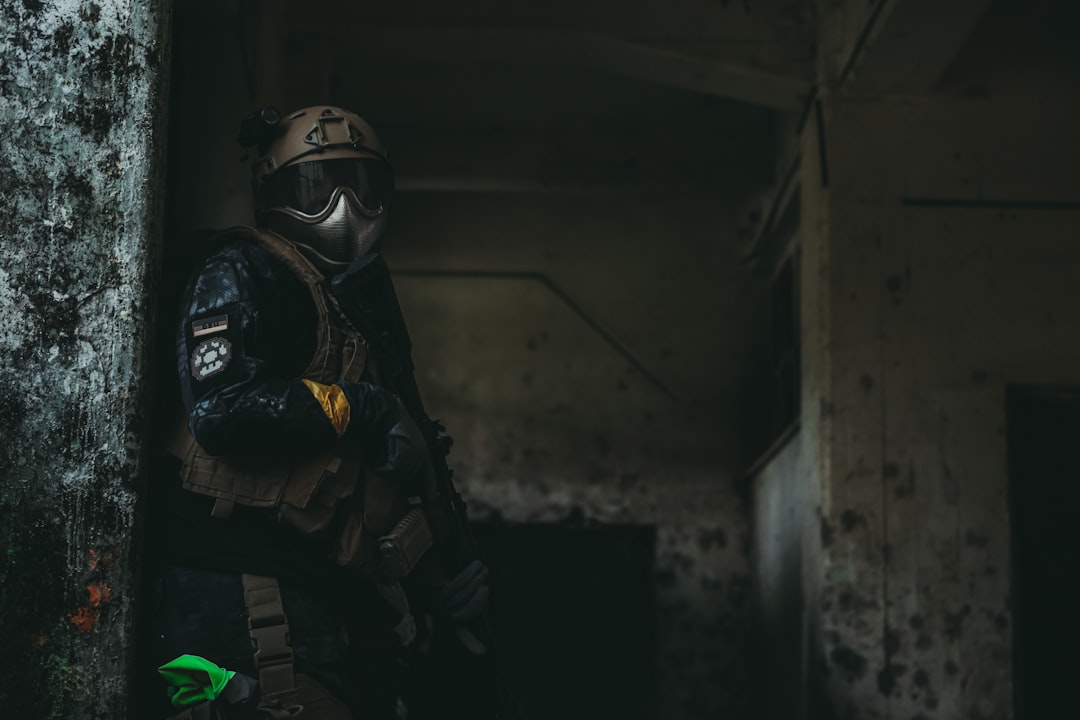
The sci-fi thriller 'Cold Storage' crafts a gripping tale of a viral outbreak and humanity's desperate attempt to contain a mutating parasite with dire consequences.
The 2026 sci-fi thriller, Cold Storage, presents an intense narrative that combines biological horror and a suspenseful race against time. Packed with moments of dread and human resilience, the film delves into the consequences of a long-forgotten, intelligent fungal parasite re-emerging to threaten humanity. Below is a detailed breakdown of the movie's storyline, its central themes, and the cinematic elements that distinguish it.
Rediscovering a Forgotten Threat
The story spans decades, beginning in 1979 when a NASA space station named Skyb unexpectedly falls out of orbit. While a large part of it disintegrates upon re-entry, small but crucial fragments survive, including a storage tank containing a dangerous parasitic fungus known for its unique ability to adapt to different hosts. NASA believes it retrieves all fragments; however, as the film unfolds, this assumption proves costly.
Fast-forward to present day, the dormant threat awakens unexpectedly in a government storage facility. This parasite, both intelligent and fast-spreading, escapes containment, unleashing catastrophic effects and placing all of humanity at risk. The narrative follows a small group of characters as they attempt to suppress the outbreak before it spirals completely out of control.
The First Signs of Disaster
The reactivation of the fungus begins when Dr. Martins, a NASA researcher, is summoned after facility employees report unusual deaths. Arriving at the scene with federal agent Robert and soldier Romano, Dr. Martins explains the origin of the tank and its deadly contents—a parasite designed to take control of its hosts and evolve with their biology. While investigating, the group discovers that the fungus has breached its containment. Their analysis reveals its ability to thrive on living flesh, prompting urgent evacuation plans. However, exposure happens too quickly. Dr. Martins herself becomes the parasite's first modern casualty, succumbing violently as the organism overtakes her body and uses her as a vector to spread further.
Rising Body Count and Unchecked Spread
The facility’s gruesome state grows worse as the group uncovers dozens of corpses. All bear signs of being manipulated by the fungus, which appears capable of overriding its hosts' cognitive functions and molding them to assist its spread. Suspense heightens as the infected corpses and the parasite's airborne nature amplify the danger. Despite attempts to secure samples and plan a sanitization effort, the parasite's resilience proves overwhelming. Any direct action risks further loss of containment.
Shifting to the Present
While the earlier segment of the movie depicts an isolated outbreak, the second act shifts to an ordinary-looking storage building in the present day. The facility now houses civilians and has long since been declassified as a high-threat site. Here, we meet Travis, a well-meaning yet troubled night guard attempting to live an honest life after being released on parole. His mundane work environment soon becomes a battleground as strange sounds and signals lead him to uncover sealed-off areas of the building.
Naomi, a new hire with her own personal struggles, joins Travis shortly before strange incidents start unfolding. Both are drawn to hidden compartments within the facility, which were formerly used to contain the parasite. Unbeknownst to them, the once-dormant fungus has managed to breach this space over time, feeding on small wildlife and debris in the area. As the infected environment worsens, events escalate rapidly.
Tensions Between Protocol and Survival
The narrative gains additional complexity with the introduction of Robert, a hardened bio-threat response agent who investigates abnormal temperature spikes at secure sites. Collaborating with secondary characters like Abigail, Robert highlights conflicts between bureaucratic inaction and the urgency required to deal with bio-containment collapses. His repeated warnings about the potential global impact of even minor containment failures showcase the stakes but fall on deaf ears with some elements of the chain of command.
Back at the storage facility, Travis and Naomi's investigation leads them deeper into danger as they bypass sealed barriers and unknowingly release the parasite further. The film juxtaposes their naivety with Robert's informed panic, creating a tense dynamic as the global threat surpasses local containment.
Infection’s Evolution in the Local Environment
One striking element of Cold Storage lies in its portrayal of infection. The film doesn't rely solely on human hosts. Wildlife like deer and even insects play roles in demonstrating the parasite's versatility. For instance, a deer violently explodes after being overtaken, spreading infection further within the building. Later, Travis and Naomi face terrifying encounters with mutated, fungus-controlled rats and a chilling sequence involving Naomi’s infected boyfriend, Nick, who becomes a grotesque and tragic antagonist.
Nick’s transformation highlights the emotional toll of infection. Unlike other parasitic zombie horror movies, Cold Storage uses infected hosts to invoke pity alongside fear. Several scenes, including an elderly woman wrestling with despair after losing loved ones, add emotional depth beyond pure action.
Choosing Annihilation
The film’s climax accelerates after Robert realizes there is no viable long-term containment. With limited time, he devises a plan to destroy the facility using a nuclear device. This nuclear option, while controversial, underscores the ethical dilemmas explored throughout the narrative. Is it worth risking dozens of lives for the chance to save millions from impending doom?
As countdown timers run, final scenes focus on Travis and Naomi navigating through chaos as the fungal hive retaliates. Their personal arcs reach resolution when they sacrifice comfort for courage. Robert, injured but determined, holds the external perimeter despite clashing with superiors, indicating the institutional failure that has shadowed the crisis from the beginning.
In the end, the parasite is obliterated along with the facility, but not before leaving countless scars—personal, physical, and structural—on everyone involved.
Themes of Humanity and Containment
Cold Storage succeeds in weaving a tense biological thriller with broader questions about human fallibility. From the failure of government agencies to anticipate long-term risks to individuals’ psychological battles in extreme circumstances, the movie explores themes beyond traditional sci-fi horror. It raises questions about how societies prioritize containment over cure and the intersection of bioengineering ethics with corporate negligence.
Final Thoughts
While the film thrives on suspense and horror, the weightiest part of Cold Storage lies in its characters’ attempts to navigate the near-impossible. Humanity’s perpetual struggle against forces greater than itself—biological, technological, or bureaucratic—makes the story deeply resonant. Cold Storage proves to be not just a cinematic thrill ride but also a cautionary tale about the delicate balance between scientific exploration and unintended consequences.
Staff Writer
Jordan covers movies, streaming platforms, and the entertainment industry.
Comments
Loading comments…


