Markiplier’s 'Iron Lung' Dominates Theaters and Mozart AI Reshapes Music Rights
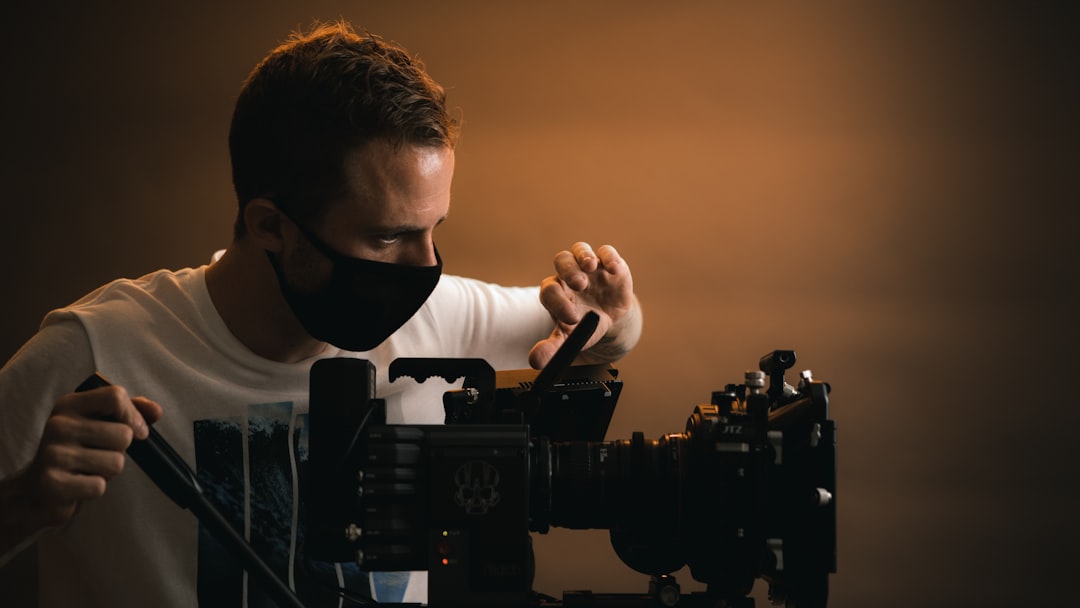
Markiplier's 'Iron Lung' secures $37M in box office success, Mozart AI promises clean music rights, and Wasserman Talent faces mass artist exodus.
The entertainment industry has had a week filled with milestones, controversies, and changes. From a YouTube creator's cinematic triumph to a groundbreaking AI music platform, and a talent agency facing backlash, here’s what you need to know.
Markiplier’s 'Iron Lung' Competes with Major Studios
YouTube creator Markiplier has made waves with his film Iron Lung, proving that independent, creator-driven content can compete with Hollywood heavyweights. Written, directed, and self-financed by Markiplier, the film achieved remarkable box office success, debuting at #2 in North America during its opening weekend.
Iron Lung, which cost only $3 million to produce, brought in $17.8 million during its first weekend and has since grossed more than $37 million at the box office. These figures underscore a vital trend: creators outside the studio system have the opportunity to thrive in theaters, provided they bring strong storytelling and a dedicated fan base.
Fans and analysts alike are pointing to this success as a beacon for other content creators. The financial performance of Iron Lung demonstrates that thoughtful investments in creative, independent films can yield substantial returns, even when competing against traditional studios with much larger budgets.
Mozart AI: A New Era for Music Creators
The rise of AI tools in creative industries has spurred both opportunity and skepticism. Mozart AI, a new app focused on AI-assisted music creation, is tackling these challenges head-on. Unlike other generative apps, Mozart AI uses licensed material exclusively, ensuring that creators maintain 100% commercial ownership of their work.
Here’s why this matters: Many AI music platforms rely on datasets created from unlicensed sources (songs or tracks owned by other artists), leaving new compositions in legal limbo. Mozart AI sidesteps this problem entirely by ensuring its training process respects intellectual property rights. With $6 million in recent funding, the platform is on track to empower musicians, hobbyists, and professionals alike.
- Key Features of Mozart AI:
- Full commercial rights for songs created using the platform
- Integration with personal input, allowing users to upload their own vocals or tracks
- Tools for fine-tuning music in collaborative ways
Some early adopters have already reported impressive earnings, with independent musicians making between $3,000 and $5,000 monthly by distributing their AI-assisted hits. For those who dream of earning royalties like major artists, this platform could democratize access to music profits.
Wasserman Talent Agency Plunges into Crisis
In stark contrast to the innovations of Iron Lung and Mozart AI, the Wasserman Talent agency faces severe reputational damage this week. A growing list of prominent artists, including Chappell Roan, the Dropkick Murphys, and others, have distanced themselves from the company following allegations linked to CEO Casey Wasserman. Emails from over two decades ago revealed ties between Wasserman and controversial figure Ghislaine Maxwell, causing outrage among the agency’s roster.
Although Wasserman has apologized, the fallout has been substantial. Artists departing the agency have cited ethical concerns, and top agents within the organization are now calling for leadership restructuring. One of Hollywood’s most influential agencies, Wasserman Talent’s future is uncertain, as its ability to weather the storm depends on internal changes and public perception.
What These Developments Mean for Entertainment
Each of these stories reveals different facets of an industry at a crossroads:
- The success of Iron Lung highlights the growing relevance of creator-driven, low-budget projects. Filmmakers no longer need to rely solely on major studios, provided they harness their creativity and leverage their platforms effectively.
- Mozart AI represents a turning point for the music industry, showing how ethical practices regarding AI training can build trust and create viable opportunities for independent musicians.
- The controversy surrounding Wasserman Talent underscores the importance of accountability and ethical leadership within powerful organizations.
As each of these stories unfolds, they reflect shifts in how creators, audiences, and businesses interact within the entertainment world.
FAQ
How much did Iron Lung earn at the box office?
The film grossed $17.8 million during its opening weekend and has surpassed $37 million to date.
What makes Mozart AI different from other AI music platforms?
Mozart AI exclusively uses licensed material for training, ensuring that users own 100% of the commercial rights to their creations.
Why are artists leaving Wasserman Talent?
Artists are severing ties due to ethical concerns following the release of old emails between CEO Casey Wasserman and Ghislaine Maxwell.
Are AI-assisted music tools profitable for independent artists?
Yes, some users of Mozart AI are earning $3,000 to $5,000 per month by distributing songs created with the platform.
What’s next for Wasserman Talent?
The agency’s future remains uncertain as internal calls for leadership changes continue to grow.
Final Thoughts
Whether it’s Markiplier’s success with Iron Lung, the innovative approach introduced by Mozart AI, or the ongoing challenges faced by Wasserman Talent, it’s clear the entertainment landscape is evolving rapidly. These milestones provide opportunities for creators and organizations to adapt, innovate, and meet changing expectations.
Staff Writer
Jordan covers movies, streaming platforms, and the entertainment industry.
Comments
Loading comments…


