Michael Jackson biopic sparks a billion-dollar controversy
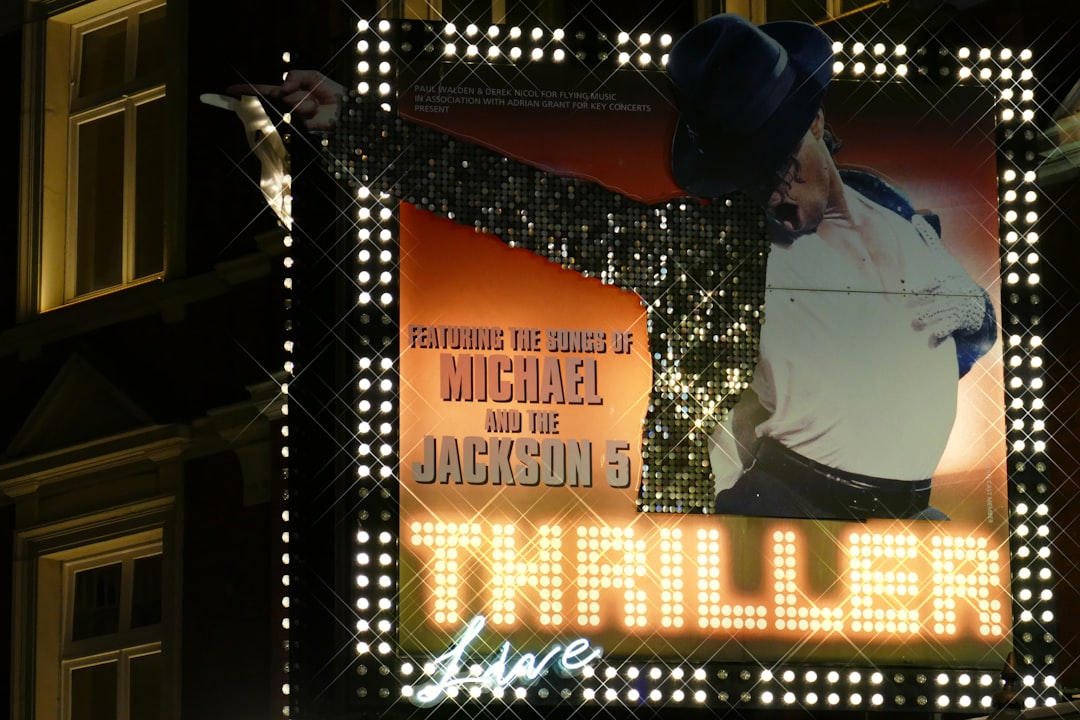
The Michael Jackson biopic triumphs at the box office, but critics accuse it of rewriting history to omit controversies at the heart of the pop star's life.
In its opening weekend, Michael, the highly anticipated biopic of Michael Jackson, defied expectations, obliterating box office records and igniting a firestorm of debate. With a jaw-dropping $180 million global gross over its debut weekend, the film has rocketed past benchmarks set by previous musical biopics. But while fans cheer and critics sneer, the film raises critical questions about the balance between artistry, truth, and the historical legacy of one of pop culture's most iconic – and controversial – figures.
A record-breaking success
Directed by Antoine Fuqua (Training Day), Michael has already stamped itself as a cultural phenomenon. Bolstered by an electrifying lead performance by Jafar Jackson – Michael Jackson’s real-life nephew – the movie has captivated audiences worldwide. Packed theaters from London to Tokyo have erupted in cheers, with reports of viewers dancing in the aisles, singing along to Billie Jean, and calling the film a masterpiece. Its Rotten Tomatoes audience score stands at an enviable 96%, the highest ever for a musical biopic.
The film’s financial performance is staggering: a $12.6 million opening night in North America, followed by an $85 million domestic haul and $180 million globally. Projections place the movie’s trajectory on a clear path to surpass the billion-dollar mark, especially considering its reported $200 million production budget. For Lionsgate, the studio behind it, Michael represents its largest post-pandemic success, sparking conversations that the King of Pop's appeal is as potent as ever.
Nostalgia and artistry fuel its appeal
The film’s global success is powered by its dual dependence on nostalgia and Jafar Jackson’s uncannily convincing performance. Blending Jafar’s live vocals with Michael’s original recordings during the music sequences, Michael immerses audiences in recreations of landmark moments like the Motown 25 special and the Bad world tour. Fuqua’s direction injects blockbuster energy into the narrative, portraying a rags-to-riches tale intertwining Jackson’s struggles under an overbearing father with his unprecedented artistic rise.
Its feel-good narrative has struck a chord with audiences, offering a glowing portrait of Jackson’s genius and humanity. For fans, it’s an opportunity to relive the magic of a generational talent and celebrate his peak success in the 1980s. By focusing sharply on Jackson’s creative brilliance and triumphs, it hands fans the uplifting story they’ve long craved to see on the big screen.
Critics call it a “whitewash” of history
In contrast, critics have been far less impressed. Garnering a meager 40% score from critics on Rotten Tomatoes, Michael has been blasted as a sanitized, one-sided hagiography. While the film meticulously recreates Jackson’s legendary moments, from groundbreaking music videos to his chart-topping tours, it omits significant chapters that would provide a fuller picture of the man behind the icon.
The film deliberately ends with Jackson at his height in 1988, avoiding the most controversial and dark parts of his life – including the 1993 child sexual abuse allegations, the 2005 trial where he was acquitted, the raids on Neverland Ranch, his struggles with prescription medication, and his shifting public image. This glaring omission has led many to accuse the creators of sanitizing history to protect Jackson’s legacy.
The initial script by Oscar-nominated screenwriter John Logan reportedly delved into these darker chapters. Fuqua himself admitted to having shot scenes showing Jackson’s treatment during investigations. However, in post-production, legal concerns reportedly tied to past settlements and the financial sway of the Jackson estate led to significant rewrites and reshoots. The ending was refashioned to conclude at an uncontroversial high point in Jackson’s career, avoiding contentious territory altogether.
A billion-dollar image campaign?
For skeptics, Michael is less a biopic and more a strategic piece of marketing supported by the Jackson estate, which holds vast financial interests in safeguarding Jackson’s image. They argue that the omission of controversies creates a portrait designed to celebrate, rather than interrogate, the legacy of one of the most complicated figures in modern entertainment.
Critics describe the film as “frustratingly shallow” and more akin to a greatest-hits music package than a serious exploration of its subject. The absence of figures like Janet Jackson or an honest probe into Michael’s psyche has amplified concerns that it sacrifices truth at the altar of commercial appeal. The contrast between the critical and audience reception highlights a deeper divide over what a biography should accomplish: to inspire and entertain – or to illuminate and challenge.
A cultural fault line
The clash of perspectives over Michael runs deeper than the Rotten Tomatoes scores. Online, fans and critics have turned the debate into a full-blown “civil war.” Platforms like X (formerly Twitter), Reddit, and TikTok bear evidence of this digital friction. On one side, diehard Jackson supporters see the glowing audience reviews as a vindication of their idol, framing the film's success as a rejection of years of what they consider unfair media treatment. For this camp, the absence of controversies isn’t evasion but vindication.
Critics of the film, however, argue that its whitewashed narrative represents a missed opportunity to grapple with vital questions about separating art from the artist. They point out that Michael's box office success is fueled in part by audiences’ unwillingness to reckon with Jackson’s complexities. For them, the movie is a dangerous act of historical revisionism, advancing a comforting myth at the expense of historical integrity.
Divisions within Michael Jackson’s own family have added fuel to the conversation. While prominent endorsements came from family members like Jafar’s grandmother, Katherine Jackson, and his brother Prince as a producer, his daughter Paris has reportedly criticized the final script. Her dissent highlights the difficulty of portraying a complicated legacy – even within the family.
What’s the purpose of a biopic?
The debate over Michael touches on a larger issue: the function of a biographical film. Should a biopic celebrate an artist’s achievements or confront their entire truth, no matter how uncomfortable? The film suggests one answer, choosing spectacle over substance. Its record-breaking box office performance confirms that many audiences prefer feel-good nostalgia to grim interrogation. But in doing so, it raises pressing cultural questions about accountability, memory, and the responsibilities filmmakers bear when interpreting history for mass audiences.
Ultimately, Michael showcases both Hollywood’s power to craft narratives and the enduring global fascination with the King of Pop. But its profound omissions make it equally a symbol of the compromises and controversies shaping creative storytelling today.
Staff Writer
Jordan covers movies, streaming platforms, and the entertainment industry.
Comments
Loading comments…


