'Mostly' puppets? Behind the push—and pull—of practical effects
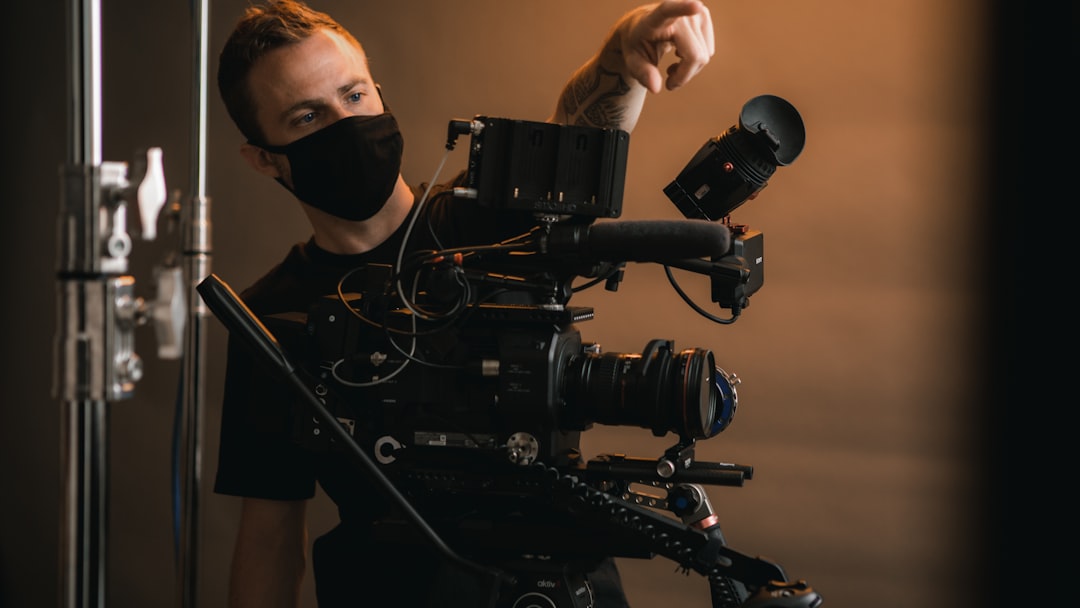
A debate over practical puppetry and CGI reveals the tension between cinematic realism and digital enhancement.
The age-old debate between practical effects and computer-generated imagery (CGI) has reemerged with a new kind of scrutiny. A recent interview with a showrunner—combined with insights from behind-the-scenes footage—has sparked skepticism about claims of heavy reliance on practical puppetry during the production of certain sequences in a yet-unnamed project. While the visuals on screen are being praised, the rhetoric around how they were created is being called into question. Let’s unpack what happened and why this discussion matters to the larger world of visual effects.
The Claim: "Mostly" Practical Effects
The controversy stems from comments made by the showrunner of the project, who suggested that real, in-camera puppetry was used "as much as possible" during filming. On the surface, this seems like an homage to the storied history of practical effects—physical models, puppets, prosthetics, and other non-digital techniques often praised for their tangibility and realism. "This is the kind of realism you can only get with practical assets," the showrunner reportedly stated during the interview.
Skepticism From the Community
However, this statement didn’t sit well with some industry observers, particularly VFX professionals and tech-savvy audiences who noticed discrepancies between the behind-the-scenes narrative and the final on-screen product.
Critics pointed out that the movement of the practical puppet in question, which featured prominently in promotional footage, appeared too mechanical—reminiscent of old-school animatronics such as those found in Chuck E. Cheese entertainment venues. One observer noted: "There’s no way this is making it to the final shot. None of that movement is practical." This led to the belief that what audiences saw on screen was largely, if not overwhelmingly, computer-modified or entirely CGI.
What Practical Effects Offer
To the showrunner’s credit, starting with a practical asset does offer significant advantages in filmmaking. Having a tangible puppet on set provides invaluable context for actors engaging with the prop, lighting crews for establishing realistic reflections, and technical teams for creating visual coherence. This process, often called "informing intent," means the practical asset serves as a creative and technical foundation, even if it is later heavily enhanced or replaced in post-production.
For these reasons, the inclusion of a practical puppet—even if supplemented extensively by CGI—is not entirely disingenuous. It streamlines collaboration during shooting and ensures better continuity as all departments work from the same visual reference.
The Reality: CGI Takes Over
Despite the initial claim, insiders close to the production have acknowledged that over 99% of what viewers ultimately see on screen is computer-generated. The practical puppet, while constructed with great care and detail, served more as a reference point than the finished product. According to one behind-the-scenes account, the practical puppet’s "head was well-made," but it was handed over to a team of digital artists to refine, enhance, and ultimately create the intricate, lifelike movements needed for the final cut.
This workflow—starting with a physical model and completing it digitally—is increasingly common in modern filmmaking. It blends the realism and artistic grounding of practical effects with the precision and flexibility of CGI. However, some critics feel that leaning too heavily on software while framing the process as "practical" misrepresents the role each technique really plays. "It’s like making a hundred bowls of poke and saying you used real crab whenever possible," one detractor remarked. "If only one bowl has a tiny portion of crab, is it fair to claim that as the defining ingredient?"
A Question of Transparency
This debate raises broader questions about transparency in the film industry. When showrunners or directors promote the use of practical methods, it generates excitement among fans nostalgic for a pre-CGI era—think Jim Henson’s puppetry in The Dark Crystal or the animatronics used in Spielberg’s Jurassic Park. However, if nearly all of those practical elements are replaced or heavily modified in post-production, does this constitute "misleading" rhetoric? Some argue it does.
The push to highlight practical effects, even when CGI dominates the final product, might stem from the perception that audiences trust practical methods more. There’s a growing sense that digital effects are overused, leading to criticism of "uncanny valley" visuals. By framing a project as reliant on practical artistry, studios may seek to soothe those fears—even if the truth is more nuanced.
Why This Matters
This ongoing debate highlights the evolving role of visual effects in storytelling. The combination of practical and digital methods isn’t just a technical decision—it’s a philosophical one, rooted in audience expectations and creative intent.
For actors and cinematographers, practical assets are undeniably useful. They ground performances, simplify lighting considerations, and create physical references for the filmmakers. For visual effects teams, CGI offers possibilities that physical methods can’t match: fluid movements, large-scale battle sequences, and creatures that defy physics.
Neither approach is inherently superior, but transparency matters, especially when filmmakers market a project based on its supposed adherence to "classic" methods. Misleading rhetoric can undermine trust and disrespect the immense contributions of visual effects artists, whose work is often downplayed in favor of romanticized practical techniques.
A Balanced Path Forward
Perhaps the solution lies in reframing the discussion. Instead of elevating practical effects as a "purer" form of artistry, filmmakers could emphasize how both practical and digital techniques complement each other. A puppet on set doesn’t need to replace CGI—it enhances it. By crediting both departments equally, the industry could move toward a more honest and collaborative representation of the cinematic craft.
As technology evolves, the line between practical and digital will blur further. For now, the debate sparked by the "mostly" practical puppetry claim serves as a reminder of the importance of clarity—and the fine balance between tradition and innovation—in modern filmmaking.
Staff Writer
Jordan covers movies, streaming platforms, and the entertainment industry.
Comments
Loading comments…


