This is what we would call AI slop
A viral unboxing video shows the gap between AI-generated product images and real-world junk, highlighting a growing problem in e-commerce.
A short video clip making the rounds online captures something that will feel painfully familiar to anyone who has shopped on Amazon, Etsy, or AliExpress in the last year. The footage shows a group of people unboxing what was advertised as a glowing, three-dimensional cloud lamp — the kind of ethereal decor that looks like a fluffy cumulus cloud suspended in midair with a warm, ambient glow.
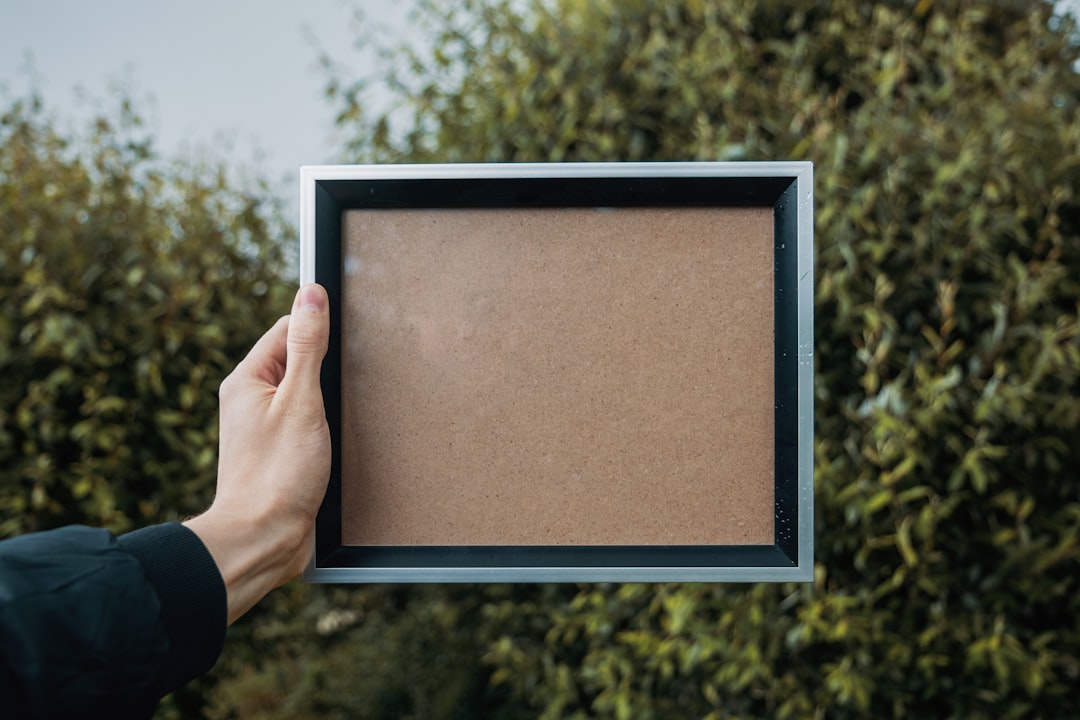
What they pull out of the box is a thin picture frame with a printed cloud on it. The reaction is immediate and unfiltered.
"What in the hell?" one person says.
"It's not as big," another notes.
"Show them the back," someone demands. The back is just a flat board with a wire.
"Did it come with a board?" asks a third voice.
The answer is obvious: it's just a picture frame. The disappointment builds until one of them dims the lights. The frame has a faint backlight, and for a moment the mood shifts. "Now I'm falling in love," someone says sarcastically. Then reality sets back in: "Boy, it's not as good, is it?"
The third person delivers the final verdict: "This is an art project. I would be so disappointed."
Another observer chimes in with a grimly funny observation: "I get a strong breeze and the thing's going to blow right away just like a real cloud. I hope you don't have a ceiling fan."
The clip, which was reshared on X (formerly Twitter) with the headline "This is what we would call AI slop," is a perfect, condensed case study of a problem that is only getting worse: AI-generated product images that bear little to no relation to the actual item for sale.
How AI slop gets made
The term "AI slop" has been circulating for a while to describe low-quality, mass-produced content generated by artificial intelligence — think endless AI-written blog posts, auto-generated YouTube videos, or Midjourney art sold as prints. But the phenomenon has spread aggressively into physical products, especially on platforms where sellers can list items quickly with little oversight.
A seller creates a listing with a stunning AI-generated image. The prompt might be something like "glowing cloud lamp, photorealistic, soft warm light, floating in a cozy bedroom." The output looks magical. The price is low. The algorithm pushes it to the top of search results. A customer clicks "Buy now."
What arrives is not the glowing cloud from the AI dreamscape. It is a cheap picture frame with a built-in LED, mass-produced for a few dollars, perhaps drop-shipped from a factory that has never seen the original AI image. The packaging is flimsy. The materials are disappointing. The whole experience feels like a bait-and-switch.
And yet, the listing stays up, collecting more orders from people who didn't see the unboxing video.
A pattern, not an outlier
This particular cloud lamp incident is part of a larger trend. Over the past year, tech journalists and consumer advocates have documented dozens of examples: AI-generated furniture that looks impossible to manufacture, AI-generated clothing with patterns that don't exist in physical fabric, AI-generated electronics with nonexistent ports. The common thread is that the product image is generated by AI, not photographed from a real prototype.
In many cases, the seller never even intends to produce the item shown. They list an AI-generated design, see which ones get orders, and then scramble to source the cheapest possible approximation. The buyer ends up with something that barely resembles the listing.
The practice has become so widespread that some e-commerce platforms have started taking action. Amazon updated its seller policies in late 2024 to require that product images represent the actual item, not a conceptual rendering. Etsy has guidelines against "misleading images." But enforcement is inconsistent, and the sheer volume of listings makes manual review impossible.
Who loses when AI slop wins
The immediate losers are the buyers. They lose money, time, and trust. A $26 cloud lamp is not a life-ruining purchase, but the frustration is real. The video captures that: the shift from excitement to confusion to disappointment is almost painful to watch.
But the long-term losers are the legitimate sellers. Small businesses and independent makers who actually photograph their products, invest in quality materials, and ship real items are competing against listings that cost nothing to create and nothing to maintain. Their handcrafted lamps, carefully designed and tested, get buried beneath a tide of AI-generated fantasies.
Then there are the platforms themselves. Consumer trust in online marketplaces is eroding. A 2024 survey from the Better Business Bureau found that nearly a third of online shoppers reported receiving an item that looked significantly different from its listing image. AI slop accelerates that distrust.
What consumers can do
The video offers a few clues for spotting fakes. Look at the back of the product. If the listing only shows one angle — the perfect front-facing shot — that is a red flag. Search for unboxing videos or customer review photos. If the listing has no reviews, or only generic five-star text reviews, be suspicious.
Pay attention to the price. A $26 "cloud lamp" that looks like a high-end design piece probably is not a design piece. The classic rule holds: if it looks too good to be true, it's probably AI.
Use reverse image search. Right-click the product image and search Google or Bing for it. If the same stunning photo appears across multiple sellers with different names, it is likely an AI-generated stock image that nobody actually manufactures.
What comes next
Platform improvements will help, but they are not a silver bullet. Amazon and Etsy could require sellers to upload a photo of the actual product before the listing goes live. That would slow down the listing process and add friction, but it would also stop the worst offenders. Smaller platforms with less moderation will continue to be a haven for AI slop.
Another possibility is that AI detection tools will evolve to spot AI-generated product images before they get posted. But as fast as detection improves, generation improves faster.
For now, the best defense is skepticism. The cloud lamp unboxing video is a reminder that AI-generated images are not product photos. They are aspirations, not inventory. And as the clip's narrator says with weary resignation: "This is what we would call AI slop."
Staff Writer
Jordan covers movies, streaming platforms, and the entertainment industry.
Comments
Loading comments…


