Analyzing Alleged Market Manipulation Linked to Trump and Its Impact on Global Markets
Alleged market manipulation tied to Trump raises concerns of insider trading. Here's how it affects S&P 500, Bitcoin, oil, and other key markets.
Allegations of market manipulation involving figures tied to former President Donald Trump have once again raised eyebrows, sparking debate over the integrity of financial markets. The discussion centers on unusual trading volumes in the S&P 500 futures and oil markets timed suspiciously before Trump's announcements related to geopolitical events. With allegations ranging from insider trading to exploiting regulatory gray areas, traders are questioning how to adapt in such volatile conditions.
Unusual Market Activity and Allegations of Insider Trading
Several sharp movements in financial markets have been linked to insider trading allegations involving the Trump administration or associated individuals. Key evidence includes a large $1.5 billion position in S&P 500 futures and an approximate $200 million short position on oil futures, both executed shortly before Trump's public statements about de-escalation in the Middle East.
Market veteran Peter Brandt has asserted that these activities, although suspect, are not technically illegal, adding, "There is no law that prevents the Trump machine from manipulating futures markets." This unnerving reality has left traders scrambling to navigate what many perceive as a rigged system. For those taking long or short positions on manipulated assets, the fallout from these trades has been brutal. In just 24 hours, roughly $665 million in liquidation occurred across long and short positions.
Key Numbers Highlighted:
- S&P 500 futures purchase: $1.5 billion in a single transaction.
- Oil futures short position: $200 million placed before oil prices dropped.
- Liquidations: $296 million in long positions and $369 million in short positions cleared after these events.
Implications for Bitcoin, Indices, and Oil Markets
The manipulation narrative has also raised concerns about its broader impact on crypto markets, indices like the NASDAQ and Dow Jones, and commodities such as oil. Here's a breakdown:
Bitcoin and Crypto Trends
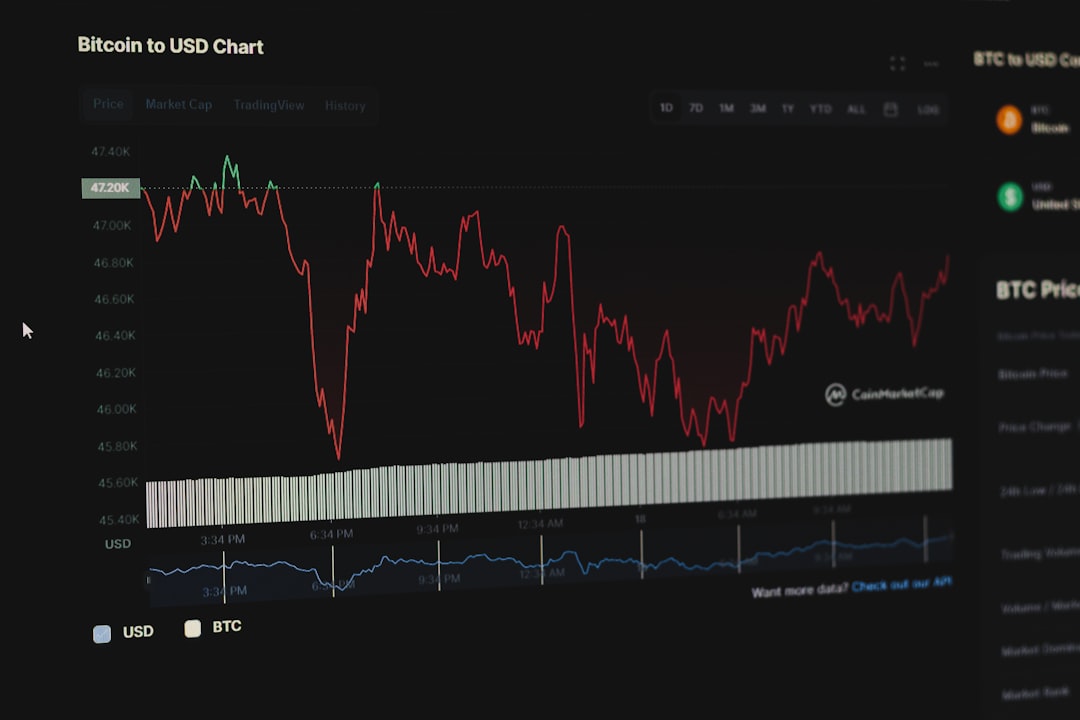
Bitcoin, known for its extreme volatility, reacted in tandem with broader financial markets. Insiders and commentators noted that manipulated moves often get retraced within weeks, suggesting the ongoing rally may be temporary. Current technical indicators show Bitcoin is forming a bearish flag pattern—typically signaling potential downside.
Investors are advised to watch critical resistance and support levels, particularly as Bitcoin tends to mimic tech sector movements. If equities weaken, Bitcoin may follow suit.
S&P 500 and Dow Jones Futures
Despite a temporary bounce in the S&P 500 and Dow Jones, the markets appear to remain in a downtrend. Heavy selling pressure erased gains from prior sessions, signaling that the manipulated surge failed to reset broader bearish trends. Traders should note high rejections at the 200-day exponential moving averages for both indices, consistent with continued bearish momentum.
Oil Futures and Geopolitical Turbulence
Oil remains a focal point as it reacts sharply to geopolitical developments. Current levels around $113.50 serve as critical zones to monitor, with bulls aiming for a breakout above. Despite insider trading allegations, the oil market continues to show resilience, supported partly by global tensions like the Ukraine conflict and U.S.-Israeli military actions targeting Iranian infrastructure. However, as liquidation spikes and manipulated trades unfold, volatility could push oil prices below crucial thresholds.
Risk Management in Volatile Conditions
Insider trading and market manipulation, particularly if prominent political figures are involved, undermine faith in market structures. Many traders, particularly short-term speculators, are struggling to find reliable opportunities amidst erratic price swings.
Veteran traders advocate for the following strategies:
- Switch to high-timeframe trading: Avoid short-term positions and focus on weekly trends to reduce the impact of sudden news-driven moves.
- Monitor volume in correlation with price: Rising volume alongside increasing prices signals genuine movement. However, diminishing volume during a price climb often predicts breakdowns.
- Focus on technical levels: Areas like the 200-day EMA or historical highs/lows provide key insights into market behavior.
- Diversification: Spread exposure across various asset classes—not just stocks and crypto—to mitigate concentrated risks.
Treasury Yields and Broader Economic Signals
Further complicating the macroeconomic outlook is the sharp rise in U.S. Treasury yields. For instance, the 30-year yield has risen from 3.4 basis points to 4.945%, signaling increasing borrowing costs. Meanwhile, the 10-year Treasury looks poised for a bullish breakout, suggesting investors are bracing for higher interest rates and a potentially weaker U.S. economy ahead.
Rising yields are typically unfavorable for riskier assets like equities and cryptocurrencies. Analysts caution that such signals indicate more pain ahead for bulls, reinforcing a bearish outlook for the broader market.
The Outlook for Traders and Long-term Investors
Given the pervasive uncertainty, even seasoned traders are hesitant to commit to short-term positions. Swing trading or sticking to high-timeframe strategies remains the recommended approach. In particular, oil trades around $113.50 and Bitcoin’s potential bear flag pattern should be closely monitored during this turbulent period. Market manipulation presents significant obstacles, but those who focus on critical technical levels and maintain disciplined risk management can find opportunities even amidst chaos.
For traditional market participants, uncertainties surrounding monetary policy, geopolitical tensions, and insider trading allegations underline the importance of diversification and patience. As markets continue to rebel against retail investors and favor insiders, reliance on data-driven approaches may help navigate these treacherous waters.
Frequently Asked Questions (FAQ)
Is market manipulation legal in the U.S.?
Market manipulation and insider trading are illegal under U.S. laws, but enforcement can be inconsistent. Some loopholes in regulatory practices may allow certain trades to occur without direct violations.
How does insider trading affect market confidence?
Insider trading erodes trust in financial markets, pushing some participants to exit entirely, particularly when they believe the system is rigged against ordinary traders.
Are current Bitcoin trends impacted by these developments?
Yes. Bitcoin, like other risk assets, is influenced by macroeconomic trends and traditional markets. Manipulated trades on indices or commodities can ripple into crypto markets, impacting sentiment and price action.
Where is oil trading going, and what does it mean for global markets?
Oil futures remain uncertain, with key levels around $113.50 acting as resistance. Expect heightened volatility as geopolitical events unfold.
What should traders do in such volatile conditions?
Adopt high-timeframe trading, monitor volume with price action, and diversify portfolios to counter sudden market shocks driven by manipulation and geopolitical factors.
Comments
Loading comments…


