Bitcoin Approaches $70K, Ethereum ETFs Surge, and Southeast Asia Faces Social Engineering Risks
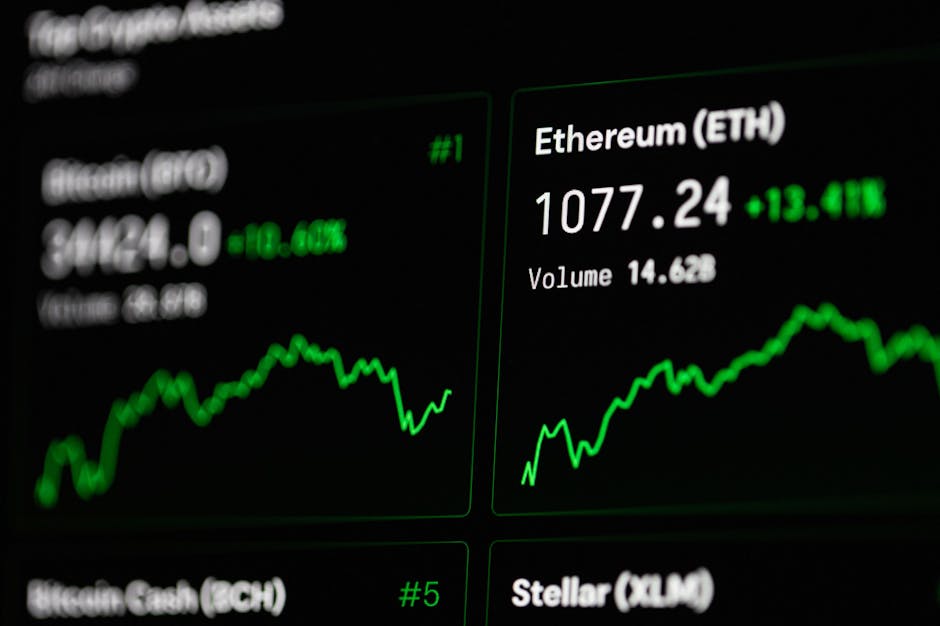
Bitcoin holds near $70K as Ethereum ETFs attract inflows. Meanwhile, scams remain a top threat to crypto users in Southeast Asia.
Bitcoin’s price continues to hover around $70,000, while Ethereum has seen a surge in institutional interest thanks to its recent staking ETF offerings. As cryptocurrency adoption rises in Southeast Asia, so do the risks, with social engineering scams targeting retail users and overseas workers in the region. Here’s an overview of the latest developments shaping the crypto market today.
Bitcoin Prices Test $70,000 Amid Federal Reserve Policy
Bitcoin’s price has been on a rollercoaster following the Federal Reserve’s recent meeting. The central bank held interest rates steady at 3.5–3.75%, signaling a “higher-for-longer” rate environment, coupled with only one projected 25-basis-point rate cut for the rest of 2026. Persistent inflation and increasing energy costs were the driving factors behind this measured outlook.
This announcement caused Bitcoin to experience a 5% drop last week, but the cryptocurrency is now finding critical support at the $70,000 level. Meanwhile, the statement reshuffled fund flows within the cryptocurrency market, with spot Bitcoin ETFs seeing outflows amounting to approximately $708 million over the course of a single day.
These Fed-driven market reactions showcase Bitcoin’s role as a barometer for the broader macroeconomic sentiment. For Southeast Asian traders, particularly in markets like the Philippines and Vietnam, the takeaway is clear—understanding macroeconomic cues is critical when navigating such volatile terrains.
Ethereum ETFs See Record Inflows on Staking Yields
Ethereum, on the other hand, has taken center stage in the institutional investment landscape. BlackRock’s launch of the iShares Staked Ethereum Trust has made it possible for investors to earn a 3% staking yield on their Ethereum holdings in addition to benefiting from price increases. The debut has been met with robust interest, pushing weekly inflows for Ethereum ETFs to record levels.
This contrasts sharply with Bitcoin’s outflows and highlights a shift in market dynamics. Over an eight-day period, Ethereum has gained close to 20%, significantly outperforming Bitcoin during the same timeframe. For long-term investors in Southeast Asia, particularly those balancing yield with liquidity needs, Ethereum's staking-linked ETFs may offer an increasingly attractive opportunity.
Expanded Bitcoin ETF Options Signal Regulatory Shifts
Regulators in the United States and Asia-Pacific are opening the door for advanced Bitcoin derivatives trading, signaling a maturing landscape for institutional involvement. The U.S. recently adjusted its rules, lifting the 25,000-contract cap on Bitcoin ETF options. This change allows institutional traders to establish larger positions, effectively boosting liquidity in these derivative markets.
At the same time, countries like Japan, South Korea, Hong Kong, and Australia are intensifying their reviews of crypto derivatives and stablecoin regulations. These moves are part of a coordinated “stress test” for the industry in 2026, designed to distinguish sustainable platforms from those exploiting regulatory gaps.
For Southeast Asian investors active in Singapore, Indonesia, and surrounding markets, this dual approach—combining increased regulatory clarity with expanded market tools—has implications for Bitcoin’s volatility. While macro-driven price swings may become sharper, professional futures and options trading provides greater transparency compared to unregulated alternatives.
Scams Remain the Dominant Threat for Southeast Asia’s Crypto Users
While the crypto market evolves on the institutional level, the risks for retail users, especially in Southeast Asia, are growing. Data from TRM Labs’ 2026 crime report shows a worrisome pattern: scams now outpace protocol hacks as the primary method for illicit activities in crypto. Common scams include:
- Romance-oriented "pig-butchering" schemes
- Fake investment platforms
- Address-poisoning attacks
Most of these operations are run from within Southeast Asia itself, employing technologies like deepfake identities, spoofed customer service accounts, and fake wallet verification prompts. For overseas Filipino workers (OFWs) and other crypto users in regions like Vietnam and Indonesia, this represents a serious threat.
The key takeaway is to exercise vigilance. Any unsolicited request for wallet verification, “security checks,” or fund transfers should be treated with high suspicion. Always confirm the legitimacy of such messages directly through official channels.
Practical Takeaways for Crypto Investors in Southeast Asia
- Monitor Bitcoin’s Key Levels: With Bitcoin holding at the $70,000 support, Southeast Asian traders should align their strategies with macroeconomic signals and avoid leveraged trades on short-term price moves.
- Explore Ethereum’s Staking Potential: Ethereum ETFs offering staking yields combine liquidity with income opportunities and appear poised for further growth during periods of high interest rates.
- Anticipate Regulatory Evolution: Crypto investors in regulated markets like Singapore may benefit from greater market stability, while those in less developed regulatory environments should be prepared for sharp price swings.
- Stay Alert to Scams: Social engineering remains the largest risk for retail users. Use multi-factor authentication, double-check wallet addresses, and never respond to unsolicited fund transfer requests.
Conclusion
The cryptocurrency market remains dynamic, with Bitcoin and Ethereum offering contrasting opportunities for investors. As Bitcoin consolidates near $70,000 and Ethereum ETFs gain institutional traction, the market also faces the growing challenge of combatting scams and illicit schemes, particularly in the high-adoption zones of Southeast Asia. Balancing risk and reward will be critical for traders in the months ahead.
Staff Writer
Priya writes about blockchain technology, DeFi, and digital currency regulation.
Comments
Loading comments…


