Bitcoin Faces Uncertainty Amid Geopolitical Tensions and Regulatory Shifts
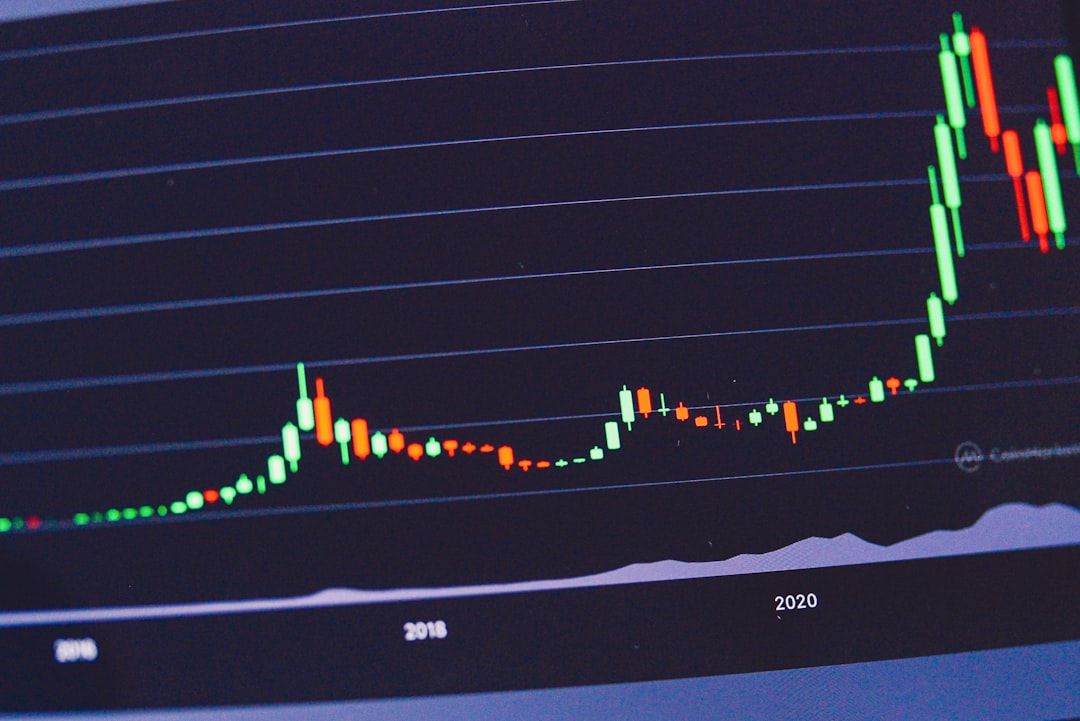
Bitcoin's price may face further drops, driven by geopolitical tensions in the Strait of Hormuz and key developments in cryptocurrency regulations.
The cryptocurrency market is bracing for a potential shakeup as Bitcoin hovers near a critical support level of $67,800. With just 26 hours remaining before a threatened escalation in geopolitical tensions involving Iran and the United States, the digital asset could face further downward pressure. Simultaneously, regulatory developments in the U.S. may shape the long-term outlook for cryptocurrency markets. Here’s what investors need to know.
Geopolitical Tensions and the Strait of Hormuz
The Strait of Hormuz, the vital waterway through which 20% of the world’s crude oil passes, has once again become a flashpoint. President Trump recently issued an ultimatum to Iran, demanding that the strait be fully opened within 48 hours or risk U.S. military retaliation. Iran, in response, has threatened to shut down the route entirely. A full closure could send crude oil prices soaring, exacerbating inflation globally.
Countries heavily reliant on energy imports from the Middle East, such as China, would likely face severe economic repercussions. Elevated energy prices could lead to persistent inflation, pressuring central banks to maintain restrictive monetary policies. The Federal Reserve, for instance, has already ruled out rate cuts until 2027 if inflation remains high—an environment unfavorable for risk assets like Bitcoin.
High energy prices and extended periods of monetary tightening could continue to dampen demand for cryptocurrencies. Bitcoin, which historically enjoys rallies in low-interest-rate environments, may see its recovery prospects delayed.
Bitcoin’s Bearish Indicators
Technical analysts point to Bitcoin’s current price chart, which suggests troubling signs for short-term investors. The cryptocurrency formed a bear flag pattern on the 4-hour timeframe, indicating a possible further decline. Breaking below the $66,700 level could push Bitcoin into the $50,000 range.
While relief rallies remain possible, the resistance line for Bitcoin to breach has shifted upwards. Previously at $73,600, that level is now closer to $77,600, making significant upward moves less probable in the immediate future. Market sentiment remains cautious as external factors like geopolitical tensions loom large.
Regulatory Developments Provide a Silver Lining
Despite nearing-term obstacles, recent regulatory updates in the U.S. have offered hope for long-term adoption and institutional investment. The Commodity Futures Trading Commission (CFTC) has announced that Bitcoin and Ethereum can now be used as margin collateral by futures commission merchants. This change could encourage institutions to hold and leverage cryptocurrencies without liquidating them for cash first.
For example, financial giants trading hundreds of billions of dollars monthly on platforms like the CME can now utilize Bitcoin as collateral. This development simplifies the process and incentivizes long-term holdings. While the immediate impact on Bitcoin’s price may be limited, the change supports broader institutional adoption. There is a caveat, however: regulatory bodies have imposed a 20% haircut on cryptocurrencies due to their classification as riskier assets.
Favorable Classification of Cryptocurrencies
Along with these updates, another significant development has been the classification of most major cryptocurrencies. About 90% of digital assets have been ruled as non-securities. Notable examples include XRP, Ethereum (classified as a digital commodity), Binance Coin, and Solana. This clear distinction could attract more institutional interest and set the stage for future growth in tokenized markets.
Layer-1 blockchains like Ethereum and Binance Smart Chain, which facilitate billions in transactions, are likely to benefit from these regulatory clarifications. Staking on these networks, already deemed legal, offers additional appeal for institutions looking for deeper involvement in blockchain ecosystems.
Long-Term Outlook: Accumulation Over Panic
Despite the short-term bearish sentiment, the long-term outlook for Bitcoin and other cryptocurrencies remains optimistic. The market is grappling with external pressures, including geopolitical issues and tighter liquidity conditions. However, regulatory advancements signal meaningful progress towards mainstream adoption.
For long-term investors, this period of uncertainty may present buying opportunities. Bitcoin’s current price levels, while volatile, could be appealing in anticipation of regulatory clarity, increased institutional action, and broader adoption. Similarly, altcoins like Ethereum, Binance Coin, and Solana have shown promise as regulatory frameworks evolve to include staking as a legitimate earning mechanism.
As the market awaits resolution of geopolitical conflicts and clearer macroeconomic directions, patience and due diligence remain crucial. With geopolitical risks high and potential for further declines in the short term, investors should tread carefully while keeping an eye on emerging opportunities.
Comments
Loading comments…


