Bitcoin Shines During Geopolitical Tensions, Mastercard Makes a $1.8 Billion Crypto Investment
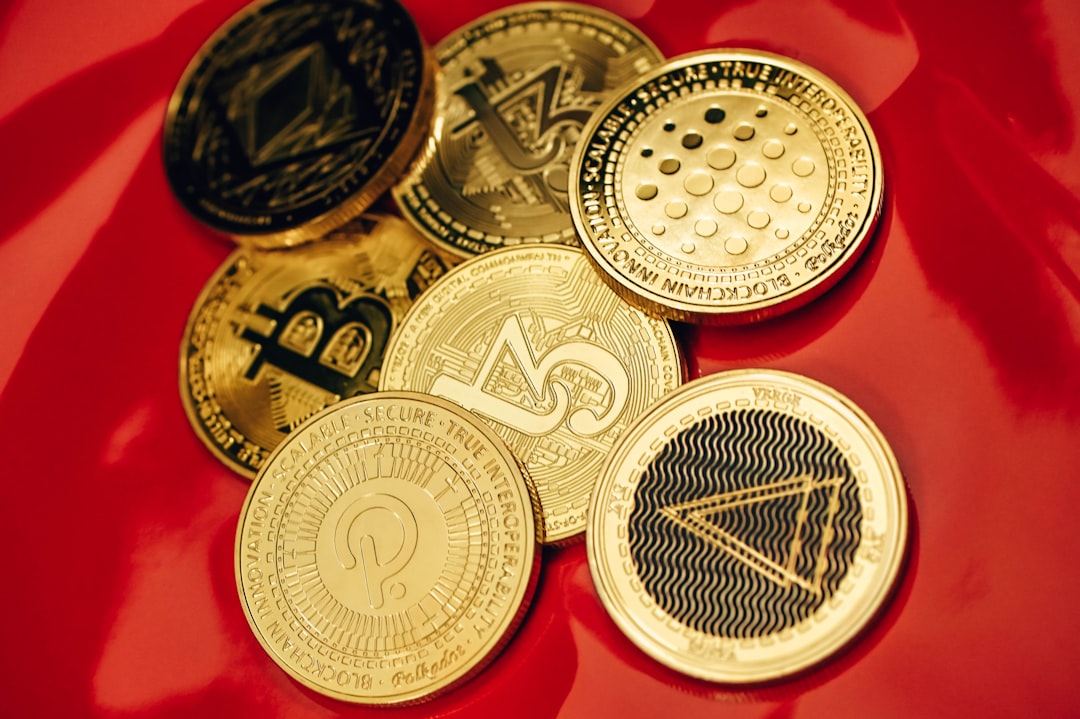
Bitcoin gains 13% amid geopolitical strife, solidifying its role as a hedge. Mastercard acquires BVNK, signaling deeper integration in digital assets.
Bitcoin Outperforms Traditional Assets Amid Global Tensions
Bitcoin demonstrated its resilience this March, gaining 13% despite ongoing geopolitical turmoil. From a price range of $65,000 to $73,000 over the past six days, Bitcoin briefly surged to $76,000, marking a significant benchmark for the cryptocurrency. This boost coincides with the impact of President Trump's war in Iran, which has unsettled global markets.
By comparison, the MSCI World Index, a gauge of global stocks, saw a 4% decline during the same period, while gold—a traditional safe haven—fell by 5%. Analysts suggest that Bitcoin’s unusual rise reflects its evolving reputation as a hedge against traditional financial systems during uncertain times. Surging Bitcoin ETF inflows, topping $763 million in recent weeks, highlight growing institutional confidence. Market makers unwinding bearish Bitcoin options have further driven these gains, though a lack of aggressive bullish positions remains notable.
Institutional and Regulatory Movement in Crypto
On the institutional side, cryptocurrency infrastructure firm Bitco, led by CEO Mike, has observed Bitcoin becoming a global liquidity instrument. “Bitcoin has proven to be a hedge against traditional financial systems,” Mike noted, referencing its utility in regions facing banking disruptions. While price volatility remains significant, the cryptocurrency continues to attract institutional and retail clients alike, securing its position as a vital asset in the global financial landscape.
On the regulatory front, Bitco achieved approval to operate as a national trust bank under the Office of the Comptroller of the Currency (OCC). This approval places it on the same footing as established financial entities like JPMorgan and State Street. This development is particularly essential for building confidence among Wall Street firms, allowing them to engage with digital assets more securely.
Mastercard Joins the Stablecoin Movement
Traditional financial players are not sitting idle. Mastercard has announced its acquisition of BVNK, a stablecoin startup, for $1.8 billion. This marks its first foray into stablecoin technology, an area Visa and other competitors are also exploring. Paige Smith, covering the acquisition, noted that Mastercard’s move is aimed at diversifying payment channels, particularly in real-time and cross-border payments.
Stablecoins are gaining traction due to their reliability as “internet-native money.” These digital assets enable functionality like automated payments, where users or agents can act within set parameters. For instance, OpenAI’s use of stablecoins to facilitate automated tasks is considered a groundbreaking trend in agent-driven commerce.
Here’s what Mastercard may gain from its acquisition:
| Aspect | Impact |
|---|---|
| Speed to market | BVNK adds fully built infrastructure |
| Market-leading compliance | Aligns with emerging stablecoin regulations |
| Focus on real-time payments | Enhances cross-border, high-volume transaction ease |
“Stablecoins are shifting the dynamics of payment systems,” observed Paige. While consumer adoption remains relatively modest, corporate use cases like liquidity management and capital flows are growing quickly.
Crypto Resilience and Technological Developments
Looking beyond individual assets, venture investors such as Ariella Simpson see 2026 as an inflection point for cryptocurrency and artificial intelligence (AI). “The intersection of crypto and AI is reshaping the internet,” Simpson said. Emerging applications could allow users to borrow against their Bitcoin or integrate crypto-enabled features into everyday platforms like Microsoft stock systems.
Meanwhile, tokenization remains an area of interest. Market infrastructure including the New York Stock Exchange is experimenting with expanding its operational capabilities, potentially exploring 24/7 markets enabled by blockchain tools. These efforts aim to lower costs and democratize access to high-value financial tools, bringing them within reach of smaller-scale investors and businesses.
Practical Takeaways
-
Bitcoin as a Hedge: Over the past month, Bitcoin has proven to be a reliable fallback during market volatility. Analysts and institutional voices increasingly view it as a "global liquidity venue," particularly in regions with unstable financial systems.
-
Stablecoin Technologies and Regulation: Mastercard's acquisition of BVNK signals the acceleration of mainstream adoption for stablecoins, primarily for enterprise-level finance and international commerce. Keep an eye on similar moves by financial giants that may follow suit.
-
AI Meets Crypto: The intersection of AI and blockchain is set to create new use cases. From automated payments for bots to tokenized markets, these developments cater to businesses keen on scalability and efficiency.
Frequently Asked Questions
Why did Bitcoin perform well during geopolitical tensions? Institutional confidence in Bitcoin appears to be growing. Hedge fund managers unwound bearish positions, causing inflows into the asset. Unlike gold or the stock market, Bitcoin's decentralized nature and liquidity made it more appealing during uncertainty.
What does Mastercard's acquisition of BVNK signal? Mastercard’s move into stablecoin technology highlights its shift toward enabling real-time payment systems, particularly for cross-border transactions. The acquisition boosts its speed to harness the advantages stablecoins bring to financial ecosystems.
How will tokenization affect markets? Tokenized equities and blockchain-enabled systems could soon facilitate 24/7 financial markets, dramatically broadening access, reducing transaction fees, and offering innovative investment avenues.
What role does artificial intelligence play in crypto? AI is beginning to integrate with blockchain technologies in areas like agent-driven commerce. This involves automating tasks through programmable money like stablecoins, creating opportunities for companies leveraging AI-driven automation.
Bitcoin continues to rewrite its narrative as a possibly safe harbor for institutional and retail investors, while the expanding stablecoin and tokenization economies suggest a more integrated financial future. These shifts are solidifying the foundation for a broader adoption of digital assets.
Staff Writer
James covers financial markets, cryptocurrency, and economic policy.
Comments
Loading comments…


