Bitcoin's trend line faces potential break amid low market volume and geopolitical tensions
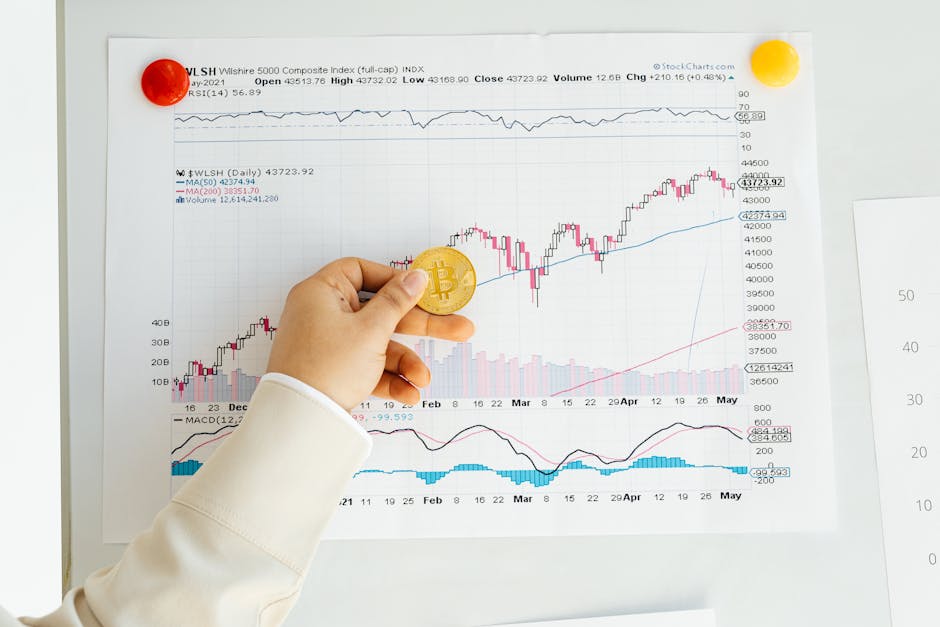
Bitcoin's price is testing critical support levels as traders navigate a low-volume market and rising geopolitical instability in the Middle East.
Bitcoin's recent rally may be losing steam, as the cryptocurrency tests critical trend line support amidst declining volume and broader market shifts. While the price action shows potential for further movement, several factors—both economic and geopolitical—are adding complexity to the trading landscape. Here’s an in-depth look at what’s shaping the markets this week.
A busy week for markets, earnings, and macroeconomic updates
The broader financial markets are gearing up for a significant earnings week, with 42% of the companies in the S&P 500 set to report their results. Major tech stocks are also anticipated to announce earnings, presenting potential volatility in traditional equities. While U.S. indices like the S&P 500 and the Dow Jones Industrial Average have shown recent strength, the low trading volumes raise concerns about sustainability.
Meanwhile, rising geopolitical tensions are making waves. Increased military activity in the Middle East, notably three U.S. aircraft carriers in the region, has drawn comparisons to developments preceding past conflicts like the Iraq War in 2003. These tensions have indirectly impacted various market sectors, especially energy, agriculture, and cryptocurrencies.
Bitcoin price struggles amid low volume
At the center of the crypto market's attention, Bitcoin is trading near a critical technical support level. The cryptocurrency has tested its trend line between six and ten times—an unusually high number, raising the probability of a breakdown. A move below the $72,000 level could trigger a deeper correction, with stop losses potentially cascading into more downward pressure.
One alarming factor for Bitcoin bulls is the low trading volume. According to market observations, the price rally is primarily being fueled by leveraged futures rather than spot buying, indicating a lack of strong demand from investors. The lack of significant daily exchange volume underscores the absence of robust spot-driven momentum.
Moreover, Bitcoin's funding rates on major exchanges suggest an increase in short positions, which may signal bearish sentiment. However, experts caution against heavy shorting as the market remains volatile and could still produce upside surprises, especially if technical confirmations fail to materialize.
Impacts of geopolitical developments on the energy sector
Rising geopolitical tensions have reignited interest in the energy sector. Crude oil has seen consistent gains, climbing from $68 per barrel to $106 without major pullbacks. Several oil tanker stocks, including FRO, TNK, and STNG, have posted impressive returns, with some traders eyeing a potential continuation higher. These stocks often serve as proxies for geopolitical risk in energy markets, and a further escalation in the Middle East could drive even more momentum.
Additionally, supply chain disruptions, especially in fertilizers passing through choke points, have affected U.S. farm bankruptcies, which are up 46% year-over-year. Farmers face higher costs for essentials like wheat and soybeans due to bottlenecks in the fertilizer market. Notably, wheat prices have shown a bullish climb, reinforcing earlier predictions of rising food inflation.
Historical parallels and Bitcoin correlations
A curious market timeline has emerged, comparing Bitcoin’s behavior during past global conflicts. For example, Bitcoin's movements during the current Middle Eastern tensions echo its performance at the onset of the Russia-Ukraine war in February 2022. At that time, Bitcoin experienced similar price drops before bouncing back. This historical comparison has led some analysts to question whether Bitcoin might soon follow a similar recovery pattern, even though the market's prevailing conditions differ.
Bitcoin’s Fear & Greed Index offers further insight. The index has climbed from a "fearful" value of 12 last month to a more neutral 47, suggesting improved short-term sentiment. Yet, technical analysts remain wary, emphasizing that any failure to sustain support could trigger significant liquidations.
Technical outlook: Bulls versus bears
The current technical structure of Bitcoin's price action reflects a growing tug-of-war between bullish and bearish forces. Bulls need to reclaim the $79,000 resistance zone to invalidate bearish scenarios and drive the price toward the $85,000 Fibonacci golden pocket level. Successfully holding this ground could reopen the possibility of climbing back toward $90,000.
On the flip side, failure to defend the current support zones could exacerbate selling pressure. If the trend line officially breaks, Bitcoin could revisit the $72,000 level—or lower—as stop losses are triggered.
The weekly chart isn't offering much optimism either, as Bitcoin’s trading candles are struggling to remain above key moving averages like the 21-week exponential. Historical patterns suggest longer consolidation phases could be needed before any significant trend reversal.
Altcoin warning: The cautionary tale of 2021
Many altcoins from the 2021 market cycle remain down as much as 99% from their peaks. Observers advise investors to avoid hasty bets on small-cap coins during uncertain times when liquidity is concentrated in top-tier assets like Bitcoin and Ethereum. This defensive position reflects the broader market’s hesitant sentiment.
Energy, commodities, and the dollar’s role
The discussion around inflation and rising commodity prices has extended to metals and agricultural products, which are currently in consolidation phases. Wheat prices, boosted by geopolitical tensions, have started edging higher, making futures traders cautiously optimistic. Soybeans lag slightly behind wheat but show potential for recovery as long as global supply chains remain stressed.
At the same time, the dollar index (DXY) has remained strong but lacks decisive breaks. If geopolitical issues persist, the dollar may regain its safe-haven appeal, lending it an edge in global trade and investment flows.
Looking forward: Key considerations for this week
The crypto market and broader financial ecosystem face a complicated week ahead. Bitcoin’s ability to maintain its trend line support will be critical in influencing near-term sentiment. Traders are also closely watching the energy sector, geopolitical events, and earnings season for cues. Balancing all these dynamics will require a combination of technical insights and a firm grip on global macroeconomic developments.
One thing is clear: Market participants across asset classes should brace for increased volatility as the week progresses.
Staff Writer
James covers financial markets, cryptocurrency, and economic policy.
Comments
Loading comments…


