Bitcoin's volatile rally: resistance levels, market skepticism, and global uncertainty
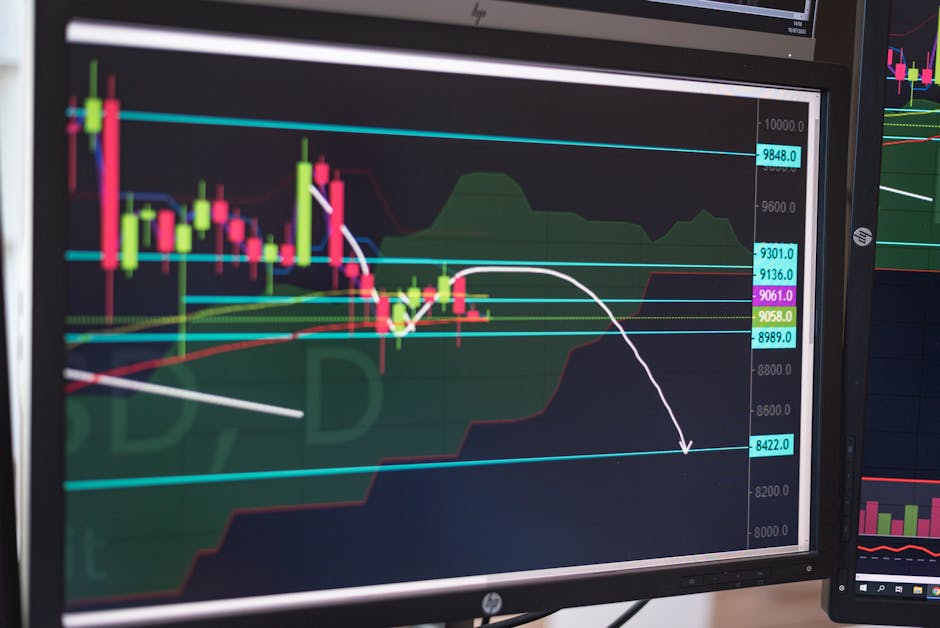
Bitcoin faces resistance at key levels as experts predict further declines. Global tensions add uncertainty to crypto and financial markets.
Bitcoin's recent rally has been met with enthusiasm among some investors, but technical indicators and geopolitical tensions suggest caution might be warranted. As the cryptocurrency trades within a resistance zone of $74,000 to $76,000, market experts are hinting at the possibility of further declines before stabilization. Here’s an in-depth look at what’s driving the current Bitcoin movement and the broader implications for markets.
Bitcoin’s resistance levels and market trends
Bitcoin has displayed significant resistance at the $74,000-$76,000 level, which the market has approached multiple times without breaking through. The tightening of Bollinger Bands indicates low volatility preceding significant moves, often leading to fake rallies as seen in prior cycles. These false starts make it critical for traders to closely monitor resistance levels and potential bearish signals.
Historically, the cryptocurrency showed similar patterns. For example, Bitcoin’s rally off the $80,000 level marked a key point before the market reversed to lower levels. Such “counter-trend” rallies have been a feature of previous bear trends, and analysts expect similar behavior if bearish conditions persist. As the current rally meets resistance, there’s growing skepticism about whether Bitcoin can maintain its upward momentum.
Key technical indicators to watch
- Bollinger Bands: Recent tightening suggests price volatility is imminent, with bearish signals indicating potential declines.
- RSI (Relative Strength Index): Bullish divergences could lead to quick rallies, but these are often met with subsequent pullbacks.
- Moving Averages: The cryptocurrency rallied back to its 50-period moving average, a point that may prompt further rejection.
Price forecast: Is a lower low on the horizon?
Despite optimism from some market participants, many analysts are forecasting a deeper correction for Bitcoin. Expectations include a possible drop below $60,000, potentially forming a triple bullish divergence before any substantial recovery. Such a move would align with previous patterns where significant sell-offs preceded recovery as markets formed bottom structures.
A V-shaped recovery, which has occurred in past cycles, remains a possibility. However, analysts stress that the road to recovery may take longer than anticipated. The macro environment, including rising interest rates and inflation concerns, is also impacting Bitcoin’s trajectory, with investors hesitant to commit heavily to riskier assets.
| Indicator | Current Situation | Expected Outcome |
|---|---|---|
| Bollinger Bands | Tightened, signaling high volatility | Likely bearish breakout |
| Resistance Levels | $74,000 - $76,000 resistance zone | Potential rejection |
| Moving Averages | Testing the 50-period MA | Short-term struggle to break |
Geopolitical tensions and Bitcoin’s market response
Bitcoin’s price is also being influenced by global events, including escalating tensions in the Middle East. Reports of potential peace talks to reopen the Strait of Hormuz have generated optimism in energy markets, suppressing oil prices and bond yields temporarily. Former President Donald Trump asserted that negotiations are ongoing with Iran, leading to speculation about a resolution.
However, skepticism remains high. Iran’s history of breaking agreements and resistance to abandoning its nuclear ambitions has dampened expectations for a speedy resolution. As the U.S. sends reinforcements to the region, the likelihood of further military conflict adds uncertainty to global markets, which could influence Bitcoin’s next move.
Impact on crypto markets
Traditionally viewed as a hedge against inflation and geopolitical turmoil, Bitcoin has seen mixed reactions during times of uncertainty. On the one hand, its decentralized nature appeals to investors during crises. On the other, risk-off sentiment often leads to declines across speculative assets, including cryptocurrencies. Should tensions escalate, Bitcoin could either experience increased demand as a safe-haven asset or face selling pressure from a risk-averse investor community.
Practical takeaways for Bitcoin investors
For those monitoring Bitcoin’s movements, the following takeaways may prove useful:
- Watch for resistance at $74,000-$76,000: Failure to break this zone could lead to another significant decline.
- Monitor geopolitical developments: Escalating tensions in the Middle East could create ripple effects in financial markets, influencing Bitcoin’s price.
- Be prepared for volatility: The tightening Bollinger Bands suggest that significant price moves, either upward or downward, are likely in the short term.
- Stay realistic about recovery timelines: Recovery to previous highs, particularly $97,000, remains a long-term prospect and may not materialize until broader market conditions improve.
Conclusion: A cautious outlook for Bitcoin
Bitcoin’s rally is enticing for investors, but it’s critical to approach the market with caution. Resistance at key levels, coupled with geopolitical challenges, suggests the cryptocurrency faces significant hurdles in the near term. While eventual recovery is plausible, the path forward is likely to be volatile and drawn-out. For now, traders and investors should brace for further fluctuations as the market tests its lower bounds.
Comments
Loading comments…


