Breaking Down the Layer 1 Blockchain Landscape in 2026
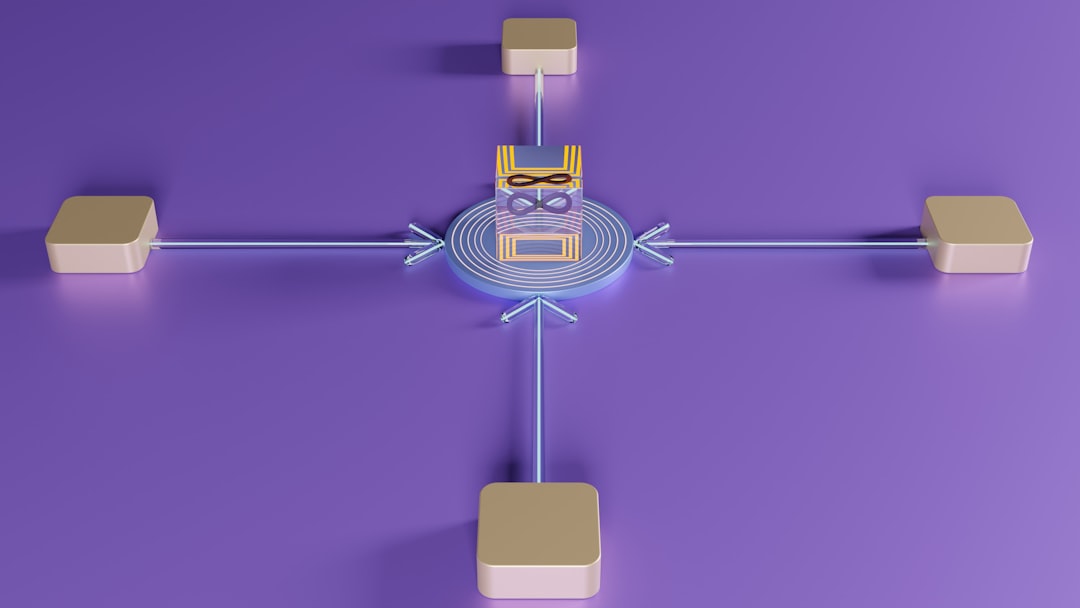
The Layer 1 blockchain landscape in 2026 is no longer a binary competition. Solana, Ethereum, and modular architectures are redefining use cases and industry priorities.
The debate over Layer 1 blockchain dominance has evolved significantly in 2026. Once framed as a battle between Ethereum and its challengers, the conversation has shifted to architectural priorities rather than outright victories. Is this a "winner-take-all" scenario? The evidence suggests a more nuanced reality. Let’s dive into the key points shaping the Layer 1 landscape this year.
The Two Contending Architectures: Monolithic vs Modular
At the heart of this discussion is the comparison between monolithic and modular blockchain designs, each reflecting distinct approaches to manage execution, settlement, and data availability. Monolithic chains, exemplified by Solana, integrate all these functions within a single system. By tightly coordinating the stack, monolithic blockchains achieve high performance and simplified user experiences. However, this comes at the cost of decentralization due to the resource-intensive hardware demands required to sustain such throughput.
On the other hand, modular blockchains, such as Ethereum, advocate for separation of functions. Settlement occurs on Ethereum's mainnet, while execution is moved to Layer 2 networks like rollups. Additional layers may handle data availability, creating an ecosystem where components can specialize but must work in tandem. While this adds complexity for developers and end-users, modular architectures offer enhanced flexibility and scalability.
The Trade-Off Triangle: Speed, Security, Decentralization
Regardless of design philosophy, every blockchain grapples with the trade-off between speed, security, and decentralization. No system can optimize all three simultaneously, and each architecture reflects unique priorities:
-
Solana emphasizes speed and low costs. High throughput and hardware-intensive validators enable real-time trading, consumer-facing applications, and large transaction volumes. However, critics argue that these hardware requirements make it challenging to scale while maintaining true decentralization.
-
Ethereum focuses on security and decentralization at its base layer. Mainnet throughput is intentionally limited to anchor security, but capacity is expanded by Layer 2 rollups. This layered approach makes Ethereum particularly attractive for institutional finance but can introduce friction for users due to added complexity.
-
Modular systems prioritize flexibility. By unbundling settlement, execution, and data availability, these ecosystems enable tailored solutions for specialized applications. However, this customization often increases cost and technical barriers for developers.
What 2026 Looks Like: Use Cases Define Adoption
As the ecosystem has matured, the question of "Which blockchain will win?" has proven overly simplistic. Instead, the market in 2026 is shaping up to be multi-chain by default, with specialized chains supporting diverse use cases. Here's how the dominance is playing out:
-
Ethereum remains the go-to settlement layer for decentralized finance (DeFi) and tokenized real-world assets. Its focus on security and regulatory compatibility continues to attract institutional adoption.
-
Solana has carved out its niche in consumer-facing applications, high-frequency trading, and on-chain activity requiring low fees and a seamless user experience. Its monolithic design simplifies interaction, enabling high-speed, high-volume functionality that appeals to mass-market use cases.
-
Modular ecosystems are developing more specialized use cases requiring customization, such as scaling solutions for rollups and tailor-fit applications. However, they have yet to match Solana or Ethereum in terms of mainstream or institutional adoption.
The picture that emerges is not one of binary opposition but rather a competitive coexistence, where architecture reflects use case requirements rather than a universal solution.
A Broader Perspective: Architectural Competition
Framing the Layer 1 debate as Ethereum versus Solana misses a broader shift. The real competition in 2026 is architectural rather than market share-driven. A multi-chain approach is what defines the current ecosystem. Users bridge assets across chains, liquidity fragments, and interaction with multiple blockchains becomes routine. The relevance of a single dominant Layer 1 diminishes as activity diversifies across ecosystems.
Consider this: high-speed consumer applications favor the speed and simplicity of tightly integrated monolithic systems like Solana. In contrast, institutional financial systems demand the security and decentralization provided by Ethereum’s layered architecture. Meanwhile, modular designs are gaining traction for their flexibility, although with adoption concentrated in niche areas.
Beyond the Hype: What Matters Most
In 2026, the hype around "winning the Layer 1 wars" has faded into more pragmatic discussions of what different architectures can offer. Every design compromises on some combination of speed, security, and decentralization. The blockchain landscape no longer revolves around which single platform will dominate but around which platform is most tailored to specific needs.
For developers, businesses, and users, the strategy is no longer ideological. Picking the right chain now means understanding its architectural priorities. Solana optimizes for consumer simplicity and high throughput. Ethereum anchors itself in trust and institutional familiarity. Modular systems aim for specialized scalability but require higher technical expertise.
The blockchain ecosystem in 2026, far from being a zero-sum game, is thriving as a competitive market where diversity drives innovation. Multi-chain frameworks, liquidity bridges, and cross-chain solutions reduce reliance on a single network while fostering an ecosystem where every architecture has its role. The future, it seems, is not singular—it’s cooperative.
The "layer wars" may not be over, but they are being redefined. Victory is no longer measured by outright dominance but by alignment with use-case demands. Welcome to the competitive coexistence of blockchains.
Staff Writer
Priya writes about blockchain technology, DeFi, and digital currency regulation.
Comments
Loading comments…


