Chinese Drivers Rush to Fill Up Before Gas Prices Rise
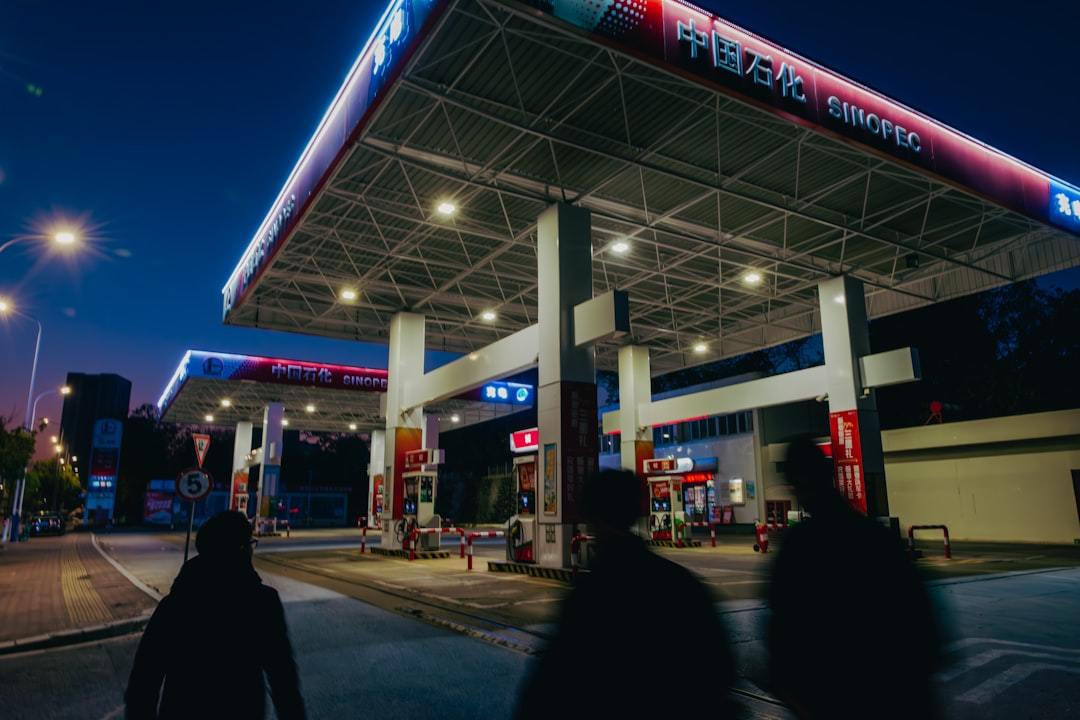
Chinese motorists scramble to fuel up as gas prices set to rise March 24. Reports highlight financial strain on drivers despite intervention.
Chinese motorists are rushing to fill their fuel tanks before a significant price hike takes effect. State-owned oil giant Sinopec announced that starting March 24, gas prices would rise sharply, leading to long lines at gas stations across the country. The increase initially projected at $1 per gallon caused public outcry, prompting authorities to intervene and halve the hike to $0.50 per gallon.
Gas Price Spike Sparks Panic
The announcement from Sinopec regarding the impending fuel price increase created widespread alarm among drivers in China. At gas stations in major cities like Beijing, long queues formed almost immediately after the notice was issued. Footage shows drivers waiting for hours just to avoid the higher costs. One driver in central Beijing explained, "As soon as I got the notice, I ran out to fill my tank."
The original estimate of a $1 per gallon hike would have amounted to an additional $15 for a full tank. While the revised increase of $0.50 per gallon has lessened the burden, it still represents a significant cost for many drivers. The financial strain is particularly evident for frequent commuters. One individual calculated that this rise could escalate his monthly fuel expenses by $300. "This is going to have a huge impact on my life," he noted.
Why Are Gas Prices Rising?
China's government regulates fuel prices at the pump, adjusting them within a controlled ceiling. However, this month saw the largest allowable increase in four years. The hike was driven by soaring global oil prices, partly attributed to geopolitical tensions. In particular, the U.S.-Israeli conflict with Iran has disrupted supply chains and pushed oil prices higher. For ordinary Chinese drivers, these broader international dynamics have translated into frustration and extra financial strain.
One Beijing driver expressed his grievances, pointing fingers at the geopolitical situation. "Who do you blame? Obviously, if Trump didn’t start a war and Israel didn’t start a war, I wouldn’t be sitting here all day waiting for my gas, right?" This sentiment underscores the growing public dissatisfaction with the economic ripple effects of international conflicts.
The Impact of Higher Fuel Costs
For the average Chinese driver, the cost of fuel already represents a significant portion of their monthly budget. The announcement of even a relatively modest increase has spurred fears about rising living costs. Consider these practical effects:
- Increased commuting costs: For individuals who drive daily, a $15 increase per full tank could translate into hundreds of additional dollars per month.
- Long wait times at gas stations: The rush to fill up ahead of the price hike has led to delays and disruptions, with some customers waiting hours to refuel.
- Economic anxiety: Higher gas prices may lead to reduced discretionary spending, affecting consumer goods industries.
Historical Context
Regulated gas prices in China mean that sudden increases are rare. The last substantial rise was four years ago, making the current hike especially notable. While Sinopec has justified the adjustment due to international market pressures, the timing coincides with rising discontent among the public over broader economic conditions.
Government Intervention
In response to the panic and public backlash, Chinese authorities stepped in to mitigate the hike, reducing the projected increase by half. While this measure has somewhat calmed the immediate uproar, it has not resolved the broader concern drivers have about fuel affordability. Experts at Sinopec suggest that prices could remain elevated in the coming months, depending on global oil market stability.
Comparing Costs
| Category | Before Price Hike | After Revised Hike |
|---|---|---|
| Price per gallon | Current rate | +$0.50 |
| Full tank (15 gallons) | $75 | $82.50 |
| Additional monthly cost* | $0 | Up to $300** |
- Based on frequent driving at high fuel consumption levels.
**Estimated for daily commuters.
What Next?
With the revised hike now set for March 24, the key question remains how long this increment will persist. Global oil market stability remains a concern, and Chinese policymakers may need to weigh further interventions to stabilize consumer confidence. Meanwhile, Beijing gas stations and others across the country are likely bracing for continued crowds as the deadline approaches.
Practical Tips for Drivers
For those looking to manage fuel expenses during price increases, some strategies may help:
- Refuel during off-peak hours: Many drivers have rushed to gas stations at peak times, causing queues. Refueling at less busy times may save time.
- Optimize driving habits: Reducing aggressive acceleration and minimizing idle time can improve fuel efficiency and lower costs.
- Carpool when possible: Sharing commutes with colleagues or neighbors can significantly reduce individual fuel expenses.
Conclusion
China's decision to raise gas prices highlights the direct impact of global oil markets on daily life. Despite the government's efforts to soften the blow, the increase is a significant burden for many motorists. As Sinopec leads the implementation of higher prices, both policymakers and drivers will continue navigating the ripple effects of international conflicts and rising energy costs.
Staff Writer
Priya writes about blockchain technology, DeFi, and digital currency regulation.
Comments
Loading comments…


