Crypto Stocks Tumble Amid Uncertainty Around Clarity Act Deal
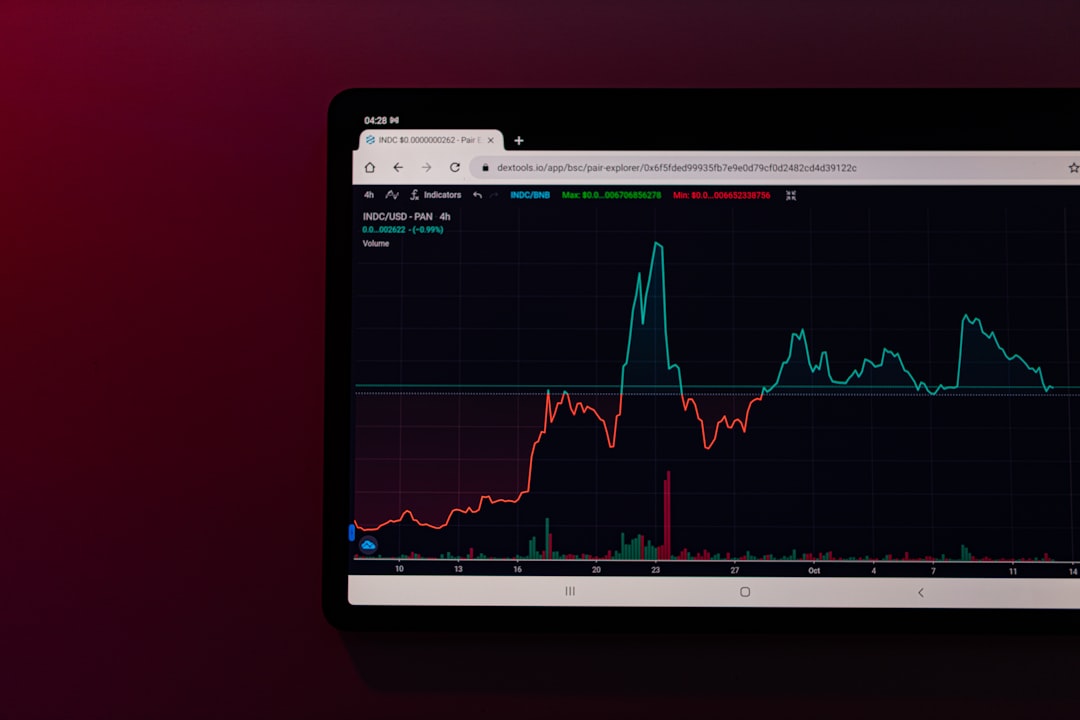
Crypto stocks have dropped sharply as disputes over the Clarity Act and stablecoin regulations trigger concerns in the market.
The cryptocurrency market has taken another hit as ongoing debates around the Clarity Act have resulted in a sharp drop in crypto-related stocks. Companies like Coinbase are feeling the squeeze, with regulatory uncertainty playing a key role in investor hesitancy. The Clarity Act, which has been under discussion in the Senate Banking Committee, aims to create a framework for digital assets and stablecoin regulation. However, its contentious provisions, including those addressing yield offerings, have stirred resistance from both industry players and lawmakers.
The Clarity Act: What Is at Stake?
The Clarity Act is positioned as a landmark piece of legislation to regulate digital assets, marking the first significant federal attempt to lay down laws for cryptocurrencies and stablecoins. According to Senator Cynthia Lummis, a leading figure in the Senate’s Digital Asset Subcommittee, the legislation could be ready for markup either before or shortly after the Easter break, with a goal of advancing it out of the Senate Banking Committee by the end of April.
The aim, Lummis says, is to ensure America remains an economic leader while addressing the tension between banks and cryptocurrency platforms over the treatment of stablecoins and their associated yields. Yet, the road ahead looks challenging. Lummis acknowledged the difficulties of crafting bipartisan legislation in an increasingly polarized Congress. The longer it takes to finalize the bill, the harder it will be to pass in 2024 as election campaigning heats up.
Market Fallout: Crypto Stocks Plunge
The uncertainty surrounding the Clarity Act has already shaken investor confidence. Reports of opposition from Coinbase’s leadership to certain provisions in the bill have dragged the company’s stock down by 20%. The market is reacting not only to regulatory ambiguity but also to fear that the new rules might stifle innovation or saddle crypto firms with compliance costs similar to traditional banks.
Stablecoins, particularly, are a focal point of concern. These digital currencies, pegged to traditional assets such as the U.S. dollar, have grown popular because they offer stability in an otherwise volatile market. However, the question of whether stablecoin accounts should be regulated like FDIC-insured bank accounts has led to considerable debate.
Comparing Banks and Crypto Platforms
Crypto advocates argue that equating stablecoin platforms with traditional banks is a misstep due to their fundamentally different structures. Banks operate through a fractional reserve system, while stablecoins generally mirror the underlying collateral 1:1. This distinction, supporters claim, necessitates a regulatory approach that doesn’t hinder innovation.
Key Differences at a Glance:
| Aspect | Banks | Crypto Platforms |
|---|---|---|
| Regulatory Oversight | Federal regulators (e.g., FDIC, OCC) | Often little to none |
| Reserve System | Fractional reserve banking | Typically 100% reserve backing |
| Marketing Rules | Clear advertising standards | Regulations still evolving |
Senator Tim Scott, chair of the Senate Banking Committee, emphasized the importance of addressing these differences. He believes the legislation must strike a balance between ensuring consumer protections and promoting innovation. But with banks and crypto platforms still at the negotiating table, disagreements over specific provisions persist.
What Industry Leaders Are Saying
Coinbase, one of the largest cryptocurrency platforms in the U.S., has vocally opposed aspects of the Clarity Act, particularly those requiring crypto platforms to conform to banking-like regulations. This resistance underscores broader industry concerns that excessive rules could undermine growth and push crypto innovation offshore.
Meanwhile, traditional financial institutions like banks are pushing for stricter controls, arguing that the marketing of stablecoins currently confuses customers by blurring lines with federally insured savings accounts. Stricter advertising standards, proponents say, can make the market safer for everyday investors.
Practical Takeaways
Here’s what you need to know to understand the impact of the Clarity Act on the crypto market:
- Regulatory Clarity May Come Too Slowly: The timeline for legislative progress is uncertain. A delay can keep the market in flux, dampening investor confidence.
- Crypto Stocks at Risk: As seen with Coinbase’s recent 20% stock price dip, crypto-related equities are particularly sensitive to regulatory news.
- Bipartisan Cooperation Could Be Key: Optimistic voices like Senator Tim Scott emphasize the unity between Republicans and Democrats, but the challenge lies in convincing the crypto industry to support final provisions.
- Expect More Volatility: Until regulations are finalized, the lack of clarity may lead to sporadic sell-offs and price swings in both crypto assets and related stocks.
What Lies Ahead
The Clarity Act represents the federal government’s most comprehensive attempt to regulate digital assets, a necessary step as cryptocurrencies gain wider adoption. However, with significant hurdles remaining, the legislation’s future is uncertain. While bipartisan support for the bill is promising, aligning the crypto industry's interests with those of banks and regulators is proving to be a daunting task.
In the meantime, crypto investors should brace themselves for further volatility as markets respond to every development. Analysts also warn that failure to pass the legislation in 2024 could stagnate progress for years to come, as the priorities of a new Congress would need to align to revisit the topic.
FAQ
What is the Clarity Act?
The Clarity Act is proposed U.S. legislation aimed at regulating digital assets and stablecoins. It seeks to build a framework for integrating cryptocurrencies into the broader financial system while ensuring consumer protections.
Why did Coinbase stock decline?
Coinbase’s stock fell by approximately 20% due to concerns over proposed regulatory changes in the Clarity Act, which the company’s leadership has criticized as potentially harmful to the industry.
How does the Clarity Act affect stablecoins?
The legislation addresses regulatory standards for marketing stablecoins, their reserves, and their consumer protections. One key point of contention is whether stablecoin accounts should mirror the standards applied to FDIC-insured bank accounts.
Will the Clarity Act pass?
The fate of the Clarity Act depends on overcoming disagreements among industry players, banks, and lawmakers. While bipartisan efforts are underway, the complex nature of digital asset regulation makes the outcome uncertain.
What happens if the Clarity Act fails to pass?
Failure to pass the Clarity Act would mean continued uncertainty in the cryptocurrency market, potentially deterring investors and pushing innovation abroad.
Staff Writer
James covers financial markets, cryptocurrency, and economic policy.
Comments
Loading comments…


