DeFi in crisis following massive Kelp DAO hack and widespread exploits
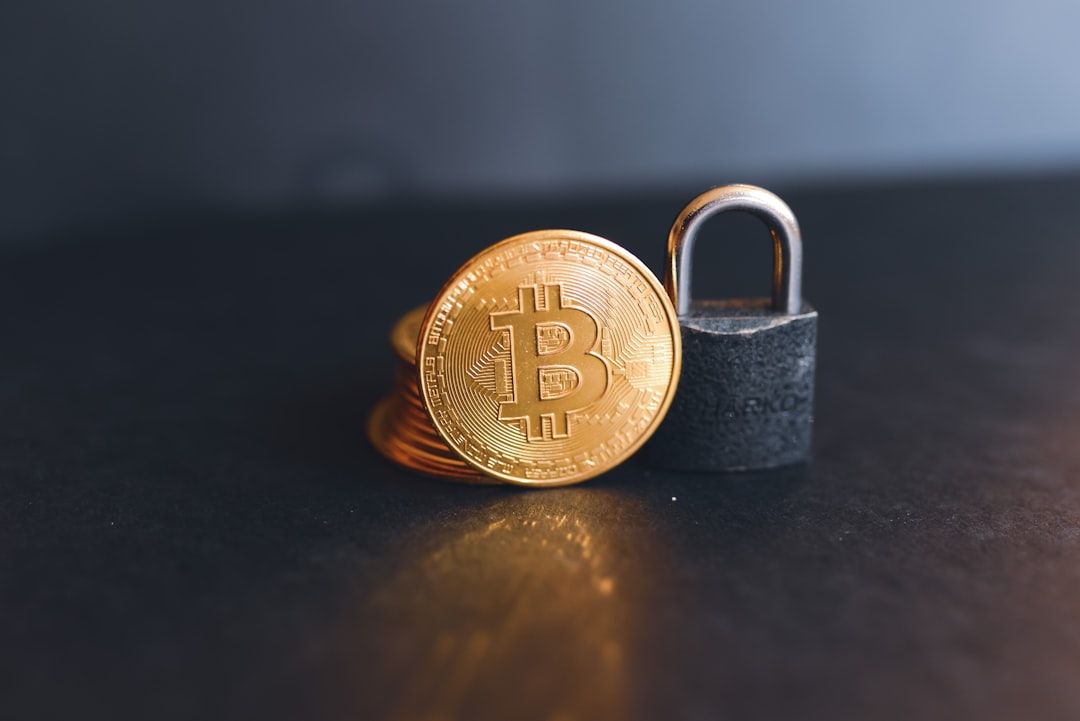
DeFi faces a major crisis with the $290M Kelp DAO hack and cascading issues on Aave and other protocols, raising concerns about blockchain security.
The decentralized finance (DeFi) sector has been dealt a severe blow after a series of high-profile hacks and exploits. The largest, a $290 million loss attributed to the Kelp DAO hack, has sent shockwaves through the industry, exposing vulnerabilities and sparking a liquidity crisis across major platforms. Here’s what happened, how it’s impacting DeFi, and what it means for the future of blockchain-based finance.
The Kelp DAO Hack: Largest DeFi Exploit of 2026
Over the past weekend, Kelp DAO suffered a breach where attackers drained more than 116,000 RS-ETH (a liquid staking derivative representing Ether) from a LayerZero bridge. This hack is being called the largest of 2026 and has severe implications for the broader DeFi ecosystem. Two RPC (Remote Procedure Call) networks, essential for transaction validation, were compromised during the attack.
This allowed the attackers to manipulate the bridge and extract substantial amounts of RS-ETH. They converted the stolen funds into regular Ethereum (ETH), which was dispersed across various DeFi protocols, including Aave. The attackers exploited Aave to borrow additional ETH, leaving behind hollow loans backed by now-unavailable RS-ETH. As a result, Aave and other protocols dependent on it have struggled with liquidity, further amplifying the impact.
Kelp DAO’s hack marks an unprecedented event in crypto security. The issue lies not only in the immediate financial losses but also in the failure of validators to detect and mitigate the breach early enough. LayerZero has since issued an official statement warning about the risks of over-reliance on minimal validation nodes, but for many affected by the hack, the damage is already done.
Aave’s Liquidity Crisis and Collateral Fallout
The repercussions from the Kelp DAO hack have hit Aave particularly hard, as the lending platform became entangled in the aftermath. According to reports, hackers used the stolen RS-ETH as collateral to borrow funds from Aave, creating further liquidity strains. Notably, Aave’s token (AAVE) has plummeted 19% in the wake of the crisis as confidence in the protocol eroded.
This domino effect has spread to other protocols dependent on Aave, compounding the DeFi sector’s woes. Some users have reported frozen funds, including assets like USDC, borrowed against ETH collateral that is now trapped. The inability of users to access their funds or withdraw assets underscores the broader implications of such exploits on user trust and the viability of decentralized systems.
North Korea’s Lazarus Group Allegedly Involved
One of the most troubling aspects of the Kelp DAO hack is the alleged involvement of the Lazarus Group, a hacking group reportedly sponsored by the North Korean government. The Lazarus Group has been implicated in several other high-profile crypto heists, with estimates suggesting they have stolen over $7 billion from blockchain-based platforms since 2017.
While it’s unclear how the stolen crypto is laundered or cashed out, evidence strongly suggests these funds are being used to finance the North Korean government’s weapons programs. The persistent activity of groups like Lazarus raises larger concerns about international cybersecurity and the cross-border risks inherent in decentralized finance.
A String of April Exploits
The Kelp DAO hack is just one among many security breaches this year. April alone has seen several notable incidents:
- HyperBridge: An exploit minted over a billion dollars’ worth of DOT, although liquidity constraints resulted in $2.5 million in direct losses.
- Drift Protocol: Likely targeted by AI-assisted attackers, $285 million was drained in early April. Ironically, Tether has stepped in to partially compensate users with a $150 million fund.
- LayerZero: Affected earlier by low liquidity issues on Ethereum’s Polkadot bridge, leaving governance tokens stranded.
- Zonda Exchange: Users have also faced inability to withdraw funds, with the exchange’s current liquidity crisis under scrutiny following regulatory bottlenecks in Poland.
The Growing Role of AI in Exploits
Many experts are now attributing the rising frequency and sophistication of DeFi hacks to the increasing use of artificial intelligence. The development and deployment of AI tools have allowed attackers to identify exploitable loopholes in smart contracts and protocols at a faster pace than ever before. This trend presents a significant challenge for developers tasked with securing blockchain networks.
Broader Impact on the DeFi Ecosystem
The mounting hacks and liquidity troubles underscore the fragility of the current DeFi infrastructure. Protocols that aim to operate without centralized oversight are struggling to handle large-scale attacks. The cumulative losses are not just monetary but also reputational, as users withdraw assets en masse, fearing further exploits.
Even hardware wallets, which were long considered one of the safest methods for crypto storage, have shown vulnerabilities. Infected Nano S Ledgers were discovered on the Chinese market, raising new questions about supply chain security.
Why This Matters
Decentralized finance is often lauded as an alternative to traditional financial systems, but its rapid growth has come with growing pains. The lack of regulatory oversight, combined with the technical complexities of securing smart contracts, has resulted in a volatile environment where even seasoned users face significant risks.
If DeFi hopes to attract a broader user base and serve as a long-term alternative to centralized finance, these security issues must be addressed comprehensively. Solutions could include more thorough code audits, better validation protocols, and user education to avoid phishing attacks. Moreover, collaborations between governments and blockchain firms to combat state-sponsored cybercrime may become essential.
Looking Ahead
As the crypto sector digests the aftermath of the Kelp DAO hack and related incidents, the focus will inevitably turn to how the industry can strengthen itself against future attacks. While the short-term outlook for DeFi appears grim, these challenges also highlight the importance of innovation in blockchain security. Investors and developers alike will need to weigh their options carefully, ensuring that trust and resilience are restored to the decentralized finance ecosystem.
For now, users are advised to prioritize security: withdraw funds to trusted cold wallets, double-check all transactions, and avoid interactions with unverified apps. The storm isn’t over, but the lessons learned might pave the way for a more robust DeFi landscape in the years to come.
Staff Writer
James covers financial markets, cryptocurrency, and economic policy.
Comments
Loading comments…


