Energy lockdowns: What they are and their potential global impacts
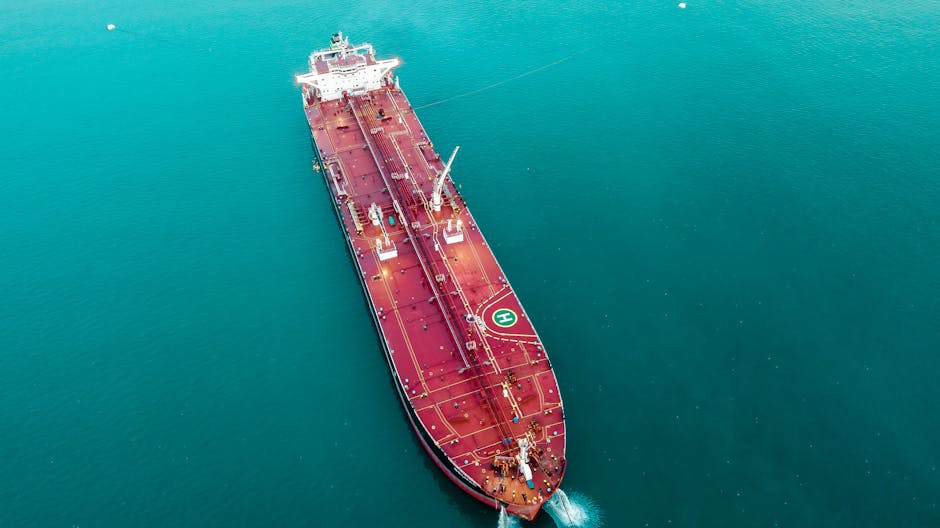
Energy lockdowns, triggered by fuel shortages and geopolitical disruptions, may lead to significant impacts on economies, supply chains, and daily life worldwide.
The global conversation about supply chain disruptions has shifted from pandemic lockdowns to an even more unsettling prospect: energy lockdowns. Unlike coronavirus-related restrictions, which were government-imposed to curb the spread of disease, energy lockdowns are emerging as a reactive necessity to address dwindling fuel supplies, geopolitical tensions, and disrupted trade routes. Key chokepoints like the Strait of Hormuz are bringing these issues to the forefront, and the repercussions could be monumental.
What is an energy lockdown?
An energy lockdown involves restricting the use or availability of energy. This could mean limiting business operations to specific times, reducing garbage collection schedules, or even enforcing curfews to decrease energy consumption. These measures differ from traditional lockdowns in that they focus entirely on conservation tied to an energy shortage. According to analysts, this new phenomenon has already begun in some parts of the world and may significantly affect markets, households, and industries globally if the trend spreads.
Root causes behind energy lockdowns
-
Geopolitical tensions: A significant catalyst for current energy instability is the disruption in oil trade flowing through the Strait of Hormuz, a critical chokepoint where approximately 20% of the world’s oil passes. Recent actions by Iran, such as stationing mines in the strait and blocking certain shipping routes, have exacerbated the crisis.
-
Fuel shortages: In countries like Vietnam, Myanmar, and Pakistan, oil reserves range from just 6 to 26 days of supply. Without quick intervention, these nations risk energy collapses impacting everything from food distribution to healthcare operations.
-
Rising costs and price shocks: With reduced oil availability, fuel prices are climbing dramatically. This leads to slower deliveries and shortages in basic commodities, from food to raw materials.
Effects on daily life and global markets
The prospect of energy lockdowns brings a cascade of consequences. Many of these ripple effects are already being observed in affected regions:
Restricted services and operations
Governments in places like the Philippines and Australia are implementing rationing plans for electricity and fuel. For example:
- Garbage collection frequency is being halved in some areas.
- Factories and offices are being asked to operate only during set hours to minimize energy consumption.
- Panic-buying of fuel has already begun in some nations, increasing the strain on limited resources.
Transportation and supply chain disruptions
Energy shortages lead to reduced availability of diesel, which is crucial for harvesting crops, transporting goods, and powering factories. The statement, “No fuel, no food,” aptly summarizes the cascading effects. If farmers cannot harvest crops due to fuel scarcity, it results in food shortages that ripple outward to grocery stores and households.
Countries with shrinking oil reserves
| Country | Number of days of oil reserves left |
|---|---|
| Vietnam | 6 days |
| Myanmar | 9 days |
| Cambodia | 17 days |
| Australia | 20 days |
| India | 49 days |
| New Zealand | 39 days |
Economic impacts
Markets are increasingly vulnerable to this evolving crisis. Though energy shortages strike specific countries, the contagion effect can lead to global stock market volatility. Investors closely watching oil supply disruptions may also see this reflected in crypto markets—a sector known for being particularly sensitive to external shocks.
Lessons from past oil crises
The world faced severe oil disruptions in the 1970s, particularly during the famous gas shortage in the United States. Inflation skyrocketed, unemployment rose, and industries heavily dependent on fuel—like automotive manufacturing—nearly collapsed. To mitigate future shocks, the U.S. established a Strategic Petroleum Reserve, a measure that some countries may be unable to emulate today due to limited resources.
Risk of escalating geopolitical issues
Strait of Hormuz and Bab al-Mandeb closure risks
Iran’s strategy to control oil flow through the Strait of Hormuz has already led to worldwide fuel supply issues. However, their threats to extend control to other critical waterways like Bab al-Mandeb, a significant trade route for Europe and Asia, could further amplify disruptions. Such actions isolate oil-dependent nations and weaken economic systems reliant on uninterrupted trade.
Impact on U.S. geopolitical standing
Analysts warn that U.S. inability to secure these chokepoints could undermine its status as a global superpower. With other key players like Iran gaining leverage by disrupting oil markets, questions about America’s capacity to lead on global energy security are emerging. Should disruptions remain unchecked, currencies pegged to oil, like the U.S. dollar as a reserve currency, could face declining influence.
Potential solutions and mitigation strategies
Short-term actions
- Emergency rationing: Countries might implement strict energy consumption restrictions to prolong existing reserves.
- Alternative imports: Nations could rapidly negotiate with new suppliers to diversify oil sources temporarily, though this is logistically complex.
Long-term strategies
- Strategic oil reserves: Like the United States, other nations must prioritize building robust oil reserves to buffer against future crises.
- Transition to renewables: Expanding investments in wind, solar, and other renewable energy markets ensures that countries no longer depend as heavily on fossil fuels.
- Strengthened energy alliances: International partnerships could help mitigate geopolitics-driven shortages by sharing reserves during emergencies.
Practical takeaways for individuals
While nations grapple with large-scale energy strategies, individuals can also take steps to prepare for possible energy lockdowns:
- Keep emergency supplies of food, water, and essential items, as delivery delays could become the norm.
- Reduce household energy dependency by investing in small-scale renewable systems like solar panels.
- Pay attention to local government warnings about fuel shortages and energy rationing plans.
Conclusion
Energy lockdowns could reshape our understanding of security, emphasizing not just disease immunity but energy sustainability. The potential for food shortages, market upheavals, and large-scale disruptions is no longer speculative but imminent in regions with little oil left. Although strategic reserves and policy changes could play vital roles in mitigating impacts, the geopolitical landscape suggests that vulnerable trade routes like the Strait of Hormuz and Bab al-Mandeb will continue challenging global stability. It's crucial for both policymakers and individuals to act with urgency.
Comments
Loading comments…


