Federal Reserve Halts Rate Cuts Amid Rising Gas Prices, Stock Market Volatility
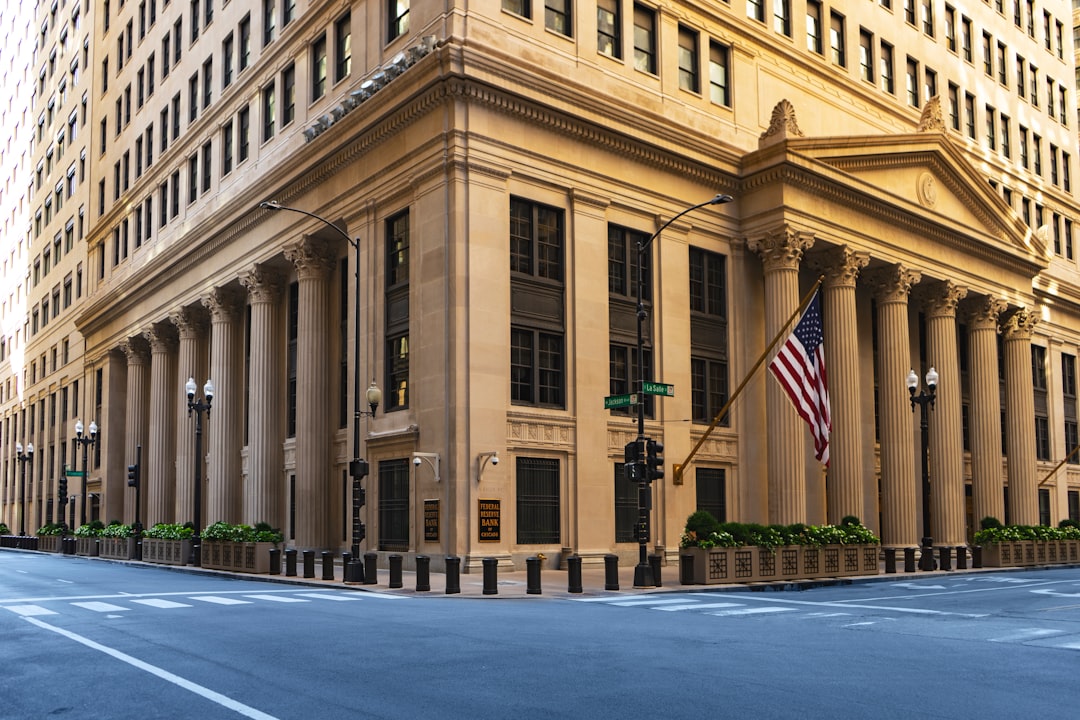
The Federal Reserve halts rate cuts due to rising inflation risks, as gas prices soar. Analysts warn of a potential stagflation scenario.
The Federal Reserve has decided to hit the brakes on rate cuts, citing mounting concerns over inflation driven by surging oil prices. This announcement comes amidst an already volatile economic environment marked by rising consumer costs, a softening job market, and a plummeting stock market.
Why the Federal Reserve Paused Rate Cuts
At the Federal Reserve's latest meeting, officials confirmed that interest rate cuts are no longer on the table for the foreseeable future. Instead, they are adopting a "wait-and-see" approach to gather more data on inflation and economic activity. This decision comes at a particularly challenging time for the U.S. economy, as surging oil prices threaten to reignite inflation.
According to the Federal Reserve, a 10% increase in oil prices typically raises the energy Consumer Price Index (CPI) by 1.5%, which then cascades into higher costs for goods and services. The national average gas price has recently spiked from $3.21 to $3.53 per gallon in just one week—a staggering 10% increase. If this trend continues, inflation, which was reported at 2.4% in February, could jump to 3.5% or higher.
This situation leaves the Federal Reserve in a difficult position. Lowering interest rates could boost a weakening economy, but surging oil prices make inflation control a top priority. For now, the Fed has chosen stability over stimulus.
The Economic Domino Effect: From Gas Prices to Consumer Costs
Gas prices are not just an inconvenience for drivers—they have far-reaching effects on the economy. Oil is a critical resource in nearly every industry, from agriculture and manufacturing to transportation. When oil prices rise, businesses face squeezed profit margins and are forced to pass higher costs on to consumers, creating a domino effect:
- Groceries rise due to higher transportation and farming costs
- Shipping costs for goods like Amazon packages increase
- Airfare becomes pricier as airlines adjust to fuel costs
This chain reaction places additional strain on households and reduces discretionary spending. In turn, businesses see declining revenue, exacerbating overall economic uncertainty.
Stock Market Pullback: Where Are We Headed?
The stock market, already on edge, has reacted sharply to these developments. The S&P 500 is currently trading 5% below its all-time high. Historically, pullbacks like this are common; the market typically corrects 10% every 18 months and 20% every four years. While these dips are not unusual, they add to growing concerns about economic stability.
What's driving this volatility? Analysts point to several factors:
- Rising oil prices
- Political and geopolitical uncertainty
- Concerns over the Federal Reserve's next moves
Interestingly, pessimism in the market often creates opportunities for long-term investors. Data shows that markets frequently recover within six months following geopolitical or economic shocks. Given this historical context, some investors see the current climate as a strategic buying opportunity.
Stagflation: A Real Possibility?
The term stagflation—a period of high inflation paired with rising unemployment—has gained renewed relevance. Key indicators include:
- A softening job market
- Declining personal savings rates
- Persistent inflation caused by high oil prices
These conditions resemble a "perfect storm" for stagflation, last seen in the 1970s during the Arab oil embargo. If stagflation materializes, the Federal Reserve will face limited options, as raising interest rates to combat inflation could further harm employment and economic growth.
What About Housing?
The housing market is showing signs of stagnation. With affordability at historic lows, home prices are beginning to plateau. According to JP Morgan, housing price appreciation is expected to stall at 0% through 2026. Inventory levels for single-family homes have more than doubled since 2022, giving buyers more negotiating power. However, high mortgage rates (currently above 6%) are discouraging many buyers from entering the market.
Sellers locked into ultra-low mortgage rates from 2020–2021 are also reluctant to sell unless they receive top dollar, limiting inventory turnover. This standoff has resulted in what many are calling the most balanced housing market in a decade, with neither buyers nor sellers holding a clear advantage.
Practical Takeaways for Consumers and Investors
So, what can you do amidst this economic uncertainty? Here are a few key takeaways:
- Monitor Inflation: Keep an eye on gas prices and overall inflation trends. These will likely determine the Federal Reserve's next moves.
- Accumulate Assets: Market downturns have historically been good buying opportunities for long-term investors. Stocks, index funds, and cryptocurrency may offer value during this period of volatility.
- Diversify Investments: Don’t overconcentrate your portfolio in one sector. Balance exposure to stocks, bonds, and alternative assets like cryptocurrency or real estate.
- Manage Housing Expectations: If you’re looking to buy, patience might pay off. With inventory increasing and prices softening, waiting could lead to better deals.
What’s Next for the Federal Reserve?
The Federal Reserve is likely in a holding pattern until its next few meetings. Officials have projected one rate cut by 2026, but near-term rate reductions are highly unlikely. Incoming data on inflation and unemployment will determine future actions.
In addition, with Jerome Powell’s term ending in May and Kevin Warsh nominated as his potential replacement, political dynamics could further delay any decisions on interest rates. Powell’s leadership has faced criticism, but a federal judge recently dismissed criminal subpoenas against him, clearing the way for him to focus solely on monetary policy.
Conclusion
The Federal Reserve’s decision to pause rate cuts highlights the complex challenges facing the U.S. economy, as high oil prices threaten renewed inflation. The stock market, housing market, and individual consumers will all feel the impact of these dynamics in the months ahead. While uncertainty remains, historical trends suggest that this period of volatility could present opportunities for those with a long-term focus.
As always in turbulent markets, a balanced approach—spanning various asset classes and minimizing risk—is the most prudent strategy. Whether rates stay steady or rise, adaptability will be key for both investors and everyday consumers navigating the evolving economic landscape.
Staff Writer
Priya writes about blockchain technology, DeFi, and digital currency regulation.
Comments
Loading comments…


