Global Stock Market Sell-Off: Key Drivers Behind the Recent Downturn
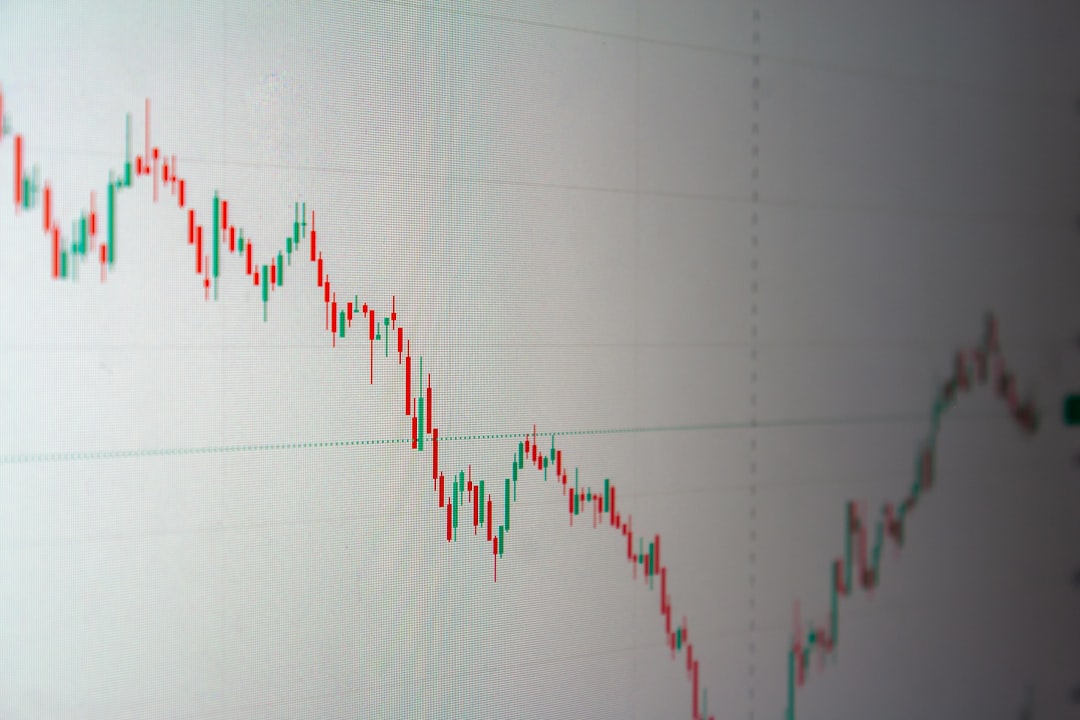
Stock markets worldwide faced significant declines as geopolitical tensions and bond yield spikes fueled a risk-off sentiment. Here's what happened.
Global stock markets experienced a significant sell-off in the latest trading session, driven by a combination of geopolitical tensions, rising bond yields, and heightened investor caution. This article examines the major factors contributing to the widespread losses across equities, bonds, and currency markets, with a specific focus on the events from March 23, 2026.
Global Equity Markets: A Sea of Red
The most striking feature of the latest trading session was the steep decline in global equity markets. Major indices in the United States recorded their fourth straight week of losses, reflecting sustained negative momentum. This “sea of red” was not confined to the U.S.; markets across Europe and Asia also faced significant selling pressure.
Investors' flight from equities stems from a prevailing risk-off sentiment, largely fueled by escalating geopolitical tensions in the Middle East. The lack of a near-term resolution to ongoing conflicts has left investors wary, prompting widespread sell-offs across multiple regions. Such sustained losses highlight broader concerns beyond daily market fluctuations, marking a challenging environment for global equity investors.
Spikes in Bond Yields Signal Risks
The bond market also saw substantial shifts during the same session. As the sell-off in equities gained momentum, bond yields climbed sharply due to intense selling pressure.
In the United States, the 10-year Treasury yield surged by 11 basis points, reaching its highest levels since 2011 at nearly 5.2%. Similarly, yields in the UK climbed 13 basis points, reflecting investors’ willingness to offload bonds in the face of uncertain market conditions. Futures markets further priced in potential rate hikes, with the Reserve Bank of Australia now expected to raise rates an additional three times, signaling a terminal cash rate of 4.85%.
These movements underline the tightrope central banks must walk as they balance inflation control with maintaining stability in the broader financial ecosystem. Rising yields often weigh on corporate borrowing costs, further pressuring equity valuations in an already volatile setting.
Currency Market Reactions
Currency markets provided another layer of complexity, with the U.S. dollar emerging as a key beneficiary of the risk-off environment. The USD Index gained 0.4%, climbing to 99.65 as investors sought the safety of the world’s reserve currency.
At the same time, the Australian dollar showed pronounced weakness, declining around 1% to 0.7023 against the U.S. dollar. Losses were broad-based across its currency pairs, highlighting general concerns about the economic outlook for Australia amid rising rate expectations and heightened global uncertainty.
Key Takeaways from the Currency Movements:
- Strength in the U.S. Dollar: Risk aversion and its status as a safe-haven currency pushed the greenback higher.
- Australian Dollar Weakness: A combination of internal and external factors weighed heavily on the Aussie dollar, making it one of the notable underperformers during the session.
Why Is the Risk-Off Sentiment Prevailing?
The root cause of the broader market sell-off is tied to geopolitical tensions in the Middle East. The lack of a clear resolution or path toward stability has shaken investor confidence. Events in this region often create ripple effects across global markets, affecting everything from oil prices to investor sentiment.
Given the heightened uncertainty, markets are increasingly pricing in worst-case scenarios, including prolonged disruptions to energy supply chains and further economic deceleration. This caution feeds into other systemic market concerns, such as inflation and monetary policy unpredictability.
What’s Next for Investors?
Looking ahead, markets are likely to remain volatile in the short term as geopolitical risks and bond yield movements continue to dominate headlines. For investors, diversification and a focus on long-term fundamentals could be crucial strategies during such uncertain times.
Practical Tips for Navigating Volatile Markets:
- Stay Diversified: Consider spreading investments across asset classes to reduce risk.
- Monitor Geopolitical Developments: Key events and announcements can have immediate impacts on market performance.
- Focus on Long-Term Goals: Short-term volatility should not dictate long-term investment strategies.
Conclusion
The global sell-off in equities, accompanied by spikes in bond yields and currency fluctuations, underscores the challenges in today’s financial landscape. With no clear end to geopolitical tensions, the risk-off sentiment is likely to persist, keeping markets volatile. Investors should remain vigilant, track developments closely, and align their strategies with broader economic fundamentals to navigate these complex conditions effectively.
Staff Writer
James covers financial markets, cryptocurrency, and economic policy.
Comments
Loading comments…


