Global Stock Markets Plunge Amid Escalating Middle East Tensions
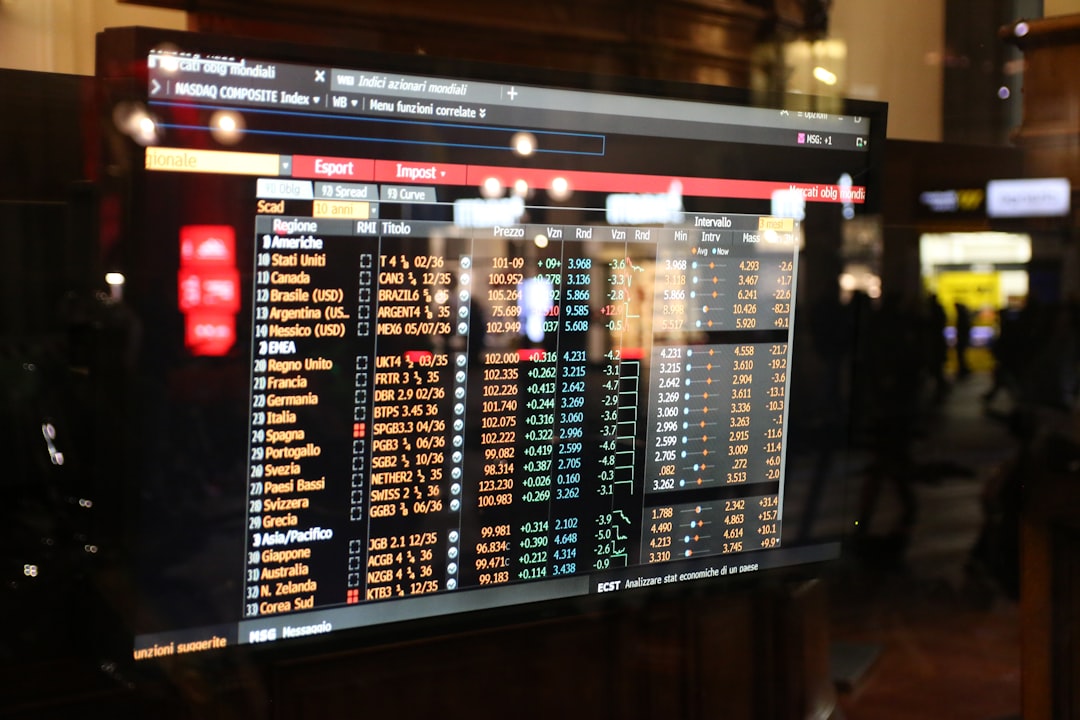
Global stock markets experience massive sell-offs amid fears of escalating Middle East tensions and potential geopolitical conflict.
Global stock markets faced significant disruptions today as sweeping sell-offs panicked investors across indices. Widespread concerns about escalating geopolitical tensions in the Middle East served as the primary catalyst behind the market downturn, according to market analysts. This sharp fall, described as reminiscent of earlier economic shocks, such as those during COVID-19, has left investors grappling with extensive portfolio losses.
Nifty and Sensex Witness Major Declines
India’s stock markets were among the hardest hit, with both the Sensex and the Nifty suffering sharp declines. The Sensex dropped over 1,800 points, while the Nifty 50 tumbled 600 points, registering a fall exceeding 2.5%. The market’s downturn began with lower-than-expected opening levels, as the Nifty breached the critical 23,000-point mark, setting the stage for an ongoing slump throughout the trading day.
Other indices did not fare any better, with mid-cap and small-cap stocks absorbing even heavier losses. The mid-cap index sank approximately 4% to 4.5%, while small-cap stocks faced a plunge of over 4.5%. Micro-cap companies bore the brunt of the sell-offs, with declines as steep as 5%. These sharp downturns were compounded by weak global cues and lingering fears of escalating tension in the Gulf region.
"It’s a bloodbath," market observers remarked, pointing out that nearly all sectors suffered massive losses as the bearish sentiment gained momentum.
Sectoral Losses Across the Board
Almost every major sector reported heavy losses today, further exacerbating the market’s fall. Here’s how sector performance shaped up:
- Nifty IT: While marginally less affected, it marked one of the day’s least severe declines. Its resilience provided some semblance of relief.
- Auto, FMCG, and Media: These industries experienced sharp sell-offs, aligned with broader market trends.
- Finance and Real Estate: Both sectors saw heavy outflows, with broader declines averaging between 3% and 4%.
- Small and Micro-cap Stocks: Micro-cap stocks were especially impacted, plunging by more than 4.5% in a single trading session.
The volatility index (VIX), a measure of market uncertainty, has surged to worrying levels, highlighting the fear gripping markets worldwide.
Global Geopolitical Factors to Blame
Market analysts and observers laid the blame squarely on escalating geopolitical tensions in the Middle East. Over the past few days, a series of alarming developments has rattled investors:
- Rising Tensions in the Strait of Hormuz: Former U.S. President Donald Trump’s ultimatum to Iran—giving them 48 hours to open key global energy choke points like the Strait of Hormuz—has amplified fears of geopolitical instability. Trump warned of potential strikes against Iranian power plants should the ultimatum not be honored.
- Military Build-Ups: Reports suggest that the U.S. intends to deploy troops in the region, a move that has invited strong retaliatory rhetoric from Iran. Russia has also indicated its willingness to intervene on Iran’s behalf should hostilities escalate.
- Recent Attacks: Tensions intensified over the weekend following a series of attacks surrounding nuclear sites in both Iran and Israel. Early reports from Saturday and Sunday noted missile strikes damaging infrastructure and injuring dozens of civilians, further worsening the humanitarian and political situation.
"The current scenario bears the hallmarks of a looming global conflict," noted one market commentator, emphasizing that the fear of World War III is unnerving investors.
Implications for Global Markets
Indian markets were not the only ones experiencing sharp declines. European and American markets also closed in the red on Friday before the weekend escalation of tensions. Speculation over the potential impact on global energy supplies has contributed significantly to the widespread panic. The Gulf region hosts critical oil and gas fields, and any disruption due to military conflict could drive energy prices to unaffordable levels while increasing inflationary pressures worldwide.
This uncertainty has already led to increased outflows from equities, with investors shifting their preferences to safe havens such as gold, bonds, and U.S. dollars.
What’s Next for Investors?
All eyes are on the next 48 hours to see how the situation unfolds. If no attacks occur, a potential relief rally could follow, bringing some respite to beleaguered markets. However, the looming sense of unpredictability means that markets may remain fragile regardless of the developments.
Investors are advised to tread cautiously in the near term, given that the broader market sentiment remains bearish. Analysts suggest the following:
- Avoid High Risk Sectors: Mid-cap, small-cap, and micro-cap stocks are particularly vulnerable under current conditions.
- Track Geopolitical Developments: The resolution or escalation of the crisis in the Middle East will directly influence market movements.
- Focus on Defensive Plays: Industries such as pharmaceuticals and utilities may offer a safer investment route for those seeking stability.
- Diversify Portfolios: Investing in a mix of asset classes, including gold and government bonds, can reduce exposure to market volatility.
Conclusion
Today’s sharp sell-off across global markets, led by worsening tension in the Middle East, underscores the fragile nature of geopolitical and economic systems. The fear of a possible conflict among world powers, as highlighted by the events of the weekend, has sent ripples through the financial world, leaving investors in a heightened state of vigilance.
Whether markets will stabilize or see further panic selling will depend heavily on developments over the next two days. Investors should be prepared for volatility and employ strategies that account for the heightened risks in the current environment.
Staff Writer
Priya writes about blockchain technology, DeFi, and digital currency regulation.
Comments
Loading comments…


