Grayscale's 2026 Crypto Outlook: Institutional Era Predictions
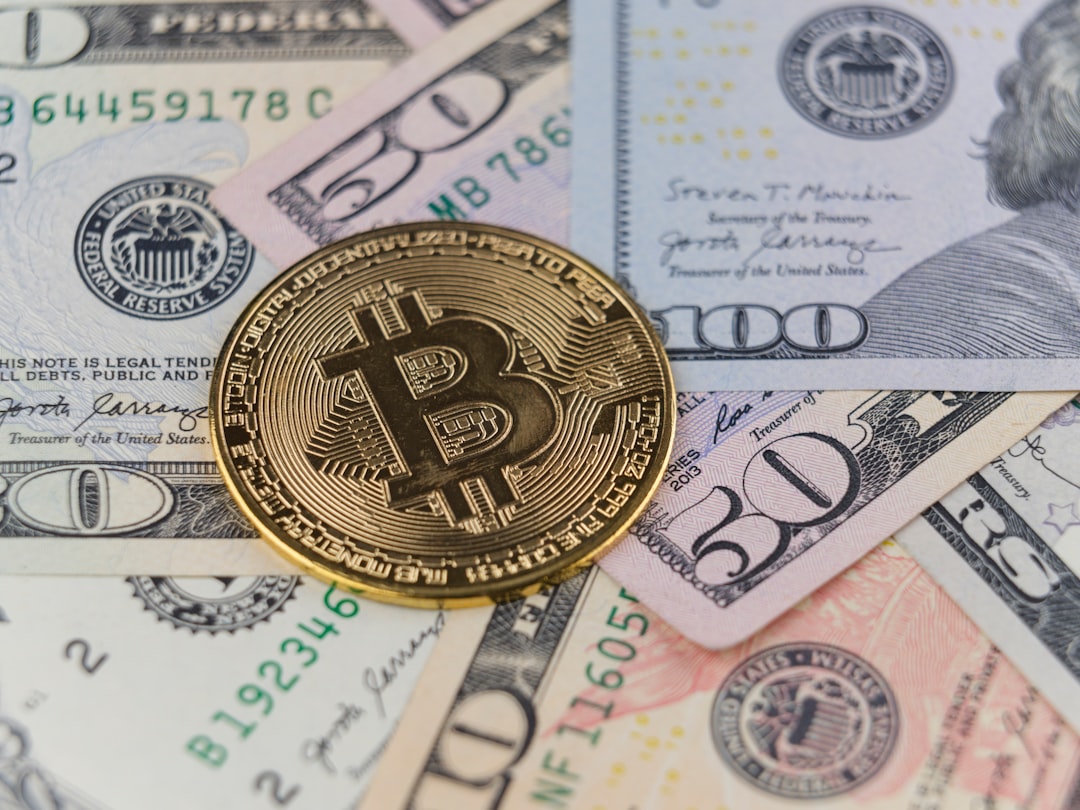
Grayscale forecasts a surge in crypto adoption by institutions in 2026, driven by demand for digital assets and clearer regulations.
Grayscale, one of the leading cryptocurrency asset managers, has recently released its digital asset outlook for 2026, predicting the year will be a turning point for institutional investment in cryptocurrencies. The forecast revolves around two key themes: mounting macroeconomic demand for alternative stores of value and enhanced regulatory clarity. With Bitcoin currently trading around $87,000 and other major cryptocurrencies, like Ether, showing slight declines, the conversation about the future of the crypto market is more crucial than ever.
2026: The Dawn of Institutional Investment
Zach Pandle, head of research at Grayscale, described the upcoming year as the dawn of the institutional era for cryptocurrencies. This claim is backed by expectations that trends toward alternative stores of value and improved regulatory frameworks will attract substantial new investment, particularly from wealth advisors and institutional investors. The report emphasizes that the renewed interest from institutions could profoundly impact market dynamics.
Key Factors Driving Institutional Interest
-
Demand for Alternative Stores of Value: Pandle highlights that traditional assets are facing challenges due to national debt and currency devaluation risks, which is driving interest toward cryptocurrencies, particularly Bitcoin. With its perception as a digital gold, Bitcoin is leading this charge, appealing to those seeking safer alternatives amid economic uncertainties.
-
Regulatory Clarity: Comprehensive guidelines surrounding cryptocurrencies will be essential for institutional acceptance. Pandle pointed out the importance of ongoing developments within the regulatory framework, which have allowed for greater certainty in how digital assets are classified and regulated. This includes bipartisan efforts toward passing a market structure bill in Congress, aimed at streamlining the regulatory process and promoting further investment in the industry.
| Factor | Description |
|---|---|
| Demand for Value | Increased interest in Bitcoin as a safeguard against inflation and fiat risk. |
| Regulatory Framework | Ongoing regulations are expected to clarify the status of digital assets. |
Regulatory Developments and Legislative Outlook
The anticipation around U.S. regulatory action is palpable within the crypto community. Following Grayscale's significant legal victory against the SEC regarding Bitcoin exchange-traded products (ETPs), there is optimism about further advancements in legislation. The SEC's introduction of clarified listing standards for digital asset exchanges came as a positive sign, paving the way for more crypto assets to enter the mainstream investment arena.
These efforts are essential not just for clarity but also for stimulating innovation within the crypto sector. Pandle explains that as regulation solidifies, startups and established businesses alike will be more comfortable integrating tokens into their capital structures, thereby broadening the market.
Anticipated Changes in 2026
Grayscale's projections include several critical developments for the coming year:
- An increase in financial products linked to cryptocurrencies, such as ETPs for other popular tokens like Solana, XRP, and Dogecoin.
- Further clarity surrounding token classifications, which may categorize many digital assets as securities. This differentiation could facilitate their issuance and acceptance in traditional markets.
- A sustained influx of institutional capital, contingent on fostering bipartisan support for regulatory legislation.
Price Predictions for Bitcoin
Grayscale’s report indicates that Bitcoin might reach an all-time high in the first half of 2026, contingent upon favorable macroeconomic conditions. Factors contributing to this possible surge include:
- A potential weakening of the U.S. dollar and expectations of Federal Reserve interest rate cuts.
- The growing interest in physical assets like gold and silver, which parallels the increasing investment in cryptocurrencies as alternative stores of value.
- Enhanced regulatory frameworks that facilitate broader market participation.
According to Pandle, if the anticipated bipartisan support for crypto legislation falters, it could present downside risks for Bitcoin and the broader market. Consequently, the geopolitical and economic landscapes will play significant roles in shaping crypto valuations.
What Won’t Drive the Market in 2026
Interestingly, the report identifies specific topics unlikely to influence the crypto markets next year, one being digital asset treasuries. These financial vehicles, which consist of companies holding crypto assets, are expected to underperform in terms of generating noticeable market activity or valuation changes.
Pandle refers to this as a “red herring” topic within the industry, suggesting that despite their presence, these asset-holding structures may not contribute significantly to market trading or investment behaviors in 2026. Instead, they will likely act more like closed-end funds, stabilizing but not actively influencing the market.
Practical Insights for Investors
Investors looking to navigate the evolving cryptocurrency landscape must be mindful of the following:
- Monitor developments in U.S. legislative actions concerning crypto regulations. Progress towards bipartisan support may help mitigate risks associated with market volatility.
- Consider diversifying into crypto exchange-traded products that may become more accessible as regulatory clarity improves.
- Watch for macroeconomic indicators, including Federal Reserve policies that could impact the valuation of cryptocurrencies versus traditional assets.
The future of cryptocurrencies, particularly for institutional involvement, hinges closely on regulatory advancements and macroeconomic conditions. Grayscale's optimistic outlook finds solid footing in the expectation that these factors will intertwine in 2026, ushering in a new era for digital asset investment.
Conclusion
As Grayscale predicts an institutional embrace of cryptocurrencies in 2026, investors must prepare for a transformative year ahead. The combination of increased demand for alternative investments, paired with clearer regulations, may set the stage for a significant evolution in how digital assets are viewed and utilized within the financial landscape. Keeping an eye on legislative progress and economic developments will be crucial as this new institutional phase unfolds.
Comments
Loading comments…


