How AI is opening opportunities for women in blue-collar jobs
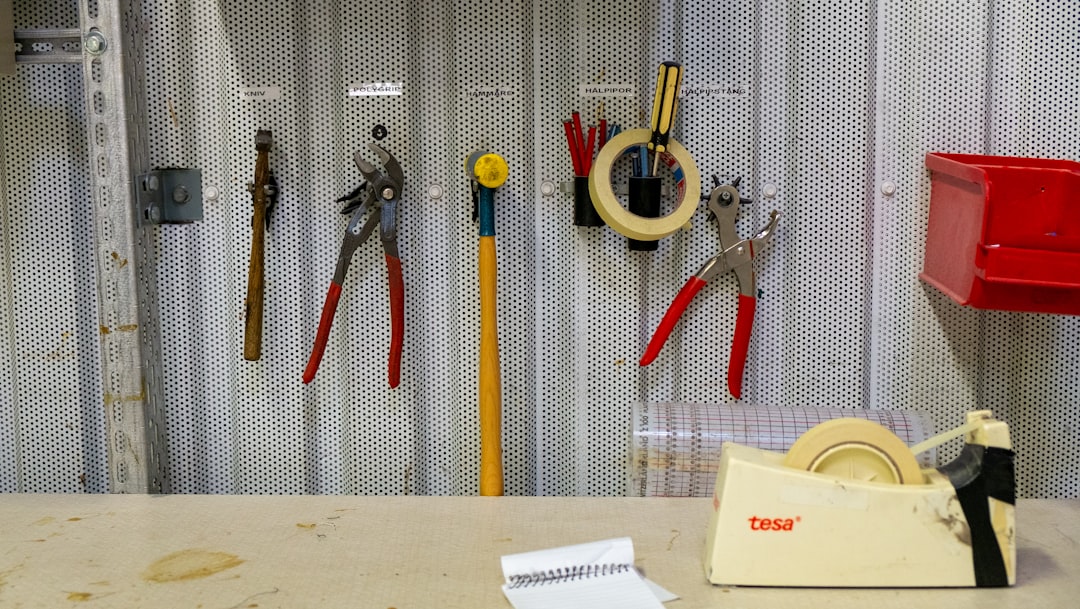
Rising wages in skilled trades are attracting more women as AI disrupts white-collar employment.
The rise of artificial intelligence (AI) is transforming job markets across America, but one sector remains notably resilient to automation: skilled trades. As AI tools redefine traditional white-collar roles, they’re also indirectly driving more women into blue-collar jobs—fields historically dominated by men.
AI and the reshaping of work
Corporate layoffs linked to AI implementation are becoming increasingly common. A growing number of experts believe this trend signals the beginning of a white-collar recession. Roles previously thought to be secure, such as analysts, content creators, and middle managers, are being replaced by algorithms capable of analyzing data, generating reports, and automating repetitive tasks. In contrast, skilled trades like plumbing, electrical work, and carpentry are largely considered AI-resistant because they rely on hands-on expertise and human intuition.
Unlike coding or administrative roles, which AI can streamline or perform with precision, trade jobs demand physical dexterity and problem-solving on-site. Installing a complex electrical system, repairing infrastructure, or customizing woodwork requires skills that robotics cannot replicate.
Women entering blue-collar roles
Blue-collar industries are facing another challenge: a labor shortage. Many skilled tradespeople are reaching retirement age, creating gaps that need to be filled urgently. This shortage presents an opportunity for a historically underrepresented group—women.
Although the percentage of women in skilled trades is still small, their participation has grown steadily over the last two decades. For instance, the number of women electricians and carpenters in the U.S. has risen steadily by 17% over that period. Despite these gains, trade industries still report very low representation: as of 2025, women make up just 3.5% of electricians and less than 3.1% of both carpenters and plumbers in the workforce.
Factors behind the growth
There are several reasons for the increase in women joining blue-collar professions:
- Higher wages: Skilled trades offer attractive pay. Between 2019 and 2024, the average starting wages for these jobs increased by more than 25%.
- Job stability: Skilled trades workers are in constant demand, ensuring steady work opportunities.
- Career growth: As industries experience labor shortages, there’s potential for faster promotions and roles with greater responsibility.
For many women, these roles provide a path to economic independence and financial security, especially as traditional industries face volatility.
Challenges women face in skilled trades
While growing opportunities are drawing more women into trades, they still face several obstacles:
- Workplace culture: Blue-collar jobs are often male-dominated environments, which can lead to challenges in terms of inclusion and respect.
- Resources and training: Access to training programs tailored for women can be limited.
- Awareness: Schools and career programs often focus more on traditional careers for women, leaving trades underrepresented.
To address these issues, organizations and unions are introducing mentorship programs and initiatives aimed specifically at women. These programs not only provide technical training but also create a network of support for navigating the industry.
AI-proof careers with growing wages
Jobs in skilled trades are not just stable—they’re increasingly lucrative. With wages growing 25% between 2019 and 2024, blue-collar professions are becoming a financially viable choice. This rise in pay correlates directly with the demand for skilled workers, as older professionals retire without enough new workers entering the field.
For women, entering these roles means capitalizing on industries that still value human expertise over automation. AI isn’t about to fix a plumbing issue, rewire a house, or craft a custom wood frame. The technical skills and creativity demanded in skilled trades offer a unique form of job security in a rapidly changing economy.
Practical advice for pursuing the trades
For women considering a trade profession, starting points include:
- Research your options: Look into industries facing labor shortages, such as electrical work, plumbing, and carpentry.
- Find training programs: Many local community colleges and vocational schools offer apprenticeships tailored for beginners.
- Join mentorship programs: Seek out female-focused initiatives in skilled trades for guidance and support.
- Expect rising demand: Labor shortages in these fields mean faster entry into jobs and higher salaries.
By starting early, women can position themselves effectively to enter highly rewarding and sustainable careers.
Future prospects for women in trades
While women currently represent only a small fraction of skilled tradespeople, the projected labor shortages and advancements in workplace inclusivity could reshape that landscape significantly. Long seen as “AI-proof,” trades provide not only stability but also growth opportunities for those entering the field.
For women ready to challenge traditional career roles, blue-collar industries may hold the key to a stable and prosperous future.
Staff Writer
James covers financial markets, cryptocurrency, and economic policy.
Comments
Loading comments…


