How Middle East Tensions Impact Luxury Carmakers
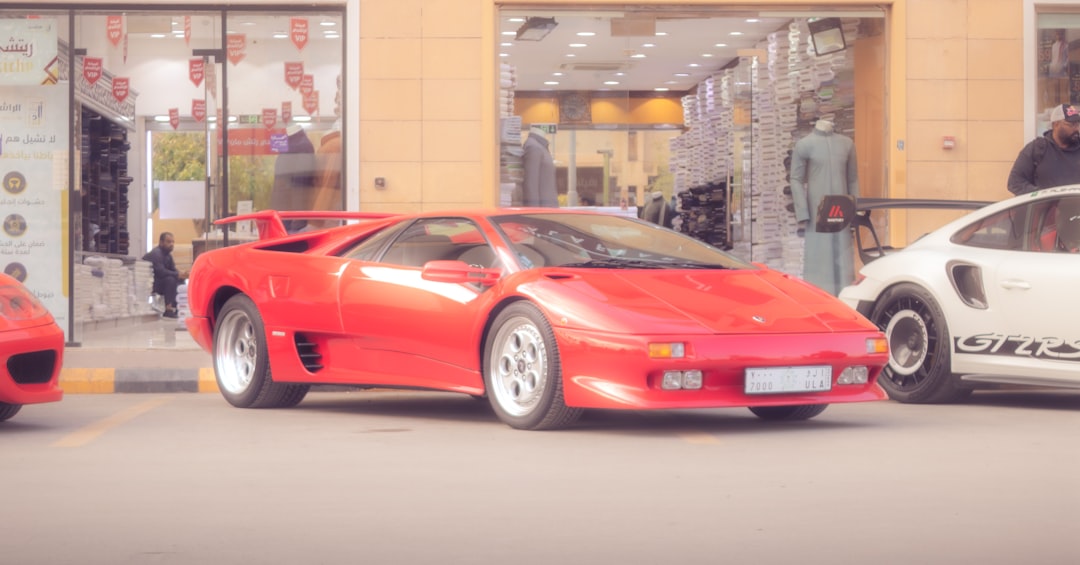
Geopolitical tensions in the Middle East are now a growing concern for luxury carmakers facing weakened demand in other global markets.
Luxury carmakers, once reliant on predictable high-margin growth in the Middle East, now face substantial risk due to escalating geopolitical tensions. As competition grows in key markets like China and newer tariffs hamper U.S. operations, automakers look to regions such as the Gulf for reliable sales, but the rising instability in the area could test this reliance.
The Middle East: A Small but Profitable Market
While the auto market in the Middle East may be smaller overall, accounting for only around 3 million car sales in 2025, its importance for premium brands cannot be overstated. The Gulf Cooperation Council (GCC) nations, particularly Saudi Arabia and the United Arab Emirates (UAE), boast a concentration of wealthy buyers who readily spend on high-end vehicles. The UAE alone accounted for over 300,000 annual car sales, with luxury brands holding a notable share of those figures.
Key Players in the Region
Japanese automaker Toyota and Korean brands like Hyundai dominate overall sales volumes. However, luxury automakers such as BMW, Porsche, Mercedes-Benz, and Ferrari earn outsized revenues by targeting affluent consumers in Gulf states.
- BMW: The brand has seen strong growth in the region. Deliveries rose by about 10% year-over-year in 2025, with high-performance models like the BMW M series growing by an impressive 38%.
- Porsche: Known for its exclusive offerings, Porsche grew revenue per vehicle by more than 25% between 2020 and 2025 in these markets. The Porsche 911 alone accounts for 20% of the company's regional sales.
- Mercedes-Benz: The brand has doubled its footprint, targeting the UAE, Saudi Arabia, and Qatar, driving double-digit growth, particularly with high-end models such as the $200,000 AMG G 63.
- Ferrari: A niche player, Ferrari shipped 626 vehicles in 2025, outpacing shipments to countries like the U.K., Switzerland, and France.
Customization and Value
The Middle East also stands out for its inclination toward ultra-bespoke luxury. For instance, Rolls-Royce reported that the region had the highest average value per customized car globally in 2024. Porsche’s Sonderwunsch customization division saw 125% growth between 2020 and 2024, further highlighting the appetite for exclusivity.
How Geopolitical Tensions Threaten Growth
Despite its profitability, the Middle Eastern luxury car market is vulnerable to challenges from regional instability.
Short-Term Risks
Recent conflicts in the region create immediate obstacles. Travel restrictions, reduced showroom traffic, and supply chain disruptions are some of the pressing concerns. For instance, Porsche mentioned that instability could directly impact both demand and logistics.
Long-Term Impact
Wealth in the region, often tied to volatile asset prices and financial markets, could see a gradual decline during prolonged instability. This would discourage discretionary spending on high-ticket purchases like luxury cars.
Automakers Respond
Automakers are taking cautious measures. Mercedes stated that it is closely monitoring the situation but refrained from making conclusive projections. The resilience of the market was also underscored by GlobalData, which highlights that while geopolitical tensions might dampen near-term sales, the region remains a vital long-term growth opportunity for luxury brands.
Growing Dependence on the Middle East
Luxury carmakers are increasingly reliant on Middle Eastern buyers as other markets falter:
- China: Fierce competition, particularly from domestic electric vehicle brands, has made it harder for foreign automakers to dominate.
- United States: Tariffs and changing economic conditions have put additional pressure on luxury vehicle pricing.
- Europe: Slowing economies in the European Union have led to declining consumer confidence, reducing demand for expensive imports.
Recent financial reports underline this shifting dynamic. In late 2025, Porsche posted its first quarterly loss as a public company. Similarly, Mercedes reported that its annual operating profit was down more than 50%.
Notable Bright Spots in Luxury
Despite challenges, specific segments continued to perform exceptionally:
- Custom Models: Wealthy buyers in the Middle East increasingly request one-of-a-kind customizations, driving higher per-unit revenues.
- High-Performance Vehicles: Models like BMW’s M variants and the Porsche 911 are fueling regional growth rates of over 7% annually, projected to continue through 2033.
- Electric Vehicles: Even Tesla, facing demand slowdowns elsewhere, has strengthened its presence in the region, reflecting the broader opportunities for innovation and diversification.
Practical Takeaways for the Industry
Luxury automakers looking to maintain their foothold in the Middle East should prioritize these strategies:
- Supply Chain Resilience: Diversify supplier relationships to mitigate potential disruptions caused by regional conflicts.
- Enhanced Local Presence: Strengthen investments in showrooms and service centers in high-demand areas such as the UAE, Saudi Arabia, and Kuwait.
- Appeal to Loyalty: The wealthiest buyers in the region demand personalization. Leverage customization programs to maintain customer loyalty while boosting revenues.
- Alternative Fuels: As electric vehicles gain traction globally, premium electric offerings tailored to this market could help brands stay ahead.
Conclusion
The Middle East remains a critical pillar for luxury carmakers, contributing significantly to their global financial health. However, as geopolitical conflicts rise, these automakers may face considerable uncertainty. Strategies that emphasize resilience, coupled with continued appeal to high-net-worth buyers seeking exclusivity, will be essential for sustained growth in this challenging but lucrative market.
Comments
Loading comments…


