How Palantir’s AI Technology Is Shaping Modern Warfare
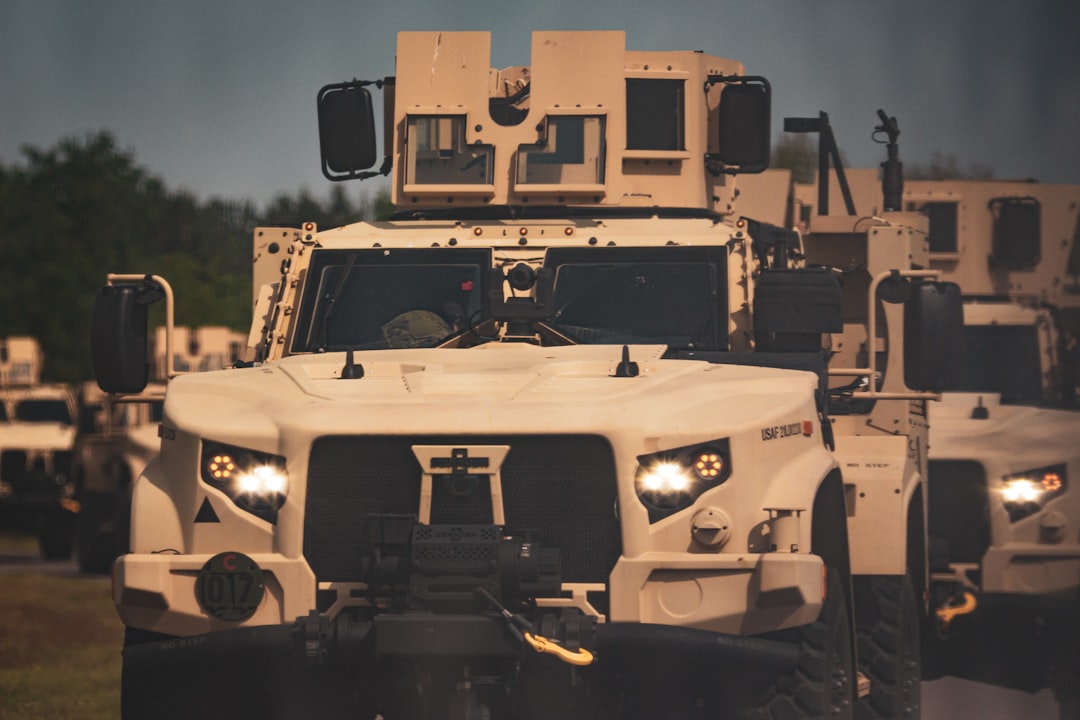
Palantir's AI tools are transforming modern warfare with precision targeting, surveillance, and AI infrastructure, as explained by CEO Alex Karp.
Palantir Technologies has long been a prominent player in the tech world, but in recent years, their focus on defense applications has positioned them at the forefront of modern warfare. At Palantir’s annual Artificial Intelligence Platform conference, where Fortune 500 companies and U.S. government representatives gathered, CEO Alex Karp provided inside insights into how their technology is reshaping conflict on the global stage.
A Surge in Palantir's Commercial Success
Palantir’s business is flourishing, with a reported 137% year-over-year increase in revenue during the fourth quarter. While this growth is remarkable, the spotlight remains firmly on the company’s contributions to defense initiatives. Specifically, Palantir’s AI capabilities are making significant advancements in the precision and efficiency of military operations.
Palantir’s defense-related technologies, including its notable Project Maven, are not just tools but central elements in shifting war dynamics. Karp emphasized that U.S. military operations, using Palantir’s solutions, can now target adversaries with greater accuracy, speed, and efficiency. This precision minimizes collateral damage while improving operational outcomes.
Project Maven: A Key Component
Project Maven has become synonymous with Palantir’s influence in national security. This surveillance technology is designed to identify threats and support decision-making in military contexts. While specific operations remain classified, reports indicate that Project Maven has been critical in high-profile missions, including the reported apprehension of Venezuela’s Nicolás Maduro.
During the interview, Karp declined to confirm specifics about whether technologies like Project Maven had been used in activities targeting Iran’s Supreme Leader. However, he did elaborate on the importance of transforming legacy infrastructure, both in commercial and governmental sectors, into platforms that leverage post-industrial technologies. This transformation, he argues, is critical to maintaining advantages in modern warfare.
An Evolving Role in the Middle East
A major focus for Palantir is its expanding role in the Middle East. Karp noted that Palantir’s technologies are helping allies under attack by Iran. Though he did not confirm specific names or groups, there is strong evidence suggesting that its platforms are widely used by both Arab and non-Arab allies in the region.
The speed at which AI technologies are being adopted in these areas highlights the urgency and scale at which modern warfare is changing. For Middle Eastern allies, Palantir’s systems offer vital intelligence and operational capabilities that are key to defending against threats and maintaining stability in the region.
AI and Cybersecurity Risks
One of the growing concerns in leveraging advanced AI for military purposes is the corresponding vulnerability of AI infrastructure to attack. The recent bombing of three Amazon data centers underscores this issue, showing how adversaries are targeting critical infrastructure.
Karp acknowledged these challenges, describing them as both a risk and a transformation in the dynamics of war. He stated, “They’re evil. They’re not stupid.” This reflects the calculated measures adversaries are employing, particularly against AI and cybersecurity assets. Targeting AI infrastructure, he noted, has the potential to escalate the conflict to unprecedented levels.
How Artificial Intelligence Is Changing War
Artificial intelligence is no longer an abstract concept discussed in boardrooms. It is actively reshaping the ways conflicts are managed and resolved. From surveillance to precision targeting, AI technologies like those developed by Palantir are allowing decision-makers to act faster and with greater accuracy than ever before.
The rapid advances in AI also mean that infrastructure, both physical and cyber, is now a significant aspect of military strategy. Vulnerabilities in such infrastructure represent a critical weakness, and nations are striving to protect these assets while increasing their own capabilities.
Practical Takeaways for Modern Defense
- Precise Targeting: Palantir’s AI systems minimize collateral damage, bridging the gap between human decision-making and technological execution.
- Rapid Decision-Making: Platforms like Project Maven equip military leaders with real-time information to make faster, more informed choices.
- Cybersecurity Focus: Protecting AI infrastructure is a growing priority, as attacks on technology hubs demonstrate.
- Global Adoption: Palantir’s systems are not confined to the U.S.; allies worldwide, particularly in the Middle East, are using its tools to respond to escalating threats.
Conclusion
Palantir’s artificial intelligence capabilities are transforming modern warfare. With tools like Project Maven enabling greater precision and efficiency, and a central strategy to modernize infrastructure for today’s technologies, the company is making a profound impact. However, as AI becomes a cornerstone of military operations, the threat of infrastructure attacks is a stark reminder of its vulnerabilities. The future of conflict will be shaped as much by the success of companies like Palantir as by the strategies of the nations employing their tools.
Staff Writer
James covers financial markets, cryptocurrency, and economic policy.
Comments
Loading comments…


