How the Helium Shortage is Impacting Semiconductor Production
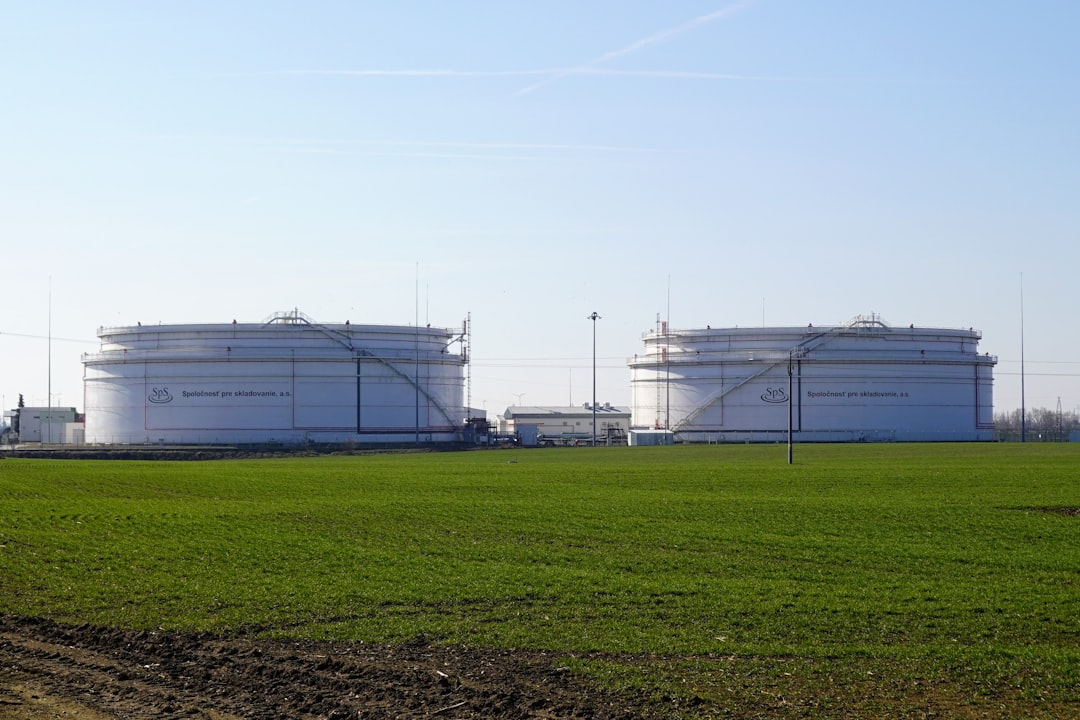
A helium shortage triggered by Middle East conflicts has disrupted supply chains, with the semiconductor industry facing potential production challenges.
The global supply of helium, a non-renewable resource critical to several industries, has been significantly disrupted by the ongoing U.S.-Israel conflict with Iran. Industries such as medical imaging, aerospace, and electronics are bracing for prolonged shortages. Most importantly, the semiconductor sector, which relies heavily on helium for lithography, has been identified as one of the hardest hit. With helium prices surging by 70% to 100% in mere weeks, the consequences for chip manufacturers and downstream industries could be far-reaching.
Why is Helium in Short Supply?
The current helium shortage stems primarily from geopolitical instability in the Middle East. Qatar, which accounts for over a third of the world's helium production, has seen its supply chains disrupted after an Iranian drone strike resulted in the shutdown of QatarEnergy's Ras Laffan Industrial City. This facility not only represents the world’s largest liquefied natural gas export plant but also produces helium as a byproduct.
Adding to the complexity, the Strait of Hormuz—a critical chokepoint for Qatar's exports—has also been deemed unsafe for tankers to navigate due to rising hostilities. This has stalled the transportation of helium-laden shipments even further.
Although the market had experienced an oversupply of helium in the two years prior, the current disruptions have significantly reversed that trend. While a complete 30% supply deficit isn't anticipated, experts predict a shortfall in the range of 15%—a figure still capable of wreaking havoc on dependent markets.
Helium's Role in the Semiconductor Industry
Helium plays an indispensable role in semiconductor manufacturing, particularly in the lithography process used to etch intricate circuitry onto microchips. The absence of any viable alternatives to helium makes its availability critical.
The Semiconductor Industry Association emphasized this vulnerability earlier in 2023, noting that a major disruption in the helium supply chain would directly threaten global semiconductor production capacity. Without sufficient helium, chipmakers face delays, added costs, and the potential to fall behind in meeting the global demand for electronics.
Rising Costs and Economic Consequences
With the spike in helium spot prices, industries are being forced to prioritize where their limited allocations will go. In cases like these, suppliers often resort to rationing via price increases. This ensures that the highest bidders—typically industries with critical applications like medical imaging or semiconductor manufacturing—secure their share of the reduced supply.
However, this increase in cost is likely to cascade through the entire production chain. From smartphone manufacturers to automotive companies relying on chips, end consumers may eventually bear the brunt of rising helium prices in the form of costlier products.
| Industry | Dependence on Helium | Impact of Shortage |
|---|---|---|
| Semiconductor | High | Production delays and higher manufacturing costs |
| Medical Imaging | High | Shortages might prioritize life-saving procedures |
| Aerospace | Moderate | Likely to face increased costs |
| Electronics | Moderate to High | Component shortages impacting final products |
How Long Will The Shortage Last?
The duration of the helium shortage and its economic ripple effects remain uncertain, as they hinge on the outcome of the conflict in the Middle East. Industry insiders suggest that even in the best-case scenario—if hostilities were to cease immediately—helium production wouldn’t restart for a minimum of five weeks. Normal supply chain operations would require an additional two to three months to recover fully, making this a four-to-six-month ordeal at minimum.
Some analysts predict that gas majors located outside the Middle East could experience temporary financial gains as they charge elevated prices for helium supplies they do control. Yet these windfalls won't offset the global challenges faced by industries dependent on helium.
Mitigation Efforts in Key Sectors
Helium suppliers are employing strategic allocation methods to ensure critical sectors receive adequate resources. Medical imaging applications, such as MRI machines, are expected to receive a full allocation of their helium requirements. The semiconductor sector is also likely to be granted a significant percentage of available supplies due to its contribution to global supply chains.
Meanwhile, industries with non-critical helium usage may see reduced or no allocations during this period. This selective distribution underscores the degree to which global helium availability impacts diverse sectors.
Practical Takeaways
- Short-Term Price Volatility: Helium prices are expected to remain elevated, possibly impacting the cost of semiconductors and electronic products.
- Critical Applications Will Be Prioritized: Medical and semiconductor industries will likely receive the lion's share of helium allocations.
- Delays in Recovery: Even after hostilities end, the helium market will need months to stabilize fully.
- Global Impact on Electronics: Semiconductors are foundational to many products, including smartphones and electric vehicles. A prolonged shortage could ripple through multiple industries.
Conclusion
The current helium supply chain disruptions emphasize the fragility of a resource critical to modern technology. For semiconductor manufacturers, the ongoing shortage underscores the need to secure reliable helium supply agreements, invest in rationing technologies, or even explore alternative methods for key processes. However, with no viable helium alternatives readily available for lithography, the global technology sector finds itself vulnerable to rising helium costs and prolonged shortages. We'll likely see tight allocations continue until geopolitical tensions ease and production resumes.
Staff Writer
Priya writes about blockchain technology, DeFi, and digital currency regulation.
Comments
Loading comments…


