How the Iran Conflict and Tightening Credit Conditions Could Boost Bitcoin
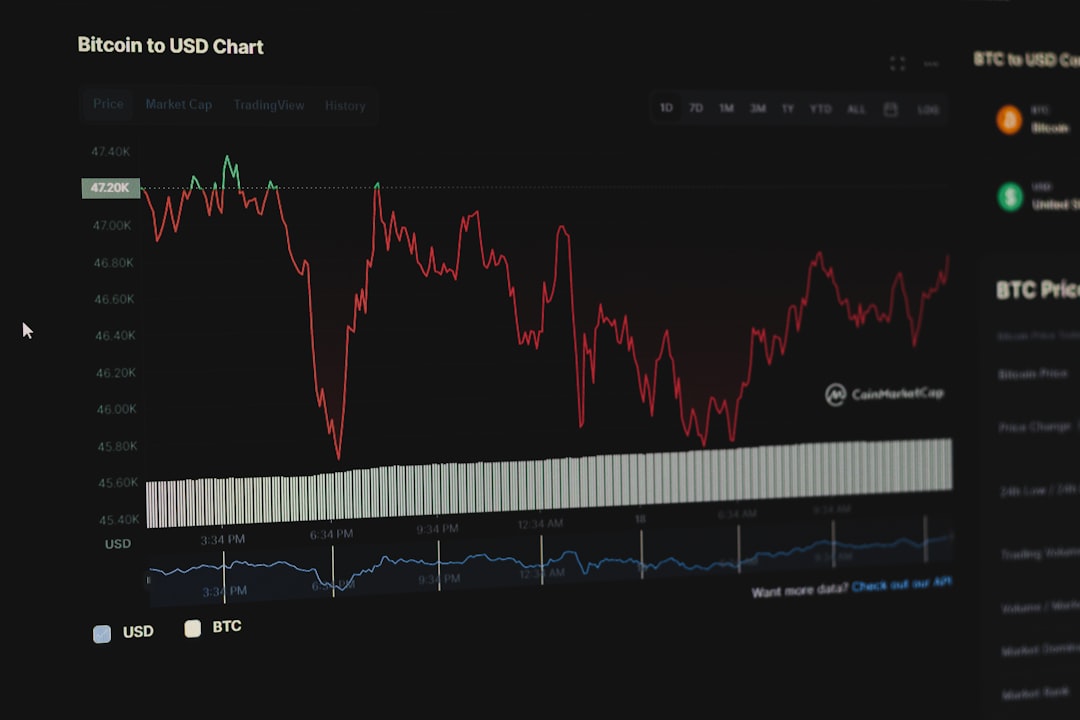
Escalating tensions in Iran, rising oil prices, and tightening credit markets may be setting the stage for Bitcoin’s next major rally, according to Jordi Visser.
Iran Conflict and Its Economic Repercussions
The continuing conflict between Iran and the United States has intensified, casting a shadow over global markets. With rising tensions around the Strait of Hormuz and recent attacks on energy infrastructure, the geopolitical conflict has triggered sharp oil price increases. According to the transcript of a discussion featuring veteran macro investor Jordi Visser, these developments have already led to evident consequences in the global economy. Gasoline prices in the U.S. have jumped from $2.80 to $3.92 per gallon in a few weeks, while diesel prices have climbed even higher.
Visser emphasizes that the impact extends beyond gasoline; vital commodities like plastics, polymers, semiconductors, and fertilizers are seeing increased costs. These surges are reaching supply chains globally, and he believes the current scenario differs from past crises. Notably, investors seem paralyzed, uncertain whether responding too quickly to market signals would repeat errors made during similar incidents of economic disruption in recent years.
Why Markets Are Frozen
One of the key insights from Visser is the lack of decisive market reactions to the ongoing crisis. While it’s customary for investors to rush toward "safe haven" assets during geopolitical instability, the current market response has been mixed. Oil prices are spiking, credit conditions are tightening, and inflationary risks are resurfacing, yet traditional safe assets like growth stocks are underperforming.
Visser explains that the financial system is torn between inflationary pressures, spurred by rising commodity prices, and deflationary forces driven by a broader economic slowdown. This unique setup, he argues, could signal the start of a radical shift in capital allocation. Historically, conditions like these have served as the precursor for significant changes in how and where money flows.
Bitcoin’s Role in Shifting Market Dynamics
In his discussion with Anthony Pompliano, Visser highlights Bitcoin as a uniquely positioned asset in this volatile environment. He argues that the combination of war risks, a fragile credit market, and Federal Reserve policies is creating a setup in which Bitcoin could outperform traditional assets. Since the Iran conflict began, Bitcoin has emerged as the best-performing asset, with a 5–6% increase observed during the period, in stark contrast to the 8–9% drop in gold prices.
This divergence is significant. Gold, traditionally seen as an inflation hedge, has failed to retain its gains, while Bitcoin appears to offer an alternative that investors are starting to favor. Visser attributes Bitcoin’s resilience to the growing emphasis on liquidity. Unlike gold or stocks, Bitcoin operates in a 24/7 global market, offering unparalleled liquidity and flexibility.
"Liquidity is going to become a real thing," Visser notes, pointing out that investors may prioritize assets capable of quick and frictionless transactions, especially during tightening credit conditions and rising market uncertainty.
Federal Reserve’s Fork in the Road
The Federal Reserve’s next moves could further cement Bitcoin’s position. Visser argues that the central bank now faces an unenviable choice between keeping rates high to combat inflation or cutting them to stave off a recession. Both paths come with significant risks, yet any decision that injects liquidity into the system could directly benefit Bitcoin.
Analyzing the backdrop, Visser draws comparisons to the 1970s—a period characterized by high commodity prices and stagnating economic growth. Similar dynamics today might see investors move away from traditional assets like stocks and bonds, instead seeking alternatives less tied to government policies or corporate earnings, such as Bitcoin.
The 2023 Bitcoin Setup: A New Dynamic
The conditions surrounding Bitcoin today are starkly different from those in 2022. Back then, Bitcoin was coming off a significant crash, saddled by regulatory uncertainty and institutional skepticism. Today, the landscape has changed, with institutional participation increasing through vehicles like ETFs. Meanwhile, interest in tokenization and 24/7 markets is growing.
What’s more, Bitcoin's recent performance isn't only about speculative interest. According to Visser, the markets are starting to price in this evolving narrative. He identifies three critical factors behind Bitcoin’s potential:
-
Commodity Bull Market: Rising oil prices and commodity scarcities are creating inflationary burdens, pushing investors to consider alternative assets.
-
Tightening Credit Markets: With liquidity scarce, the asset that operates independently from traditional financial systems becomes more appealing.
-
Federal Reserve Policy Expectations: A possible shift to a more dovish monetary stance could support Bitcoin’s narrative.
Future Scenarios and Risks
While Bitcoin appears well-positioned for gains, Visser acknowledges risks. If the Federal Reserve chooses to maintain a hard stance on inflation, market stresses may undermine Bitcoin’s momentum. Additionally, the continued volatility around the Iran conflict means short-term shocks could ripple unpredictably through the markets.
Visser also warns that investors may still be underestimating the seriousness of the current energy and inflation scenario. The unfolding Middle East issues aren’t merely about military impacts—they are reshaping supply chains, commodity availability, and pricing models. These changes could lead to prolonged inflation that, in turn, amplifies the appeal of Bitcoin as an anti-fragile asset.
Conclusion: Bitcoin in a Shifting Market Paradigm
The escalating Iran conflict, rising oil prices, and tightening credit conditions form a confluence of factors that Jordi Visser believes could drive Bitcoin’s next big move. With traditional markets offering limited opportunities and liquidity increasingly becoming a key priority for investors, Bitcoin’s unique properties position it as a strong contender for capital flows. In Visser’s view, this isn’t just speculation; it’s a macroeconomic setup that could usher in a new phase for the cryptocurrency.
Whether the Federal Reserve shifts its policy focus, credit conditions worsen, or energy prices remain high, Bitcoin seems to offer an increasingly compelling narrative in today’s uncertain economic landscape. For investors contemplating their next move, understanding these dynamics could prove critical in navigating the challenges ahead.
Staff Writer
Priya writes about blockchain technology, DeFi, and digital currency regulation.
Comments
Loading comments…


