How to Spot the Red Flags Before Losing Money in Crypto
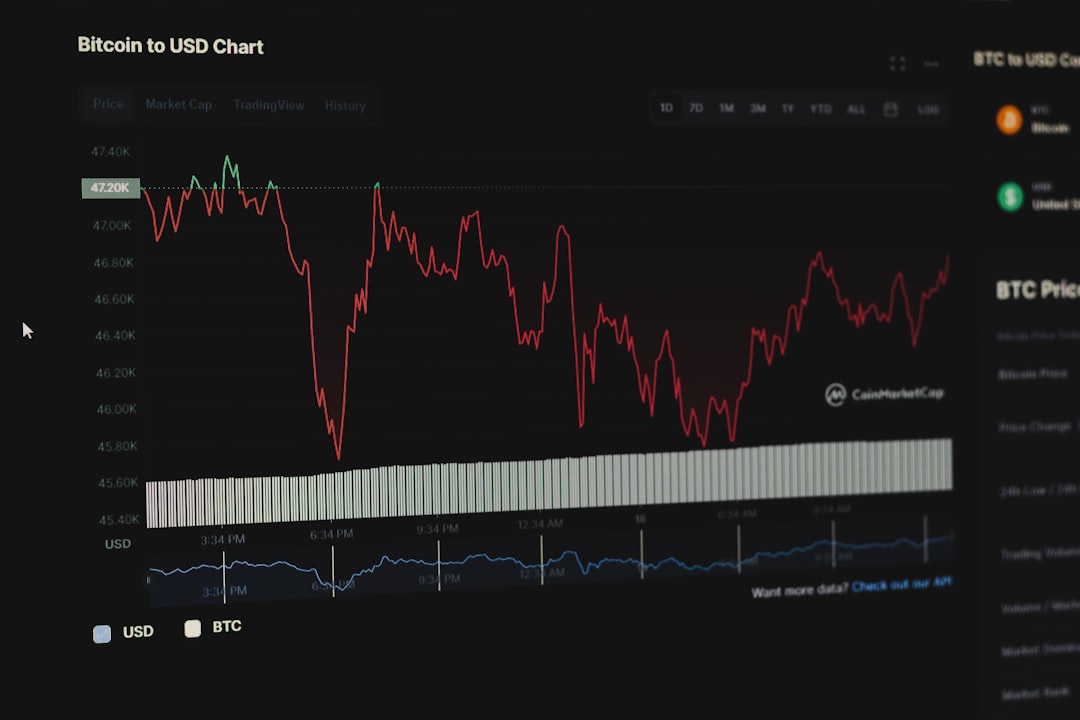
Crypto scams often hide in plain sight. Learn how to recognize red flags like parabolic price surges, narrative pivots, and coordinated influencer campaigns.
The cryptocurrency market, often hailed as a frontier of potential wealth creation, harbors risks that many retail investors fail to recognize until it’s too late. By the time the average investor realizes they've become “exit liquidity,” wealth has already transferred to insiders, leaving retail participants grappling with sharp price declines. Understanding the mechanics of these market moves is essential for anyone venturing into the crypto space.
The Perils of Parabolic Price Surges
One of the most deceptive signals in crypto trading is the vertical price action of a token. A sudden price surge, especially one exceeding 500% in mere weeks, often convinces retail investors that demand is surging and there’s still room for profits. However, as outlined in blockchain data and past case studies, these moves are often manufactured pumps designed to attract fresh capital.
Healthy price rallies tend to show consistent spot buying volume, a gradual staircase-like price increase, and robust order book depth on both sides of the trade. In contrast, a pump displays leveraged long positions as the dominant buying force and paper-thin buy orders below the market price. This creates a structurally fragile situation where any sell-off can trigger cascading liquidations and a swift price collapse.
The thin order books during these pumps are no accident. They are a deliberate underpinning of pump-and-dump schemes. Major holders (or insiders) unload their tokens onto unsuspecting investors who believe they are catching a lucrative breakout. Retail investors end up absorbing the sell pressure, buying tokens that insiders acquired at a fraction of the cost.
Narrative Pivots: Chasing the Hype
Another significant red flag for investors is a sudden narrative pivot by a crypto project. If a token or project shifts from being, say, a DeFi platform to branding itself as AI-based infrastructure seemingly overnight, it’s worth raising an eyebrow.
Take the documented case of Virtual’s Protocol. Originally launched as Path DAO, a gaming-focused project, it rebranded as an AI platform during the height of AI-related hype cycles following the rise of ChatGPT. While this rebrand brought short-term success—with its token surging 16,000%—the price eventually collapsed by 87%. Nothing substantial changed in its underlying technology; the rebrand was a calculated move to tap into retail investors chasing the latest trend.
The lesson is clear: tokens that change narratives to align with the timeliest hype, without corresponding technological milestones, are often engineered to attract naive investors rather than build long-term sustainable value.
Influencers and Coordinated Campaigns
Influencer marketing in crypto functions as an amplification tool for these manufactured narratives. A documented leak in 2025 revealed how over 200 influencers participated in a coordinated effort to shill tokens. Most posts were not disclosed as paid promotions, and payments to influencers ranged from modest sums to massive five-figure deals.
This playbook is no coincidence. Influencers often receive early access to tokens at heavily discounted prices, incentivizing them to publicly promote the asset aggressively while privately selling into the retail buying frenzy. As a result, what appears to be organic enthusiasm is often a well-calculated exit strategy funded by insider payouts.
Token Unlocks: A Predictable Warning Signal
Token unlock schedules offer yet another layer of insight into market dynamics. These schedules define when early investors or project teams can sell their allocated tokens. Historically, 90% of significant token unlock events result in downward price pressure.
The timeline of this price movement is also telling. Insider selling often begins a full month before the official unlock, as participants with knowledge of the schedule position themselves. Projects with large volumes of unlocks that exceed twice the average daily trading volume should be examined cautiously, as the market may lack sufficient liquidity to absorb the new supply without significant price drops.
March 2023 brought $12 billion worth of token unlocks to market, a supply shock that corresponded with notable price declines in affected tokens. The metric to watch here is the "unlock-to-volume ratio"—a high ratio signals that the incoming token supply could overwhelm current market demand.
Tools and Techniques to Stay Ahead
On-chain analysis platforms like Arkham Intelligence and Nansen are invaluable for identifying exit liquidity schemes. By tracking wallet behaviors, these platforms can reveal real-time insider movements. For example:
- Arkham's labeling system links wallets to real-world entities like funds or exchanges, highlighting insider token distributions.
- Nansen categorizes wallets into "smart money" (proven profitable traders) and institution-affiliated entities. If labeled smart money wallets are consistently selling, it’s a strong bearish signal.
Additionally, protocols with high total value locked (TVL) but negligible fee revenue are often operating on recursive deposits rather than genuine activity. Tools such as DeFi Llama can help investors strip inflated TVL figures down to their true scale, exposing projects that exaggerate their market participation.
A Six-Point Checklist for Crypto Investing
Before committing funds to a cryptocurrency, investors should analyze six critical factors:
- Parabolic price action: Look for declining spot buying volume and razor-thin order book depth during rapid rallies.
- Narrative shifts: Be wary of projects pivoting their branding to match the latest trends without clear developments in their technology.
- Influencer campaigns: Watch for coordinated promotional pushes by newly active influencers using repetitive language.
- Token unlocks: Check for upcoming unlock events, especially if they involve early backers or insiders with near-zero cost bases.
- Insider wallet activity: Monitor labeled insider wallets moving tokens to centralized exchanges.
- On-chain fundamentals: Examine fee revenue, daily active user counts, and the ratio of market cap to TVL.
If multiple red flags appear simultaneously, the odds increase that you are stepping into a dangerous exit liquidity scenario.
The Bottom Line
Crypto's inherent information asymmetry allows insiders to operate with clear advantages, but tools like on-chain analysis, unlock tracking, and a disciplined checklist can reduce the gap. Every pump, every narrative pivot, and every marketing blitz follows a remarkably predictable pattern. The question remains: are retail investors willing to adapt their approach and leverage the tools available to them?
The data is out there, sitting in plain sight. What matters is adopting the rigor needed to verify that data before committing your hard-earned money to what might be someone else’s exit strategy.
Staff Writer
Priya writes about blockchain technology, DeFi, and digital currency regulation.
Comments
Loading comments…


