Impact of DHS Shutdown: Trump Deploys ICE Agents to U.S. Airports
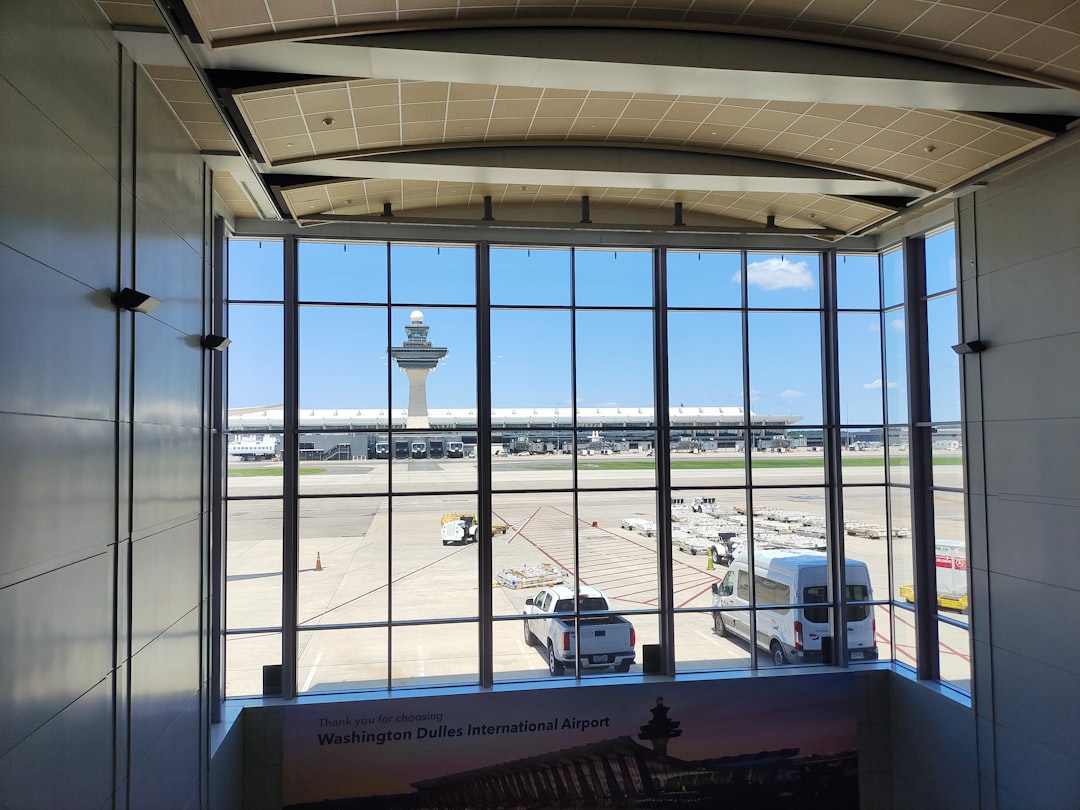
The DHS shutdown disrupts air travel as ICE agents replace TSA officers in some airports, raising safety and operational concerns.
The ongoing shutdown of the Department of Homeland Security (DHS) has entered its second month, creating significant disruptions across U.S. airports. With Transportation Security Administration (TSA) officers going weeks without pay, the Trump administration has turned to Immigration and Customs Enforcement (ICE) agents to temporarily fill security roles at select airports—a move raising both operational and political questions.
DHS Shutdown Strains Airport Security
The DHS shutdown, now in its 39th day, has left more than 50,000 TSA officers working without pay. The fallout has been widely felt, particularly at major U.S. airports. Passengers are reporting long security lines, with some airports advising travelers to arrive as many as four hours early—even for domestic flights. The situation is further complicated by the onset of spring break, a peak travel period that sees heavy movement through airports.
ICE Agents Take On TSA Roles
In an unprecedented development, ICE agents have begun assisting at TSA checkpoints in some airports. The stated goal of this deployment is to help manage the growing delays caused by understaffed TSA lines. Reports indicate that ICE agents have been seen at major hubs like Newark, Atlanta, and other key airports. However, the details of their exact responsibilities remain unclear.
According to the American Federation of Government Employees (AFGE), the TSA employee union, this decision has sparked controversy. The union argues that ICE agents lack the specialized training TSA officers undergo, particularly in duties like verifying IDs and performing other critical security functions. This lack of appropriate training has raised questions about whether the deployment is genuinely effective or merely a stopgap measure.
Senators Seek Legislative Solutions
The prolonged DHS shutdown has prompted lawmakers to propose potential solutions. Senate Majority Leader John Thune has pitched a plan to fund the rest of DHS, excluding ICE. The exclusion stems from ongoing demands by Democrats for reforms within ICE operations. Trump's nominee to head DHS, Markwayne Mullin, has indicated openness to adopting judicial warrants for targeted operations, but these proposals have yet to gain traction.
Immediate Challenges for Air Travel
Passenger Concerns
For travelers, the current situation has been frustrating and disruptive. Increased wait times at security checkpoints have forced many to alter their travel plans. The presence of ICE agents at airports, a role they are traditionally not trained for, has only added to passengers’ concerns about delays and operational efficiency.
Economic Impact
Airlines and the travel sector are also feeling the squeeze. Spring break is a critical time for the industry, driving significant revenue for airlines, hotels, and other tourism-related businesses. Extended delays threaten to undermine what is usually a profitable season.
ICE's New Role at Airports
So far, reports suggest ICE agents are stationed at areas like airport exits and, in some cases, baggage claim zones. However, ICE agents have not been widely seen performing traditional TSA functions at every airport. Specific details about their presence—what tasks they are performing and how effectively they are mitigating delays—remain murky.
Looking Forward: When Will the Shutdown End?
Despite the mounting pressure to resolve the situation, there’s no clear timeline for reopening DHS. The White House continues to face stalemates in negotiations with Congress over DHS funding, with ICE's future and its operations remaining a key sticking point. Lawmakers on both sides have only begun to engage more actively in recent weeks as airport woes escalate.
Practical Takeaways for Travelers
- Plan for Longer Wait Times: Travelers should anticipate prolonged security delays and plan to arrive several hours ahead of departure, especially during peak travel periods like spring break.
- Stay Updated on Security Changes: If traveling through hubs like Newark or Atlanta, check for updates regarding ICE agents and TSA staffing levels.
- Check Airport-Specific Guidance: Some airports are offering localized advice to help minimize delays. Monitor this information to adapt your travel schedule.
Conclusion
As the DHS shutdown drags on, the substitution of ICE agents in TSA roles highlights the urgency of finding a legislative resolution. While this temporary measure may alleviate certain immediate pressures, the lack of proper training raises concerns about the efficacy and safety of this tactic. The extended disruption during a critical travel season underlines the broader implications of the ongoing funding gridlock, both for ordinary travelers and the economy at large.
Comments
Loading comments…


