Iran Demands Cryptocurrency Tolls in the Strait of Hormuz: Strategic Genius or Risky Gambit?
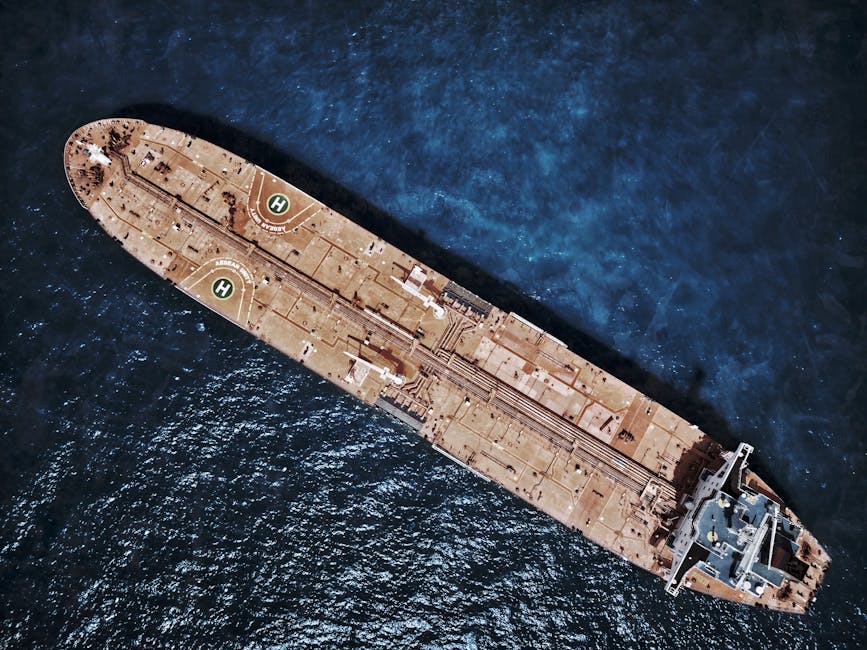
Iran has begun demanding cryptocurrency tolls from ships in the Strait of Hormuz, bypassing sanctions and creating global economic ripples.
Iran has recently taken a provocative step that is sending shockwaves across global trade, the energy markets, and geopolitical corridors. Commercial vessels passing through the Strait of Hormuz, one of the world’s most critical maritime chokepoints, are reportedly being asked to pay a digital toll—not in US dollars but exclusively in cryptocurrency. This maneuver appears to sidestep Western sanctions, adding a modern twist to geopolitical tensions in the region.
Why the Strait of Hormuz Matters
The Strait of Hormuz carries immense strategic value. As a critical marine passage, it facilitates the transport of nearly one-fifth of the world’s oil supplies. Any disruption in this chokepoint affects global energy prices and can ripple across economies. Control over this narrow stretch of water grants immense leverage to its overseers.
For years, Iran has used the Strait as a geopolitical bargaining chip amid escalating tensions surrounding its nuclear program and Western sanctions. The latest requirement for cryptocurrency payments could symbolize an evolution in Tehran’s strategy—a move that combines financial technology with traditional power projection.
Bypassing Sanctions, But at What Cost?
For decades, the US dollar has dominated global trade. Using it in financial transactions allows the US and its Western allies to enforce sanctions by freezing assets, tracking payments, and choking off access to global markets. Iran has long sought ways to circumvent these measures, but accepting cryptocurrency for tolls in a high-stakes region like the Strait of Hormuz is a novel escalation.
Cryptocurrencies like Bitcoin and Ethereum operate on decentralized blockchain networks and offer pseudonymity, making it difficult for nations like the US to monitor or control such transactions. By demanding tolls in cryptocurrency, Iran sidesteps the traditional banking systems, creating an opaque environment for tracking payments. This also aligns with broader efforts by sanctioned nations to de-dollarize their economies.
However, cryptocurrencies are inherently volatile and come with risks. Their value can fluctuate wildly, and major blockchains are not immune to network congestion, high transaction fees, or vulnerabilities to hacking. From Iran's perspective, this represents a gamble: greater financial autonomy balanced with exposure to the unpredictable nature of digital assets.
Implications for Shipping and Energy Markets
The immediate effect of this digital toll policy could be increased shipping costs. Shippers may have to manage the logistical complexity of acquiring cryptocurrencies while coping with the inherent risks of value fluctuations. These costs could be passed on to consumers in the form of higher prices for goods and energy.
More broadly, this development raises questions about the vulnerability of global trade systems to financial innovations. If successful, Iran’s strategy may encourage other nations under sanctions to adopt similar mechanisms, potentially weakening the global influence of the US dollar. However, resistance from the global shipping industry and governments may limit the long-term viability of cryptocurrency tolls.
Moreover, the Pentagon’s reported characterization of this policy as a “financial blockade” highlights concerns of this tactic escalating tensions. If the US or its allies perceive this as a direct threat to their economic security, it could provoke a military or economic response, risking further instability in the region.
The Role of Cryptocurrencies in Contemporary Geopolitics
Iran’s strategic use of cryptocurrency underscores its growing importance not only in financial systems but also in geopolitics. Blockchain technology enables transactions that are difficult to regulate or intercept, making it attractive to nations seeking to evade surveillance by adversarial powers. Additionally, the symbolic rejection of the US dollar through the adoption of digital currencies sends a clear message of defiance towards Western financial hegemony.
However, this comes with notable challenges. Cryptocurrencies are not universal, and their adoption among shipping companies and insurers may vary. Without a reliable means to confirm payments or hedge against the volatility of crypto assets, some may hesitate to comply with Iran’s new demands, leading to potential maritime standoffs or diplomatic negotiations.
What Comes Next?
The long-term outcomes of Iran’s new policy depend on several factors. First, how will the global shipping community respond? Payers who see cryptocurrency as cumbersome or too risky may pressure governments to negotiate with Iran or demand military escorts for their vessels. Alternatively, if Iran enforces its tolls strictly, it might test international willingness to challenge its authority in the Strait of Hormuz.
Second, the policy will reveal what role cryptocurrencies could play in reshaping international power dynamics. While Iran’s move may be groundbreaking, it also shines a spotlight on the vulnerabilities of blockchain systems within state-level conflicts. If vessels subjected to the toll experience blockchain-related issues, or if Iran cannot safely manage its own digital earnings, the policy may falter.
Finally, there remains the possibility of retaliation from Western powers. Sanctions against blockchain service providers or exchanges, diplomatic isolation, or even military interventions are all options on the table. The Strait of Hormuz, already a tinderbox of geopolitical tension, could see escalated confrontations as this policy unfolds.
Strategic Gamble or Genius Move?
Iran’s cryptocurrency toll is either an audacious leap into the future of warfare or a desperate bid to escape financial isolation. By exploiting emerging technology, Tehran challenges the traditional frameworks of economics and geopolitics in ways that are impossible to ignore. Yet the stakes could not be higher: for Iran, the global economy, and the nations jockeying for influence in the region, this policy sets the stage for what could become a monumental geopolitical experiment.
Staff Writer
James covers financial markets, cryptocurrency, and economic policy.
Comments
Loading comments…


