Iran War Spillover: U.S. Troop Casualties and Escalating Costs Signal Broader Crisis
Rising tensions across the Gulf result in 140 U.S. troop injuries and $11.3 billion in costs in one week, signaling wider regional unrest.
The growing conflict tied to Iran has expanded its reach across the Gulf region, resulting in significant consequences not only for the nations directly involved but also for U.S. interests in the area. By March 17, 2026, the situation has rapidly spiraled into a region-wide crisis with no clear signs of containment. Key developments, including rising injuries to U.S. personnel and mounting financial costs, underscore how the conflict now poses risks beyond any single front.
U.S. Troops and Financial Toll
According to a Pentagon report, about 140 U.S. troops were wounded as of March 10, 2026, due to involvement in the conflict. These injuries reflect the increasing exposure of U.S. personnel stationed at various Gulf bases and installations to hostilities. Alongside the human cost, the financial toll has surged. The Associated Press reported that, between February 28 and March 6, the U.S. incurred over $11.3 billion in expenses linked to the crisis. These soaring figures were driven by heightened military operations, logistical efforts, and material losses, all of which reflect the escalating scale of engagement.
Regional Spillover
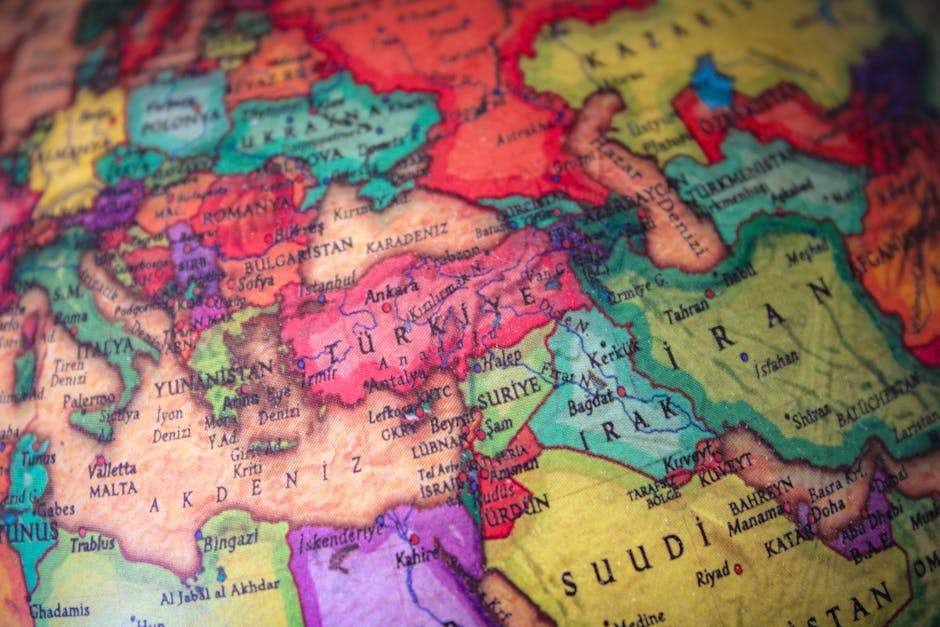
What began as localized tensions has now spread far beyond its initial flashpoints. By March 15, reports indicated that incidents related to the conflict had extended into Iraq, the UAE, Kuwait, and various Gulf infrastructure sites. The involvement of critical ports, bases, and U.S. embassies has further intensified the stakes. While specifics regarding individual incidents remain sparse, the widening geography hints at broader instability rippling across nations with critical energy resources and trade routes.
Strategic Risks for Gulf Infrastructure
As the theater of conflict broadens, the implications for Gulf-based infrastructure are profound. This region hosts essential components of the global energy supply chain, including oil refineries, ports, and sea lanes. Disruptions to these assets through direct attacks or collateral impacts could reverberate throughout the global economy. U.S. military bases and diplomatic sites, which have long been integrated into Gulf security dynamics, are not just strategic footholds but also symbolic targets.
A Region on Edge
The rapid spread of hostilities highlights the fragility of Gulf security. Historically, regional rivalries have simmered under tightly enforced geopolitical arrangements. The expansion of violence risks breaking down these structures. In such a scenario, tensions between Gulf nations with divergent strategic interests — and conflicts over securing critical energy-exporting regions — could escalate.
Global Consequences Loom
The broader implications are stark. A fully destabilized Gulf could lead to sharp energy price spikes, directly impacting world economies. Furthermore, the rising cost of U.S. involvement and the risk to American personnel could shift U.S. public and political sentiment, potentially affecting foreign policy objectives. Notwithstanding the immediate dangers, the conflict raises questions about the effectiveness of international diplomatic mechanisms in conflict prevention and resolution.
What Comes Next?
For the U.S. and its allies, decisive containment measures are crucial. Increased military aid to Gulf partners or expansion of existing security agreements could stabilize some areas but would come with their own risks. As the conflict develops, the stakes — human, financial, and strategic — will only grow. Without concerted multinational intervention, the spiral of violence could extend well beyond the Gulf, affecting global security and the broader geopolitical balance.
Staff Writer
Priya writes about blockchain technology, DeFi, and digital currency regulation.
Comments
Loading comments…


