Katie Stockton Analyzes S&P 500’s Vulnerability as 200-Day Moving Average Comes under Pressure
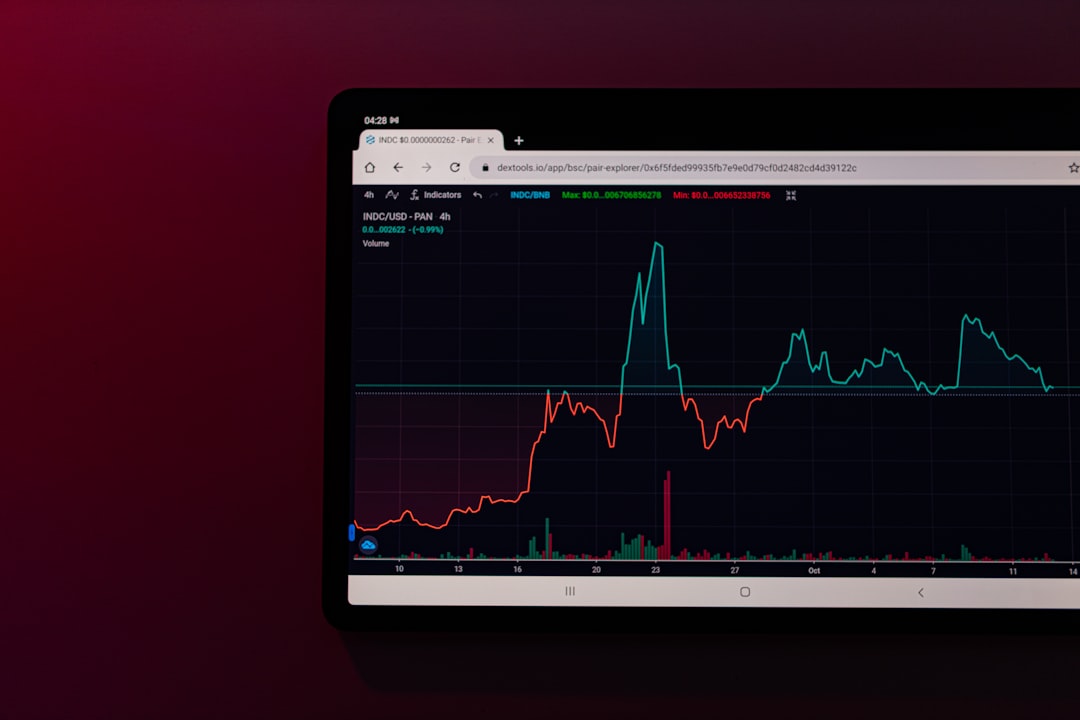
Katie Stockton highlights risks in the S&P 500 as the 200-day moving average faces pressure, signaling possible market downturns.
S&P 500’s 200-Day Moving Average Indicates Potential Trouble
The S&P 500’s 200-day moving average, a critical technical indicator, appears to be under pressure, according to Katie Stockton, founder of Fairlead Strategies and CNBC contributor. In a recent market analysis, Stockton explained that while the 200-day moving average is not a magical predictor, its breach could suggest more serious market weakness beyond a temporary correction phase.
Stockton says this level serves as potential support for the index, but she warns that the next fallback point could be 6-7% below its current level. Such a drop would represent a significant shift, with broad implications for traders, technical analysts, and institutions relying on algorithmic trading strategies that track this widely-watched indicator.
What the Break Could Mean for Markets
Why the 200-Day Moving Average Matters
The 200-day moving average is a rolling average that reflects the long-term trend of an index. It’s largely respected as a barometer for market health. Breaches of this level often signify substantial shifts in investor sentiment and market momentum.
For the S&P 500, a dip below this line would validate concerns about deeper downside risks. Stockton emphasizes, however, that tests of this average are rarely perfectly precise. If the index hovers near the 200-day line rather than breaking definitively lower, it might still count as a valid support hold.
Next Technical Support: 6-7% Lower
Should the S&P 500 break below its 200-day moving average, Stockton has identified another technical support level approximately 6-7% beneath the current index value. While not a guaranteed destination, this range would serve as the next focal point for traders assessing downside risks.
Sector-Specific Weakness
Growth Stocks Under Pressure
Beyond the S&P 500’s broader struggles, Stockton highlighted fragility in several key sectors and individual stocks. Former market leaders such as Amazon, Nvidia, Palantir, and J.P. Morgan have recently generated long-term momentum sell signals. This shift has placed previously dominant names into prolonged trading ranges or even the beginnings of bear cycles.
Such transitions create challenges for investors hoping for a swift resolution to the current market correction. Stockton noted that these corrections differ from those seen early in 2023 in their prolonged and grinding nature, as opposed to rapid counter-trend movements.
Semiconductor Sector Holds for Now
Interestingly, Stockton pointed out that while certain sectors have faced significant breakdowns, semiconductors present a mixed picture. Companies like Micron and Sandisk remain stable, preventing a complete breakdown in this critical tech-heavy sector. However, Stockton added that losing any remaining leadership from semiconductors could spark the next downward leg in broader markets.
Commodities and Bonds Show Divergent Momentum
Crude Oil Flips to Uptrend
Shifting her focus from equities to other asset classes, Stockton observed a notable change in crude oil’s momentum. After forming early signs of downside exhaustion in January, crude oil now shows upward momentum, reinforced by positive long-term technical indicators, such as the monthly MACD (Moving Average Convergence Divergence).
Other commodities, including corn and wheat, are also registering potential turnarounds. These movements highlight shifts within the broader macroeconomic environment that may drive commodity prices higher.
Treasuries’ Prospects in a Prolonged Bear Market
Stockton shared a cautiously optimistic view on U.S. Treasury bonds. If equities enter a prolonged range or bear cycle, she argued that correlations between stocks and Treasuries would decline. Credit spreads, another key metric, may provide additional clues: Stockton warned that further widening in credit spreads could trigger an equity-market-negative breakout.
The Bitcoin Perspective
Stabilizing, but Not Out of the Woods
Stockton provided a measured outlook on Bitcoin, describing its current state as short-term stabilization within a cyclical downtrend. With a possible low near $57,800, Stockton believes it’s too early to declare a definitive bottom. Bitcoin traders may need to monitor short-term developments as technical indicators evolve.
Key Practical Takeaways
- Watch the 200-Day Moving Average: For equity markets, breaches of this level could signal deeper corrections.
- Sector Weakness: Pay attention to former market leaders like Amazon and Nvidia, which are showing long-term momentum sell signals.
- Commodities Gaining Strength: Crude oil and agricultural commodities show upward trends, potentially buffering portfolios against equity weaknesses.
- Bond Market Shift: Treasuries may offer better diversification if correlations with equities weaken in a bear cycle.
- Bitcoin Remains Uncertain: The cryptocurrency market continues its downtrend amid stabilization, offering no immediate buy signals.
Conclusion
Katie Stockton’s analysis underscores the precarious nature of the current market environment. The S&P 500’s 200-day moving average serves as a crucial line in the sand—its breach could pave the way for further declines. Meanwhile, sector-specific weaknesses and commodity strength reflect a highly segmented market fraught with uncertainty. For investors, staying attuned to technical indicators and sector trends will be essential for navigating the weeks ahead.
Comments
Loading comments…


