March 22 Crypto Update: Bitcoin ETF Trends, Asian Regulation, and Rising Scam Risks
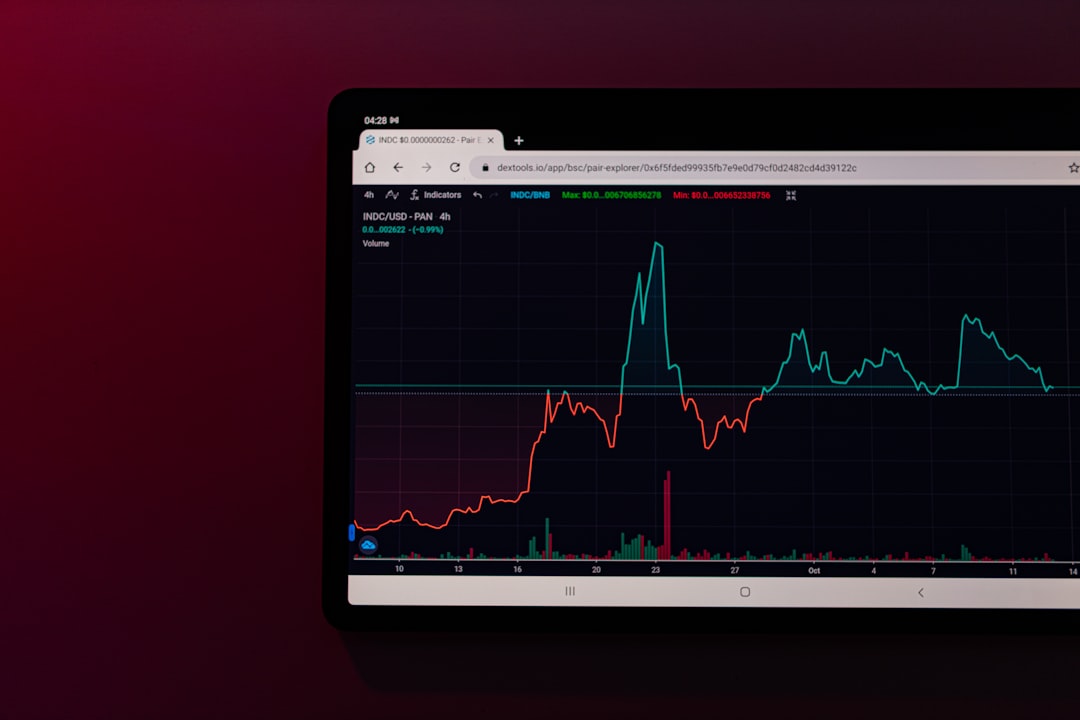
Key crypto developments: Bitcoin ETF inflows slow, Asia tightens crypto rules, and scammers exploit Southeast Asia with advanced tactics.
The cryptocurrency landscape remains dynamic, and the latest developments highlight intriguing shifts for investors worldwide. As of March 22, 2026, critical updates center around Bitcoin ETF momentum, evolving frameworks for crypto regulation in Asia, and emerging scam activities targeting Southeast Asian users. Here's a comprehensive breakdown of these trends.
Bitcoin ETF Momentum Slows but Exchange Supply Tightens
Recent data shows a marked cooldown in Bitcoin ETF inflows compared to the surge witnessed in February 2026. In February, U.S. spot Bitcoin ETFs attracted net inflows of approximately $3.3 billion. However, this pace has dropped significantly in March, with only $890 million in inflows as of mid-month, representing a 73% decline. Some days have even recorded substantial outflows, according to the latest ETF trackers.
Despite this pullback in ETF flows, the supply of Bitcoin on centralized exchanges continues to shrink. On-chain data indicates that more BTC is moving into long-term wallets, ETFs, and custodial solutions, reducing the pool of coins readily available for trading. This dynamic suggests a higher long-term price floor as supply tightens, but it also means that short-term market dips can be sharper when ETF flows turn negative.
For investors in Southeast Asia, including markets like the Philippines and Vietnam, this data emphasizes the importance of separating short-term price fluctuations from long-term investment strategies. February’s ETF boom was unprecedented, but assuming it will persist unchecked could lead to unrealistic expectations. Staying aware of market trends while focusing on long-term holdings could minimize reactionary trading during periods of volatility.
Asia Strengthens Crypto Regulation with Unified Frameworks
Asian regulators are stepping up their efforts to implement unified regulatory frameworks for stablecoins and crypto-related investment products. In 2026, several key economies in the region are transitioning from experimental pilot projects to full-fledged regulatory strategies.
-
South Korea: The country is welcoming corporate and professional investment firms back into the crypto market through a licensed regime. South Korea is also developing dedicated stablecoin regulations and exploring the launch of spot crypto ETFs as part of its broader economic goals.
-
Hong Kong: By expanding its regulatory perimeter, Hong Kong now includes more digital asset platforms and custodians under its licensing regime. The city is also granting stablecoin licenses and issuing tokenized bonds to enhance market liquidity and tax compliance.
-
China: While tightening control over its central bank digital currency (e-CNY), China is also restricting unauthorized tokenization of real-world assets.
For Southeast Asian countries such as the Philippines and Singapore, this regulatory convergence provides an opportunity. Licensed platforms and compliant stablecoins are likely to gain easier access to institutional investors and banking infrastructure, driving long-term market growth. However, projects that fail to prioritize compliance—whether in terms of licensing, reserve transparency, or disclosure—face significant shutdown risks as oversight intensifies.
Investors looking to align with these new frameworks should prioritize jurisdictions that see regulation as a strategic enabler rather than a burden. Compliant projects are better positioned for sustainable growth as regulation continues to evolve.
Rising Crypto Scams Exploiting Southeast Asia
2026 has also seen a worrying rise in crypto-related scams targeting Southeast Asian users, posing risks that demand immediate attention. Reports from Chainalysis and law enforcement reveal that organized crime groups operating in areas like the Myanmar–Thailand border are leveraging sophisticated schemes involving:
- Fake platforms: Scammers lure victims to fraudulent investment websites designed to steal deposits.
- AI-generated deepfakes: Impersonation tactics and phishing have reached new levels of sophistication, deceiving users into transferring funds.
- Cross-border laundering hubs: Funds stolen in scams are quickly routed through “guarantee” services and multiple wallets, making recovery nearly impossible.
One common tactic involves instructing victims—often overseas workers or older users—to convert cash into BTC or stablecoins at physical kiosks or Bitcoin ATMs. Once these transactions are completed, the funds are rapidly cycled through anonymous wallets and other laundering channels, making them unretrievable.
For users in countries like the Philippines, Indonesia, and Vietnam, the primary takeaway is vigilance. Scams today target trust and off-platform channels rather than exploiting technical vulnerabilities within blockchains or smart contracts. Common red flags include requests to use Bitcoin ATMs, demands for payment to unfamiliar “guarantee addresses,” and prompts to transact outside licensed exchanges.
A simple rule for avoiding these scams is to treat any unsolicited request involving crypto—particularly outside regulated environments—as a potential fraud. Staying within licensed platforms and using trusted remittance services can significantly reduce risk.
Practical Advice for Southeast Asian Crypto Users
- Monitor On-Chain Trends: Keeping an eye on ETF flows and Bitcoin exchange balances can provide clues about long-term price movement.
- Prioritize Regulatory Compliance: Align investments and activity with licensed platforms that adhere to new stablecoin and crypto rules in Asia.
- Stay Scam-Aware: Never trust unsolicited requests to use crypto ATMs or send funds to unknown addresses. Stay within regulated channels for all transactions.
Final Thoughts
The March 22 crypto update highlights critical trends for investors, particularly in Southeast Asia. Bitcoin ETF momentum may have slowed, but tightening exchange supply continues to influence long-term market dynamics. Asia’s regulatory push for unified and transparent frameworks represents an opportunity for compliant projects to thrive. However, the rise in crypto scams targeting the region underscores the importance of vigilance and education.
By staying informed and adapting strategies to these developments, investors can navigate both the opportunities and risks of the evolving cryptocurrency landscape effectively.
Staff Writer
Priya writes about blockchain technology, DeFi, and digital currency regulation.
Comments
Loading comments…


