Market volatility spikes as geopolitical tensions and economic fears collide
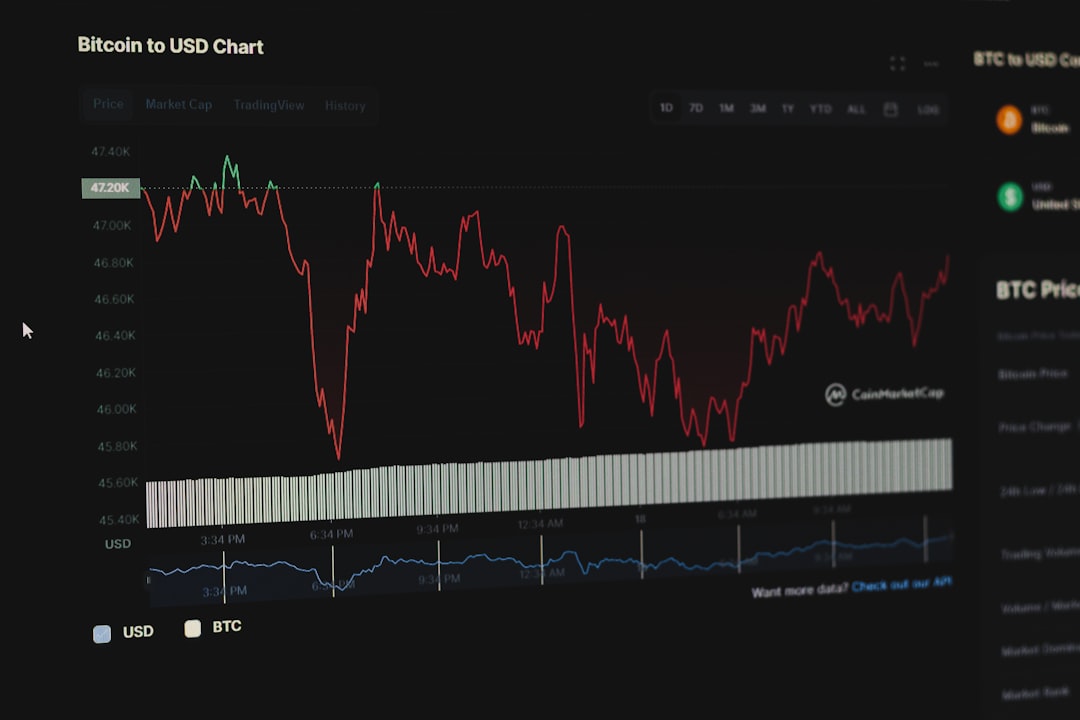
Global markets faced sharp drops as geopolitical tensions escalated, impacting gold, oil, and Bitcoin. Here's how the turmoil unfolds.
Global markets were thrown into turmoil as geopolitical tensions escalated, triggering volatile responses in major asset classes like gold, oil, and Bitcoin. This turbulence, initially described as a potential "Black Monday," reflected widespread economic uncertainty amid the ongoing US-Iran conflict.
A chaotic start: Black Monday narrowly avoided
At the start of the trading day, markets signaled alarm. S&P futures dropped by 2.6%, while the South Korean KOSPI plummeted 7%. Treasury yields spiked, reflecting investor concern over stability. The gold market, often a safety net during instability, saw a historic 10% price drop—a rare occurrence in its trading history. Gold briefly traded at $4,100, a significant fall from $5,300 levels earlier in February.
Amid these chaotic indicators, oil prices surged. US crude hovered around $90 per barrel, while Brent crude approached $99. Geopolitical uncertainty centered on potential escalations involving Iran contributed to fears of supply disruptions.
The turning point: conflicting narratives
The landscape shifted when former President Donald Trump tweeted that "productive conversations" had occurred to de-escalate tensions. Market reactions were swift, with the S&P recovering from a -2.8% drop to a 1% gain. Meanwhile, Iran's foreign minister denied any such talks, accusing Washington of misdirection. The conflicting messages left markets in a precarious balance between hope and skepticism.
Gold’s unprecedented decline
Gold's sharp decline puzzled many, coming at a time when heightened uncertainty typically drives demand for the precious metal. Historically, gold’s price decline of over 10% in a single day has happened just three times: 1980 (-13.2%), 1983 (-12.1%), and 2026 (-11.4%). The reasons behind gold's recent performance stem from immediate liquidity demands rather than its long-term appeal as a store of value.
Countries in the Gulf region, dealing with the fallout from the conflict, are reportedly selling off gold to fund urgent infrastructure repairs and cover immediate cash needs. As gold doesn’t generate yields, holding it during rising interest rate environments becomes increasingly costly. Elevated Treasury bond yields have made gold less attractive, as investors see higher returns elsewhere.
Analyst Peter Brandt observed a rare market pattern, the "nine red bird" pattern, which historically signals a prolonged recovery period. Such patterns further underscore the turbulent market environment.
Bitcoin: resilience amid crisis
While gold faltered, Bitcoin exhibited relative resilience. From February 28 to the present, Bitcoin's value rose by 5%. In contrast, gold fell by 20%, silver dropped by 30%, and the S&P declined 5%. Bitcoin's performance highlights its evolving role as a digital store of value during crises.
Bitcoin’s transportability emerged as a key advantage. Unlike gold, which central banks and sovereign entities currently need to liquidate, Bitcoin remains concentrated among individual retail investors and funds. As a result, it avoids the heavy sell-offs seen in gold during emergencies.
Comparing gold and Bitcoin
| Asset | YTD Performance | Yield-Generating | Affected by Sovereign Selling |
|---|---|---|---|
| Gold | -20% | No | Yes |
| Bitcoin | +5% | No | No |
| Treasury Bonds | Varies | Yes | No |
Bitcoin’s decentralized nature and lack of widespread sovereign holdings shield it from mass sell-offs. Additionally, its functionality as a cross-border asset provides users with flexibility during geopolitical upheavals, such as evacuations or regional instability.
Oil’s role in the chaos
Oil markets, on the other hand, saw spikes as the US-Iran conflict raised fears of supply line disruptions, particularly through the Strait of Hormuz, a critical chokepoint for global oil shipments. Analysts note that oil prices briefly surged above $112 per barrel due to escalating tensions before receding slightly.
The United States' hardline stance, including threats to target Iranian power plants unless the Strait of Hormuz was reopened, further amplified concerns within the energy sector. As oil prices remain sensitive to geopolitical developments, continued uncertainty in the region leaves markets on edge.
Perspective from historical events
A notable anecdote underscores Bitcoin’s place in instances of financial insecurity. The story of a Jewish family forced to leave Iraq in the 1950s illustrates the liabilities of transporting wealth in physical forms like gold. Generations of wealth were left behind at checkpoints, fundamentally altering a family’s fortunes. In today’s digital era, Bitcoin circumvents such limitations, allowing individuals to move wealth without physical barriers.
Implications for the future
Markets are now at a critical juncture, as short-term liquidity concerns, currency fluctuations, and geopolitical risks take center stage. The sharp divergence between gold and Bitcoin illustrates an ongoing shift in investor preferences. Gold's liquidity and stability remain indispensable during emergencies, but digital assets like Bitcoin are proving valuable as transportable, global stores of value.
For investors, monitoring the US-Iran situation and its impact on commodities, equities, and cryptocurrencies will be vital. As the Federal Reserve signals its next steps, heightened compliance with international developments will shape long-term market trajectories.
FAQs
Why did gold drop 10% despite heightened geopolitical tensions? Gold is often seen as a store of value for uncertain futures. However, during immediate crises, countries and institutions may sell gold to secure cash for urgent needs like infrastructure rebuilding or funding daily activities.
Why is Bitcoin performing better than gold in this scenario? Bitcoin benefits from its decentralized nature and lack of mass sovereign holdings. Unlike gold, it hasn’t faced significant sell-offs tied to central banks or nations needing quick liquidity.
What is the "nine red bird" pattern in trading? The "nine red bird" pattern refers to extended sequences of sharp market declines, often signaling long recovery periods. It's rarely observed in trading.
How has oil been affected by the US-Iran conflict? Oil prices have fluctuated, briefly crossing $112 per barrel due to fears of supply disruptions, particularly through the Strait of Hormuz. However, markets stabilized partially following de-escalation talks.
What role do Treasury yields play in asset performance? Higher yields make assets like gold less attractive because gold doesn’t generate interest. Rising yields lead to higher opportunity costs for holding non-yield-generating assets.
Staff Writer
Priya writes about blockchain technology, DeFi, and digital currency regulation.
Comments
Loading comments…


