NASDAQ tumbles, big losses reported: market analysis and responses
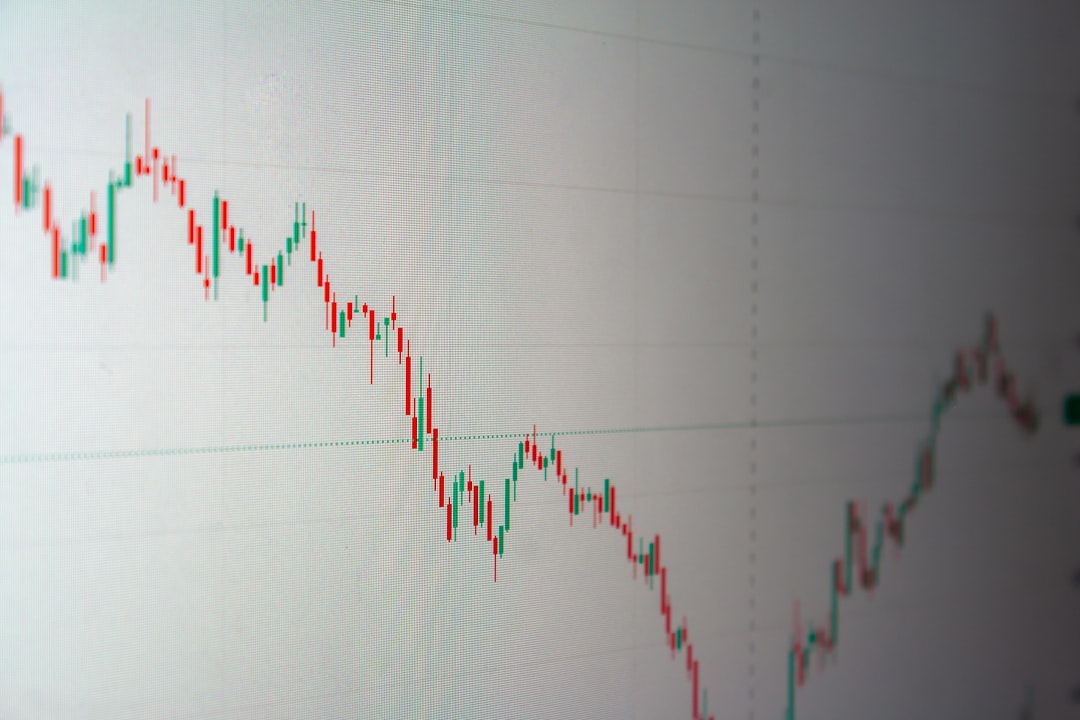
The NASDAQ has dropped over 10% from its all-time highs, with individual positions like Meta, AMD, and others seeing sharp declines.
The NASDAQ has officially entered correction territory, falling more than 10% from its all-time highs reached in late 2025. According to recent analysis, the index is now down by almost 11%, leaving many investors reeling from significant losses. This sharp downturn has brought renewed questions about the overall health of the market and investor strategies during turbulent times.
Major Losses in Key Stocks
For individual investors, the descent of the NASDAQ has been brutal. Several widely held stocks, including Meta, AMD, and others, have seen pronounced declines. Meta, for example, dropped nearly 8% in a single day, wiping out $47,000 from one investor’s portfolio. AMD, another heavy-hitter, plummeted by $42,000 for the same portfolio holder.
Other stocks haven’t fared much better. Fubo, routinely battered in this market, saw another dramatic decline, while Palantir’s almost 5% drop reportedly brought "tears" to some investors' eyes. Estee Lauder fell 4.5%, and SoFi was down a similar 4%. Even prior market darlings like Google saw losses, retreating 3% as market momentum turned sharply negative.
The VIX Signals Worsening Sentiment
Market volatility, as measured by the VIX (CBOE Volatility Index), has surged significantly. Year-to-date, the VIX is up a jaw-dropping 85%, signaling mounting fear and uncertainty among investors. Remarkably, this spike in volatility even surpasses other high-profile upward moves, including oil prices, which have climbed 63% so far in 2026. For context, these sharp rises serve as a stark contrast to the sluggish returns seen from most equity markets this year.
The VIX’s recent performance has become a talking point for traders, some joking that the index has become "great again." However, for the average investor, such high volatility serves as an indicator of the challenging road ahead.
Tactical Moves: Selling and Buying in a Bear Market
Against this backdrop, some investors have decided to reassess their positions. One noteworthy response came from an individual who decided to fully exit a particular position in the market, though the specific asset was not disclosed. This sell-off reflects a common reaction: locking in what remains of equity before further declines take hold. However, this wasn’t the only move made—there was also continued buying activity, as some investors repositioned themselves to take advantage of what they consider undervalued opportunities.
For example, the investor mentioned a slew of purchases completed at attractive prices, highlighting a belief in a potential rebound. When markets fall sharply, opportunities often arise for those who can tolerate the risk and have a long-term horizon. Stocks that plummet during bearish periods can deliver exponential gains when markets recover. However, this approach is not without its risks as it requires both capital and patience.
Hedge Performance and Standouts
Interestingly, a few assets bucked the downward trend. One standout mentioned in the analysis was TSLZ, a leveraged 2x inverse ETF against Tesla stock. This instrument is up about 40% for the year, providing one of the few bright spots in an otherwise dismal environment. Leveraged inverse products like TSLZ allow investors to profit when certain underlying stocks or indices decline; yet they require caution due to their amplified risks.
Market Sentiment: Is It "Cooked"?
There's a growing concern that the market may be further "cooked," to use the words of some newer investors. Recent patterns show a clear resistance at recovery levels. Each time the market bounces back, it quickly reverses and faces another sell-off, causing lower highs and lower lows—a troubling sign for many traders and investors alike.
Still, others argue that these bearish conditions can eventually yield significant opportunities for the forward-looking. The period immediately after a bearish market often births some of the most lucrative investments, provided you can identify companies poised for recovery and maintain strong conviction.
A Window for Tool Adoption
In the midst of this volatility, some investors have chosen to redouble their efforts to refine their strategies. Product offerings—for instance, a software suite like ThousandX, which provides forecasting tools—may appear more attractive now to those looking to make sense of a choppy market. The backer of ThousandX, for example, is promoting a special discount as part of an effort to attract customers who want to plan their moves during bearish periods.
The logic presented here is that bearish markets offer the greatest opportunities to map out a robust strategy as valuations compress. While the market’s ultimate trajectory remains uncertain, this promotional angle aligns with the commonly held view that preparation can make or break portfolios during volatile years.
Looking Ahead
The current NASDAQ decline underscores the need for meticulous navigation in today’s complicated financial environment. Steep losses among giants like Meta and AMD suggest even the most robust companies are not immune to broader sell-offs. With the VIX surging, fears of further market instability remain warranted.
Whether this market is indeed "cooked" or simply entering a recalibration phase is up for debate. For now, traders and long-term investors are left balancing their strategies between minimizing loss, hedging against risk, and preparing for future growth opportunities. As always, patience, discipline, and a clear strategy may determine the winners and losers in the months ahead.
Staff Writer
Priya writes about blockchain technology, DeFi, and digital currency regulation.
Comments
Loading comments…


