Oil prices tumble as Saudi cuts persist and strategic reserves come into focus
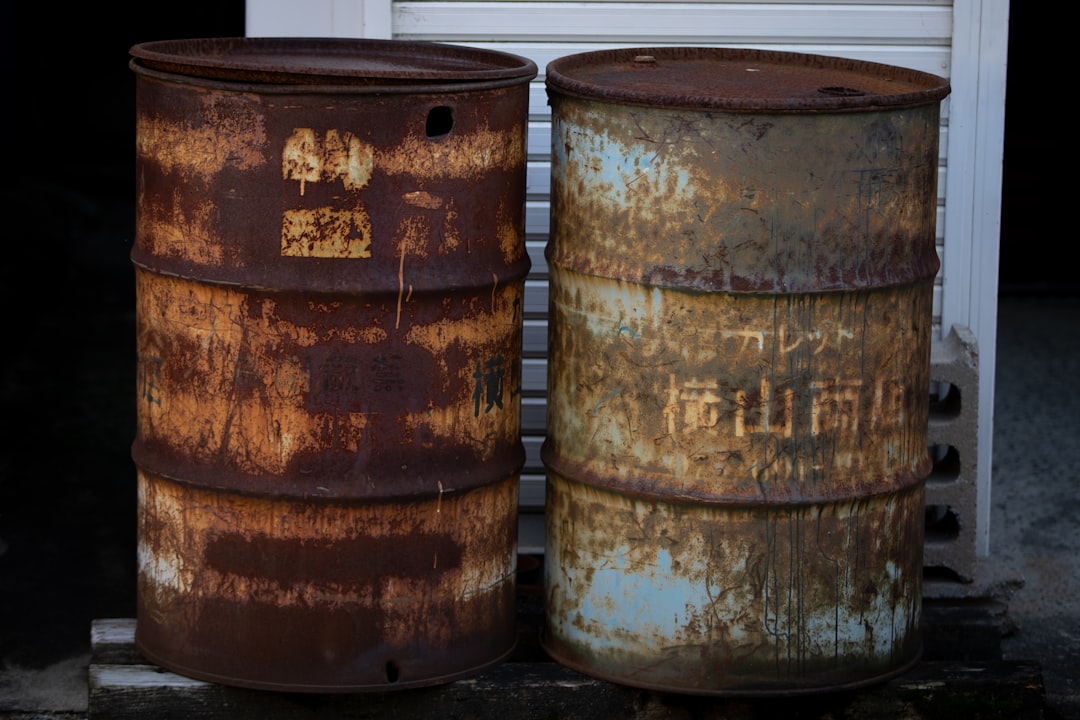
A sharp decline in oil prices led by geopolitical tensions, Saudi supply cuts, and Iran's energy agreements highlight a volatile energy market.
The global energy market is grappling with several major developments in March 2026. From U.S.-Iran dialogues to Saudi Arabia's supply adjustments and strategic oil reserves in India, the state of oil and energy is shaping markets worldwide.
Oil prices plummet after U.S.-Iran developments
Brent crude oil saw a dramatic plunge of 15–20% in prices, a reaction to U.S. President Donald Trump’s announcement that he would hold off military strikes against Iran. The announcement, made via Truth Social, brought optimism to a potential de-escalation of tensions in the Strait of Hormuz, a crucial passage for global oil supplies.
Following the announcement, Iran denied any communication with the U.S., signaling that the geopolitical situation remains uncertain. President Trump expressed hope for a diplomatic solution, emphasizing the U.S. goal of preventing Iran from developing nuclear weapons. Iran reportedly agreed to measures such as halting uranium enrichment and opening the Strait of Hormuz under certain conditions. However, the absence of a finalized deal leaves the situation unstable.
The temporary cooling of tensions offers short-term relief for oil-importing nations like India but doesn't eliminate the underlying geopolitical risks. Investors and policymakers are advised to remain cautious as the situation evolves.
Saudi supply cuts intensify amid disruptions
Saudi Arabia, the world's largest oil exporter, has continued reducing shipments to Asia for the second consecutive month. Current export levels in March have averaged 4.35 million barrels per day (bpd), down sharply from February's 7.1 million bpd. This supply adjustment comes amidst logistical hurdles caused by disruptions in the Strait of Hormuz.
To mitigate risk, Saudi Aramco has rerouted shipments through the Yanbu port on the Red Sea, supported by a pipeline connecting the eastern and western parts of the country. However, the capacity of this alternate route is significantly limited compared to overall demand. Additionally, a recent drone incident at the Yanbu refinery exposed vulnerabilities even in alternate supply chains.
While such measures help maintain continuity, supply chain disruptions and security issues continue to cast a shadow over oil market stability. China's top refiner, Sinopec, has stepped in, agreeing to lift 24 million barrels of Saudi oil from Yanbu in March. However, uncertainties persist, even as countries scramble to adapt to fluctuating oil flows.
India’s strategic oil reserves provide some cushion
India, the third-largest consumer of energy globally, faces its own challenges as it heavily depends on imports for over 88% of its crude oil needs. To combat supply disruptions, India relies on its strategic oil reserves, which are currently two-thirds full. Managed by Indian Strategic Petroleum Reserve Limited, these facilities can store 5.33 million metric tons across locations in Visakhapatnam, Mangaluru, and Padur. Strategically, these reserves provide cover for approximately 9.5 days of consumption in times of crisis.
This buffer is crucial, especially as global supply shocks remain unpredictable. The Indian government has reassured the Parliament that adequate arrangements have been made for fertilizer supplies and that efforts to prioritize domestic LPG use are ongoing to counteract potential shortages. However, prolonged supply disruptions could still impact inflation and energy prices, highlighting the limitations of India’s current energy safety net.
Key impact areas for India
Prime Minister Narendra Modi addressed challenges arising from the ongoing U.S.-Iran-Israel tensions, likening their economic ripple effects to those seen during the COVID-19 pandemic. The government has formed an inter-ministerial group that meets daily to evaluate critical supply issues, ensuring the stability of imports and exports. Notably, India's food reserves remain robust, supported by effective coordination among domestic producers.
Efforts are also underway to maintain the flow of petroleum products, with the government aiming to stabilize domestic LPG supplies despite the country’s reliance on imports for nearly 60% of its demand. While strategic reserves provide a short-term cushion, the extended instability in the energy market could pressure both domestic inflation and the rupee in the long term.
Saudi Aramco’s supply cuts vs India’s energy security
| Factor | Saudi Aramco Supply Cuts | India’s Strategic Reserves |
|---|---|---|
| Current Supply | Reduced to 4.35 million bpd | Covers 9.5 days of domestic energy supply |
| Mitigation Measures | Rerouting via Yanbu on Red Sea | Domestic prioritization for critical sectors |
| Vulnerabilities | Limited capacity, exposed to drone risks | Limited buffer for prolonged disruption |
| Global Impact | Higher energy costs for Asia | Risk to India’s inflation and currency stability |
Developments in Indian industries
GR Infra projects secured
Infrastructure company GR Infra Projects has secured a ₹2,440 crore highway project in Bihar. This significant contract involves constructing a four-lane greenfield section of National Highway 33 from Mokama to Munger under the Hybrid Annuity Model (HAM). Such projects strengthen revenue visibility for the company and highlight momentum in its execution pipeline.
Affordable weight-loss drugs flood Indian market
As the patent for Novo Nordisk’s obesity drug Semaglutide expired on March 20, Indian pharmaceutical companies have launched generic versions at drastically reduced prices. Analysts expect over 40 drug manufacturers to enter the market, targeting India’s growing demand for weight-loss solutions. While this creates opportunities in the global $10 billion obesity treatment market, heavy competition is anticipated, pressuring margins.
Adani Green expands renewable capacity
Adani Green Energy commissioned a new 50 MW renewable power project in Gujarat, raising its operational renewable generation capacity to 17,982 megawatts. The project marks a step forward in the company’s growth strategy and highlights its focus on capacity-led expansion. Future investor attention will likely center on execution pace, operational performance, and balance sheet discipline.
Practical takeaways
- Short-term oil price drops: India and other oil-importing economies might benefit temporarily from Brent crude’s recent sharp correction. However, geopolitical risks and supply uncertainties mandate caution for policymakers and investors.
- Supply chain vulnerabilities: Saudi Arabia’s redirection strategy shows resilience but also highlights the fragility of oil supply chains outside the Gulf.
- Strategic oil reserves: While India’s reserves offer some protection, they underline the urgent need for expanded capacities to counter prolonged disruptions.
- Industrial opportunities: From expanding infrastructure projects to cheap generic drug launches, India’s industries showcase growth potential but face execution and competitive pressure challenges.
Overall, while the oil market dynamics from Saudi Arabia, Iran, and the U.S. dominate, the focus on India's long-term energy security remains critical.
Staff Writer
Priya writes about blockchain technology, DeFi, and digital currency regulation.
Comments
Loading comments…


