Rare disease families pave the way for breakthroughs in personalized medicine
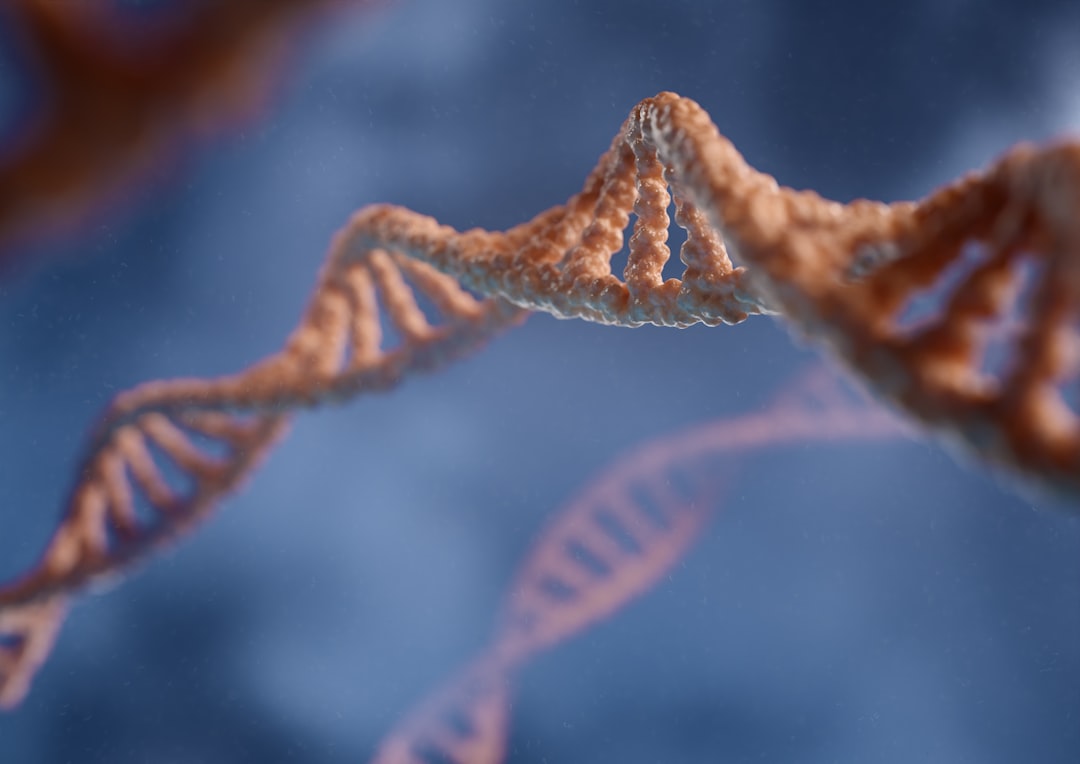
Families affected by rare diseases are driving innovation in genetic testing, personalized therapies, and groundbreaking legislation to save lives.
Rare diseases affect approximately 400 million people globally, but for each individual case, the burden can feel isolating and insurmountable. Across the United States, families of children affected by rare genetic disorders are taking extraordinary steps to change that narrative. Whether through advocacy for legislation, funding for research initiatives, or direct action to accelerate medical breakthroughs, these families are not only rewriting the rules of medicine but also giving hope to others in similar circumstances.
Advocacy-driven landmark legislation
One recent example of the intersection between patient advocacy and public policy is Florida's Sunshine Genetics Act (HB-907). Signed into law with bipartisan support, the legislation provides free whole-genome sequencing to identify rare genetic disorders in newborns and young children. This approach shifts the focus from reactive treatment to preventive care. The law also incorporates data privacy safeguards by making genetic information anonymous to prevent misuse.
According to Adam Anderson, a Florida legislator who championed the bill, early intervention can significantly alter outcomes for affected children. Anderson speaks from personal experience; his own son was diagnosed with Tay-Sachs disease, a fatal inherited disorder. "What if you could stop it from happening in the first place?" Anderson asks, underscoring the goal of proactive diagnosis.
Studies highlight the potential of such initiatives. A New York-Presbyterian study reveals that more than 100,000 U.S. babies are born each year with potentially treatable genetic conditions. Timely diagnosis can make all the difference, enabling treatments like dietary adjustments or participation in clinical trials.
From genetic diagnosis to custom therapies
For parents like Matthew and Becky Quail, understanding their child’s medical condition became the first step in navigating a long road to treatment. Their daughter Kaylie was diagnosed with SYNGAP1-related intellectual disability after prolonged testing and consultations. SYNGAP1 is a rare genetic disorder characterized by developmental delays, autism, and seizures.
"You have hope all the time," Becky reflected. "If I just take her to enough therapy, she'll be okay." But diagnosis brought clarity, and while there’s still no cure for SYNGAP1, advances in science offer new paths to possibly mitigate symptoms and improve the quality of life for children like Kaylie.
Cutting-edge gene editing technologies are allowing physicians and researchers to offer individualized treatment options. Take KJ Muldoon’s case. Diagnosed with CPS1 deficiency, a metabolic disorder, KJ received a custom-built gene therapy developed in under six months by Dr. Rebecca Ahrens-Nicklas and Dr. Kiran Musunuru, an unprecedented timeline for personalized drug development. KJ’s ongoing progress illustrates how tailored therapies could revolutionize treatment approaches for rare diseases that affect small patient populations.
Personalized care at groundbreaking speeds
Rapid advancements in gene editing and antisense oligonucleotide (ASO) therapy are opening doors for families who once had no hope. Dr. Stanley Crooke, founder of n-Lorem, offers free lifelong ASO therapies for patients with ultra-rare genetic disorders—cases where fewer than 30 individuals worldwide might be affected by a specific mutation. These treatments are carefully designed to target the unique genetic variations causing issues within the patient’s cells, offering a chance to slow or even stop disease progression.
The cost, while high at approximately $1.2 million per patient, is beginning to fall as technology becomes more efficient. Dr. Crooke hopes to lower the expense to around $700,000 per life. The focus of foundations like n-Lorem is not financial viability but the moral imperative to provide treatment options to those believed to be beyond medical help.
The ripple effect of parental action
Many breakthroughs in rare disease medicine are fueled by parents who refuse to accept the lack of available options. Jeffrey Allen, a California-based father, is one such advocate. His son Lucas has an ultra-rare creatine transporter deficiency, which impairs brain function and results in developmental delays. After unexpectedly winning $10 million from a reality show competition, Allen pledged his resources to advancing research for Lucas and children like him. He walked 365 miles across California to symbolize his son’s daily struggle with the disease.
Similarly, John Crowley’s efforts paved the way for Pompe disease patients worldwide. Both of Crowley’s children, Megan and Patrick, were diagnosed with this progressive muscle disorder. Unwilling to accept the prognosis, Crowley launched a biotech startup to develop enzyme replacement therapies and eventually partnered with a larger pharmaceutical company to secure development funding. Today, Pompe patients live longer, fuller lives thanks to these medical advances.
A community rewriting the rules
These stories illustrate how rare disease families are overcoming medical, financial, and bureaucratic obstacles to forge paths toward better care. By leveraging their unique insights and collaborating with researchers, caregivers, and policymakers, these individuals are creating solutions that extend far beyond their immediate circles. The resulting innovations often benefit countless others, including future families who may face similar diagnoses.
Notable developments in rare disease medicine:
- Genetic testing initiatives: Free whole-genome sequencing programs in states like Florida aim to catch treatable disorders during infancy.
- Gene therapies: Advancements in precise gene editing have led to experimental treatments for disorders like Duchenne and CPS1 deficiency.
- Legislation and funding: Patient advocacy groups successfully lobby for research funding and health policy changes that prioritize rare diseases.
Practical outcomes for families
The rare disease community is proof of the power of determination and collaborative action. For parents searching for answers, early genetic testing can provide critical insights, while emerging therapies and support networks can offer lifelines previously thought unimaginable. Families like the Rosens, whose daughter Susannah has KIF1A-related neurological degeneration, remind us that even incremental improvements—like reduced pain—can change lives.
"Maybe I’ll be able to dance with her at prom," Susannah’s father, Luke Rosen, says. Simple moments previously out of reach now fill these parents with hope.
Conclusion: Accelerating progress
The rare disease landscape, once defined by its limitations, is now a space of accelerating opportunity. Families, researchers, and advocates alike are working tirelessly to ensure that the approximately 10,000 recognized rare diseases receive adequate attention. Advances in genetic testing, personalized treatments, and regulatory frameworks continue to reshape possibilities for affected children and adults. At the same time, every small victory fuels the broader goal: a future where no family faces a diagnosis without hope.
Staff Writer
James covers financial markets, cryptocurrency, and economic policy.
Comments
Loading comments…


